The report from a new study says habitat loss from big agriculture and climate change are combining to threaten the world’s insects that are essential for growing food.
The study found that about 50% of the loss in total numbers of bugs can be blamed on the combination of warmer temperatures and habitat loss. The problems make each other worse. The report on the study is in the journal, “Nature.”
The report is based on a study using more than 750,000 samples of 18,000 different species of insects
Insects are vital in pollinating plants to feed people and making soil more fertile and they include beautiful butterflies and fireflies. Scientists report a dramatic drop both in diversity of insect species and total numbers, calling it a slow-motion death by 1,000 cuts. Those cuts include pesticides and light pollution.
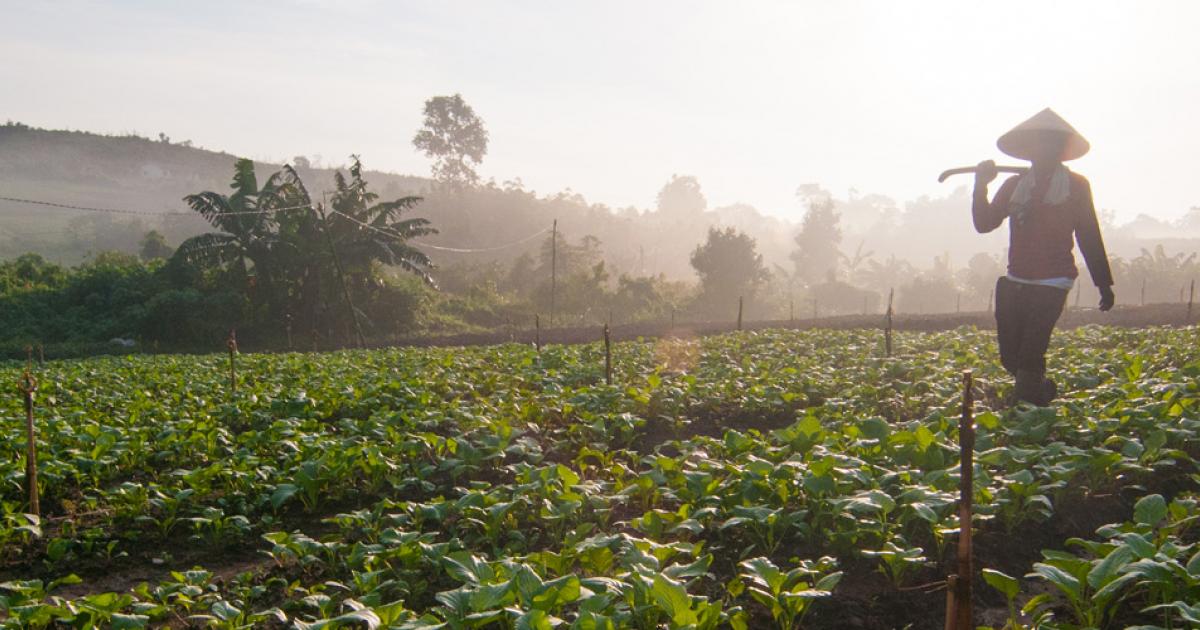
In about half the cases where numbers of insects plummeted, researchers found climate change and habitat loss from big agricultural operations magnifying each other. In more than a quarter of the cases of biodiversity loss, meaning fewer species, the same dynamic was at work.
“We know insects are under threat. We’re now getting a much bigger handle on what they are threatened by and how much,” said study author Charlotte Outhwaite, an ecologist at the University College of London.
“In this case, the habitat loss and climate change can often be worse than if they were acting on their own, as one can make the impact of the other worse and vice versa,” Outhwaite said. “We’re missing part of the picture if we are only looking at these things individually.”
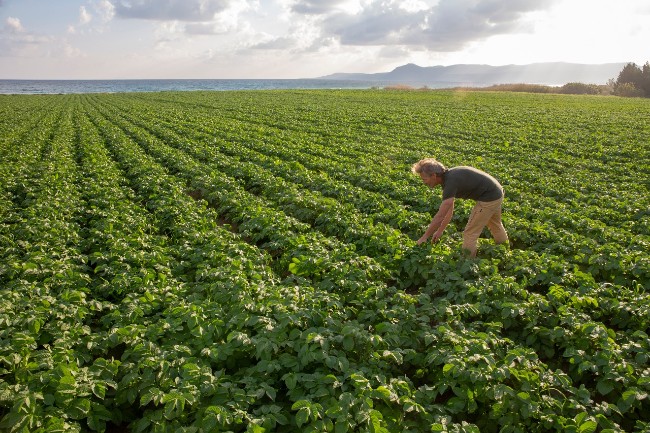
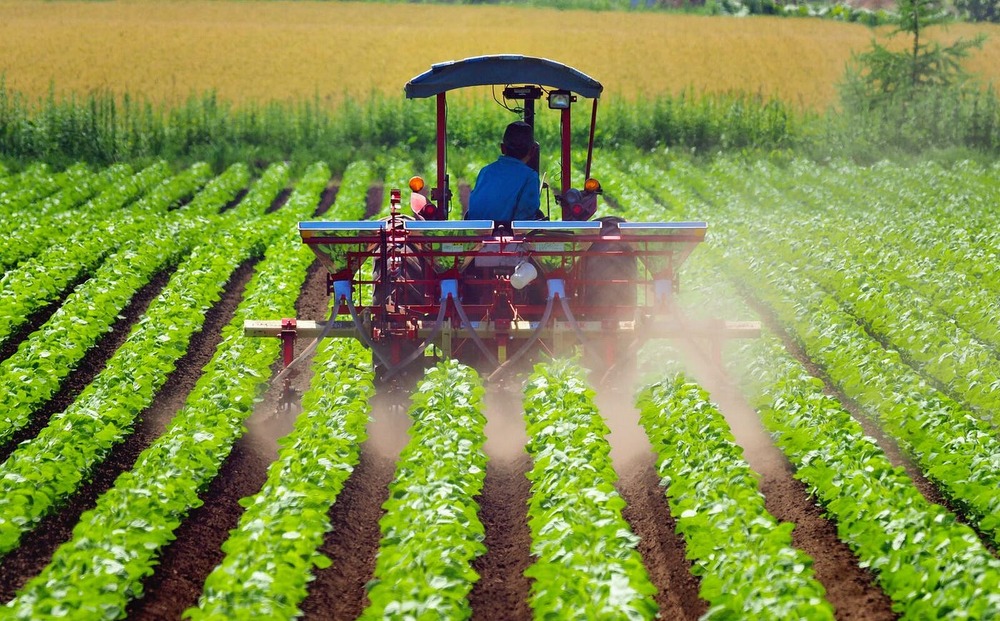
For example, monoculture agriculture often reduces tree shading, making it hotter in a given spot. On top of that comes climate change, she said. Then insects that need heat relief or need to move north for cooler climates can run into problems with lack of proper habitat from large farms.
It’s especially a problem in countries like Indonesia and Brazil, where forests are being cleared and temperatures are heating up higher than other parts of the globe, Outhwaite said.
That’s hard on insects like the pesky midge.
“Cocoa is pollinated primarily by midges and people don’t like midges. You know they’re the annoying ones that bite you, they pester you at picnics,” Outhwaite said. “But if you like chocolate you should be appreciative because without them we would have a lot less cocoa.”
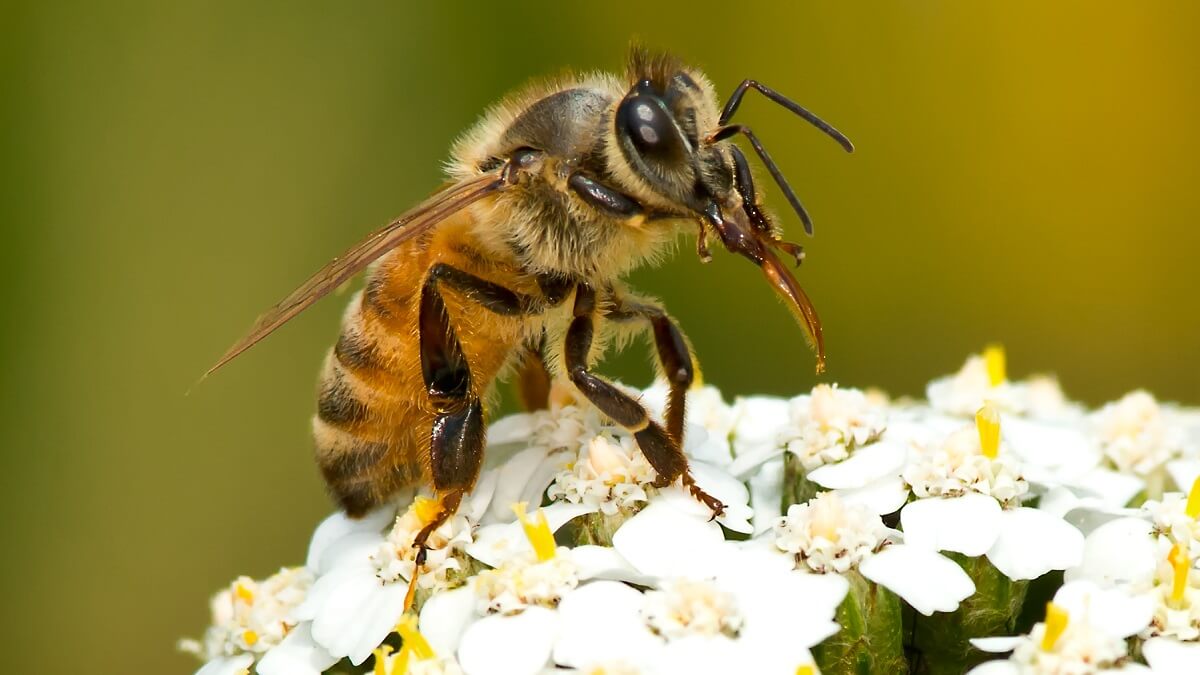
The same can be said about bees, which are having a hard time with warming from climate change and single-crop farming, Outhwaite said.
Insect pollinators are responsible for about one-third of the human diet, according to the U.S. Department of Agriculture. And 2 out of 5 species of invertebrate pollinators, such as bees and butterflies, are on the path toward extinction, a 2016 United Nations science report said.
What makes this study important is that it’s the first to link climate change and industrialized agriculture together in explaining harm to insects, said University of Connecticut entomologist David Wagner, who wasn’t part of the study.
Because the study used so many different samples and species and looked around the world, that gives its findings more credibility, Wagner said.
Source - https://www.journalpatriot.com