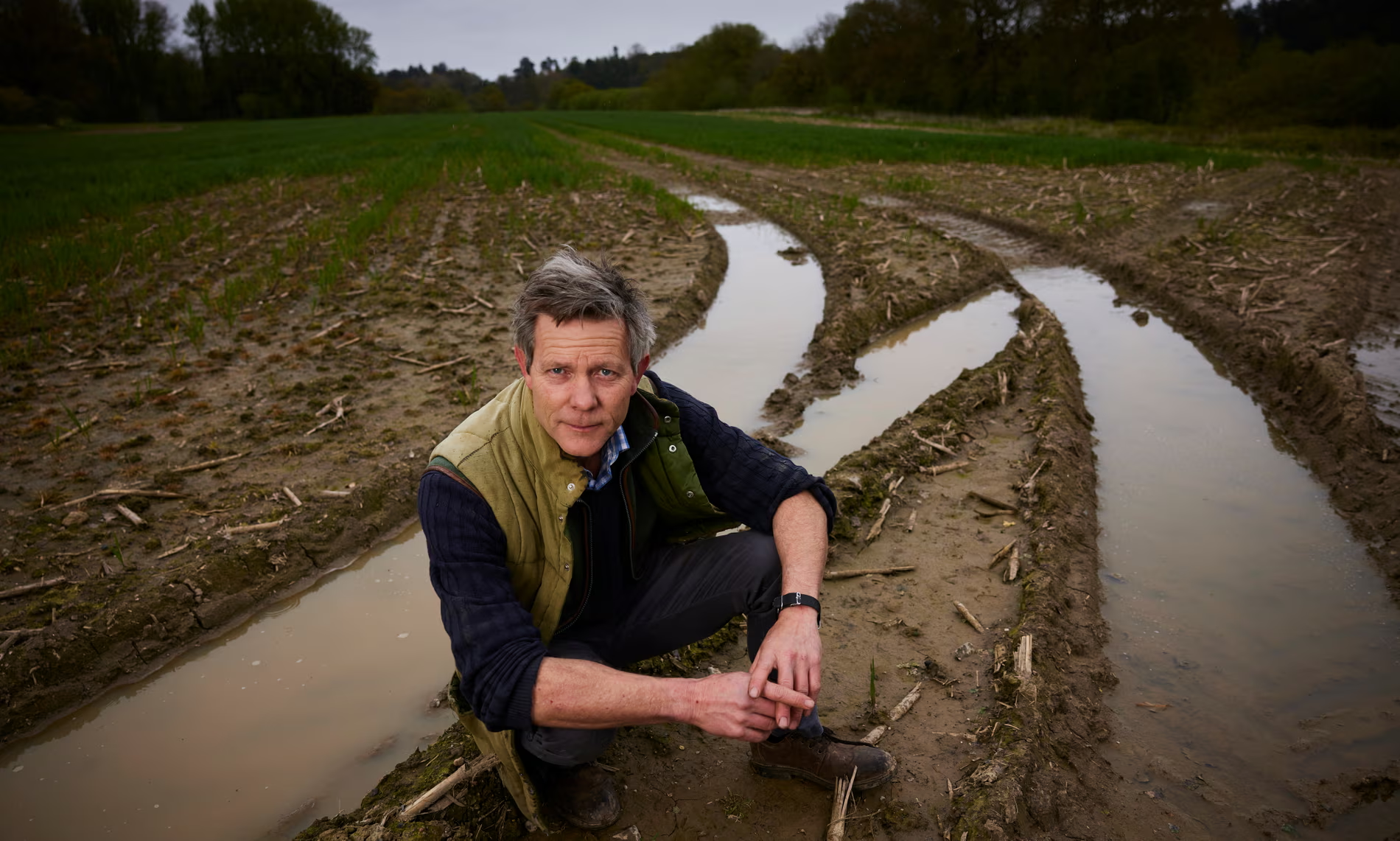
With his farm almost entirely surrounded by the banks of the River Severn in north Shropshire, Ed Tate is used to flooding on his land – but this year, the sheer level of rainfall is the worst he has ever seen.
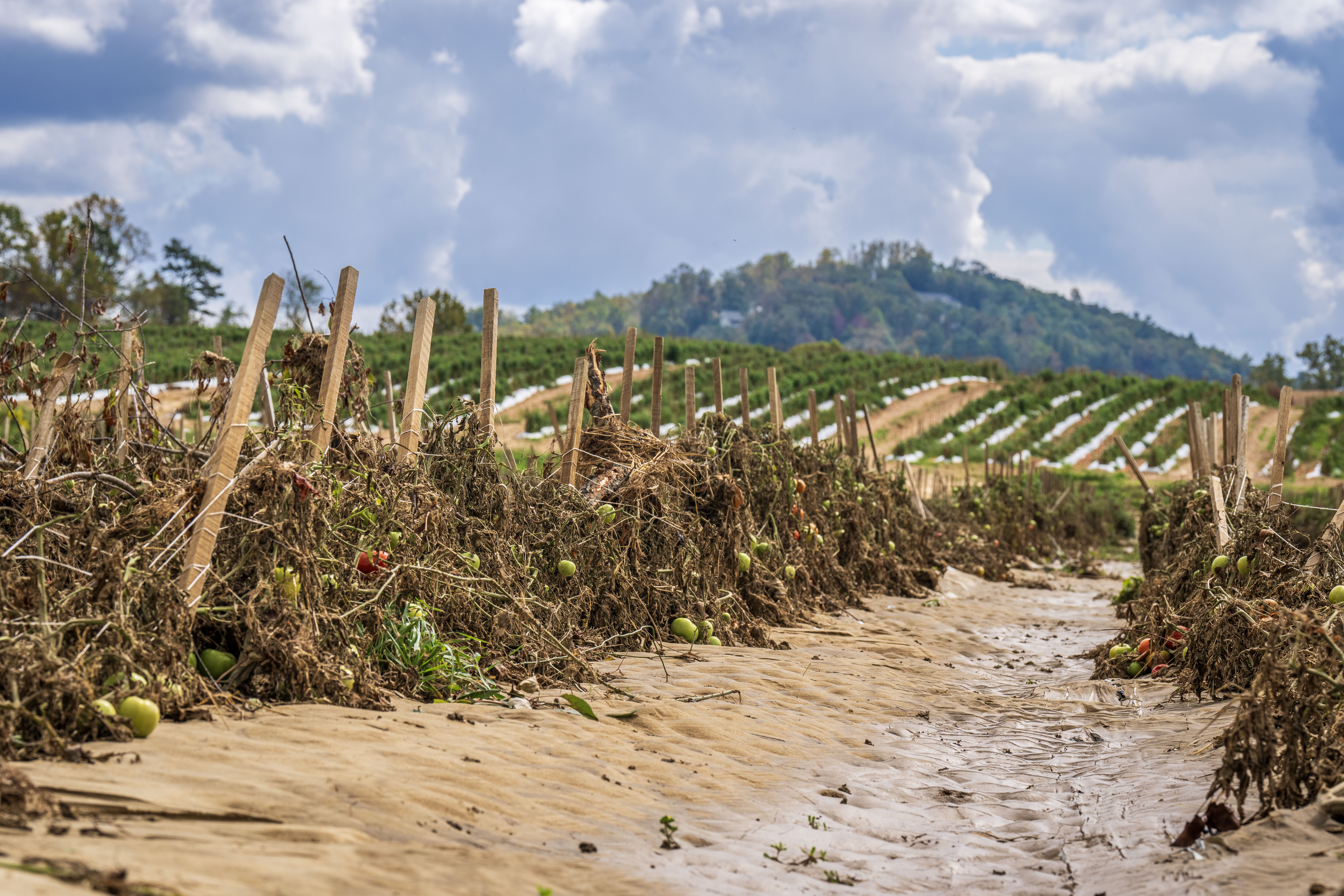
He points to a field where about 20% of wheat crops have failed as they have been covered with rainwater that has pooled in muddy puddles, in areas that would usually be a sea of green by now.
Over the hill, he struggles to drive his off-road vehicle through boggy fields saturated with water while the rain continues to fall around him.
“I think in living memory this is the worst winter we’ve had, just because of the duration of wet weather we’ve seen, and we’ve got a lot of failing crops,” said Tate, who has been running his 800-acre mixed arable and livestock farm just outside Shrewsbury for about 20 years.
“We’re losing tens of thousands of pounds and there’s just no support. It does mean we’re going to have to look at redundancies on the farm, unfortunately. With some crops we might break even. But for other farms, this could tip them over the edge.”
Met Office data shows that from October 2022 to March 2024, England was hit by the highest amount of rain for any 18-month period since records began in 1836.
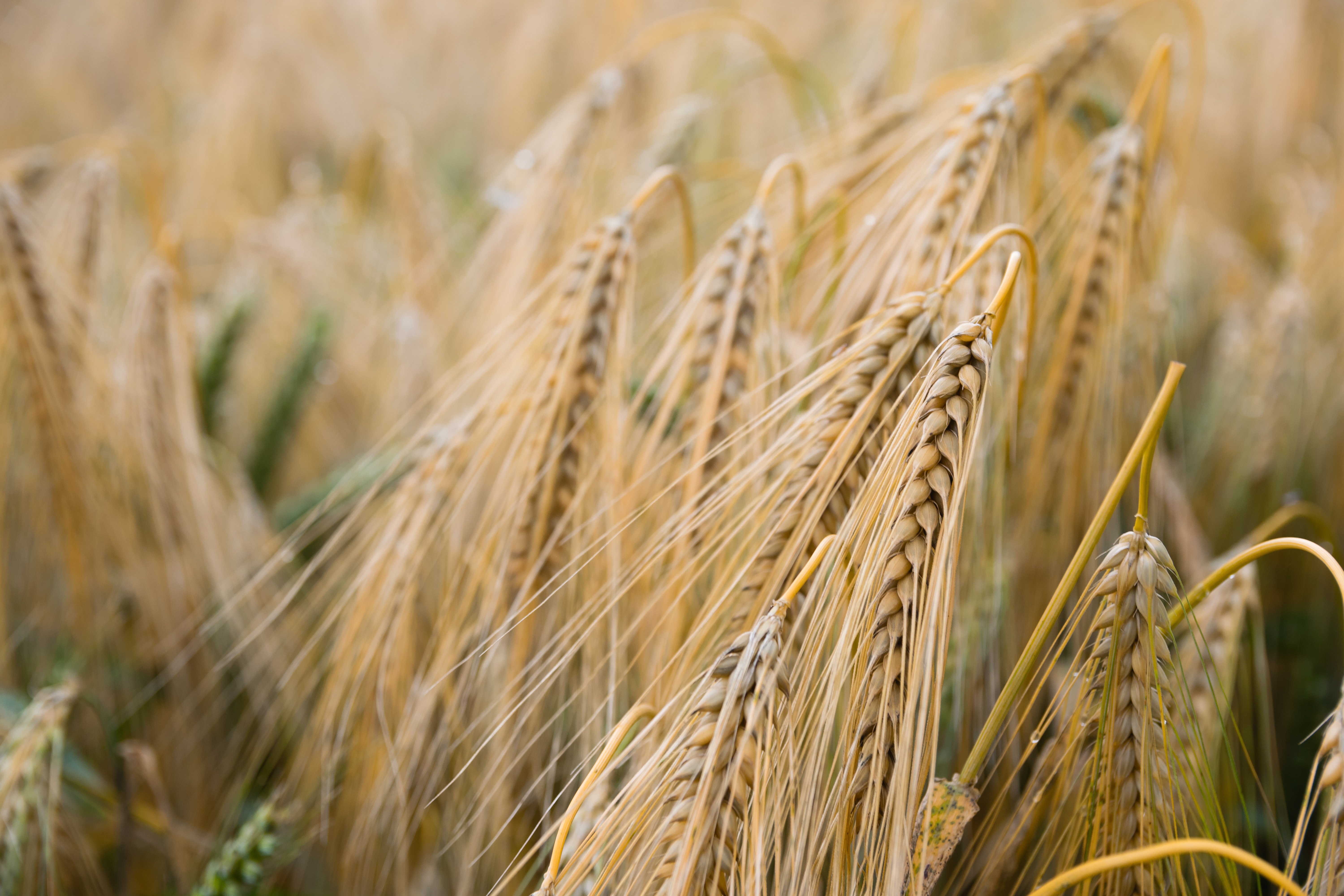
Some farm crops have been completely wiped out, while many others have drastically reduced yields. The Agriculture and Horticulture Development Board has predicted this year’s wheat yields will be down 15%, winter barley down 22% and oilseed rape down 28%, the biggest drop since the 1980s.
“I don’t want to work out the numbers really. We’ve lost tens of thousands, if not hundreds of thousands, of pounds off our income,” said Rory Lay, who works on his family’s 1,200-acre arable, beef and sheep farm north of Shrewsbury.
“It has been relentless this winter, my waterproofs are worn out. It’s never nice, just trudging around in the rain – that mental aspect has been pretty hard on people this year and it’s still really, really wet.
“My dad is at retirement age, and even he doesn’t remember having this much crop loss, bare fields and just water everywhere.”
Like many farmers, Lay has been checking the weather forecast constantly, desperately hoping for a letup in the wet conditions. “It has even got to the silly point where you’re all comparing weather apps and looking for the slightest difference to give you some hope,” he said.
Last week the government opened a farming recovery fund scheme to help farmers recuperate from the effects of flooding from Storm Henk in January. But many areas, including low-lying north Shropshire, which is particularly vulnerable to wet weather, were not covered as they were not one of the worst-affected areas in that storm.
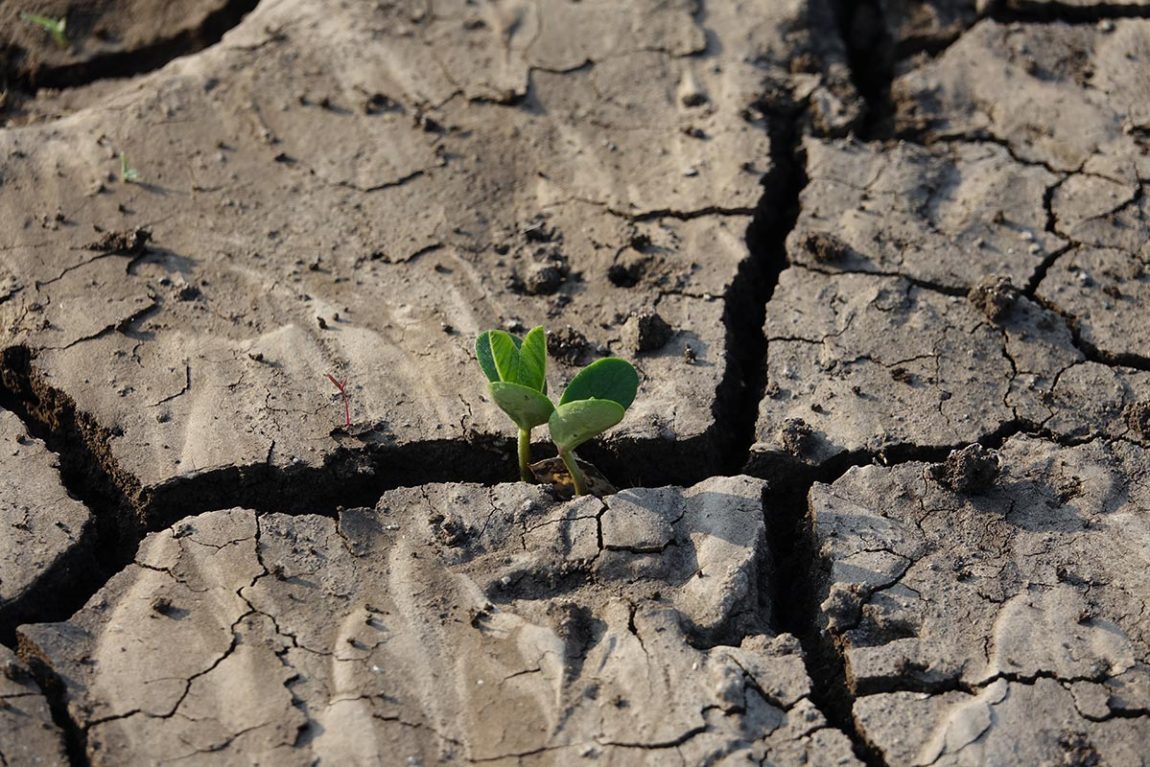
Most of the crops Lay planted in autumn have rotted in the wet conditions, and he has been desperately trying to replant so he can salvage his harvest. But the sodden soil is still too compacted to drill, leaving messy tracks in the fields where he has attempted to plant before giving up.
“I’m doing more of a mess trying to alleviate the problem because it’s still too wet. I’m trying to have that patience but we’re against that ticking clock,” he said.
“I’ve got some fields where the whole crop has gone, and my yield is dropping every single day. Another week and there will probably be no point. It’ll cost as much to plant it and harvest it as what we get off it. We are looking at a very tough 18 months ahead of us where we are going to have very low returns, because we literally just have very little to sell.”
The Lib Dem MP for North Shropshire, Helen Morgan, said the impact of rain had been devastating across the industry.
“You can probably afford to have a poor winter drill crop, but you can’t afford to have a poor summer one as well. Farmers are struggling,” she said. “If we don’t get a bit of luck in the next couple of weeks or so, we’re going to get a really, really difficult harvest.”
She said longer-term government support to help farmers combat heavy rainfall and flooding was essential, including incentives to support farmers who allow their fields to flood in order to prevent flooding farther downstream.
But in the absence of financial help, most farms are in a race against time to plant in time for the summer harvest. Over at Lynn South farm, in the east of the county, all hands are on deck to get potatoes in the ground as the soil slowly dries out.
The farm’s income comes from its arable planting – potatoes and wheat – as well as its flower fields which are harvested for wedding confetti and opened up to the public in summer for events.
“Everything is late – the potatoes are late, the wheat is late and the flowers are late to go in. If we can’t get planted in the next week or two weeks, it’s not going to work,” said Ashley Evers-Swindell, who helps run the farm’s flower business, Shropshire Petals. “To say it’s been stressful is an understatement.
“Our loss of yield right now could be between 10 and 15%, and we’ve already lost about £80,000 from our potatoes just because we’re planting late. In every field, there’s probably about an acre of waterlogged ground that we’ll lose.”
Kate Mayne, who runs the local National Farmers’ Union farmers group, said people had been spreading fields at her family farm outside Shrewsbury at 2am when a clear weather window finally appeared.
“There’s a huge backup of work at the moment, so when you can get out and do it, you have to go for it,” she said. “The rain has just been absolutely mind blowing, we haven’t had any rest from it, and the implications are massive.
“It’s pretty horrendous for a lot of farmers out there.”
Source - https://www.theguardian.com