The UK is set to face food shortages and price increases as severe weather associated with climate change causes low yields on farms both locally and internationally.
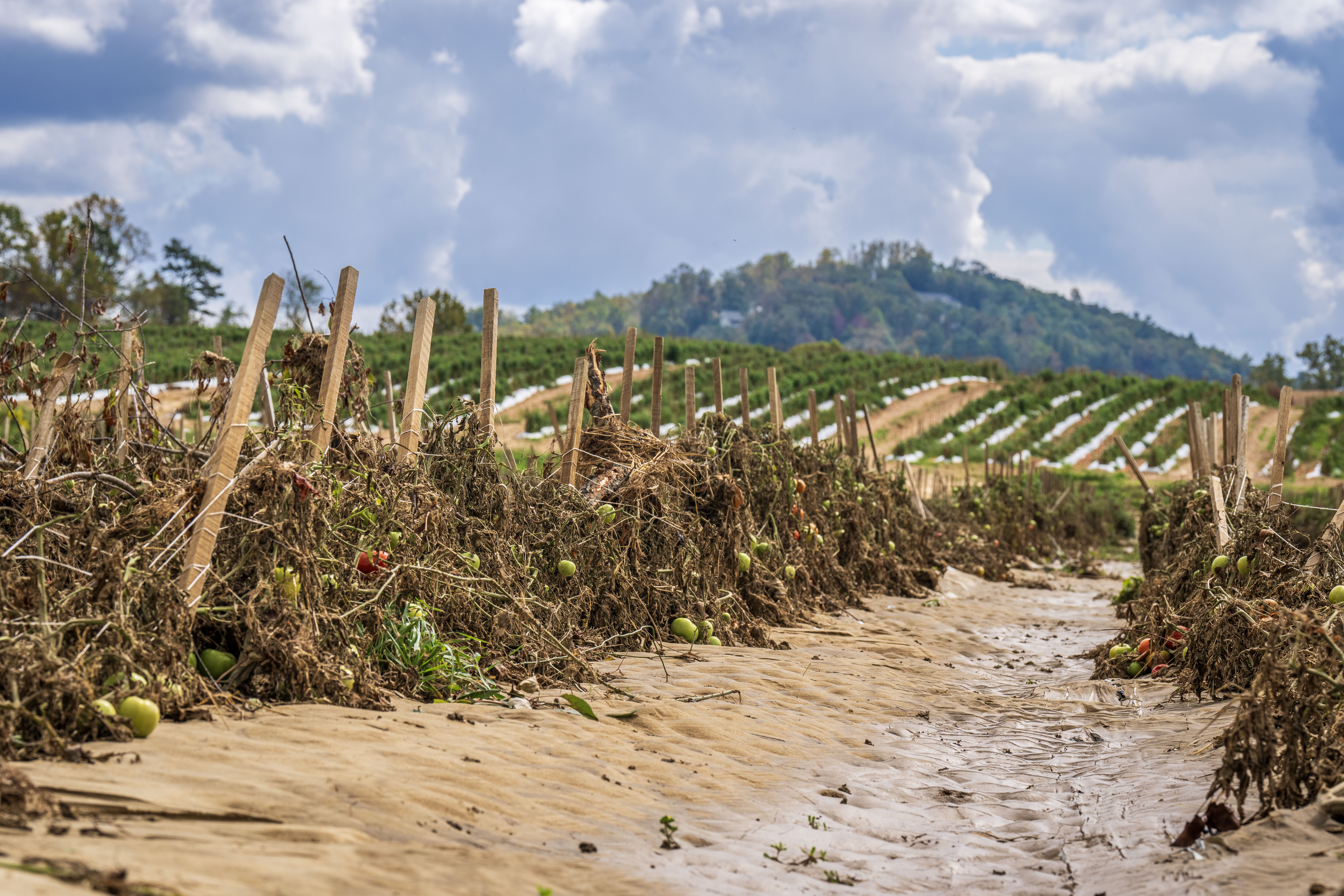
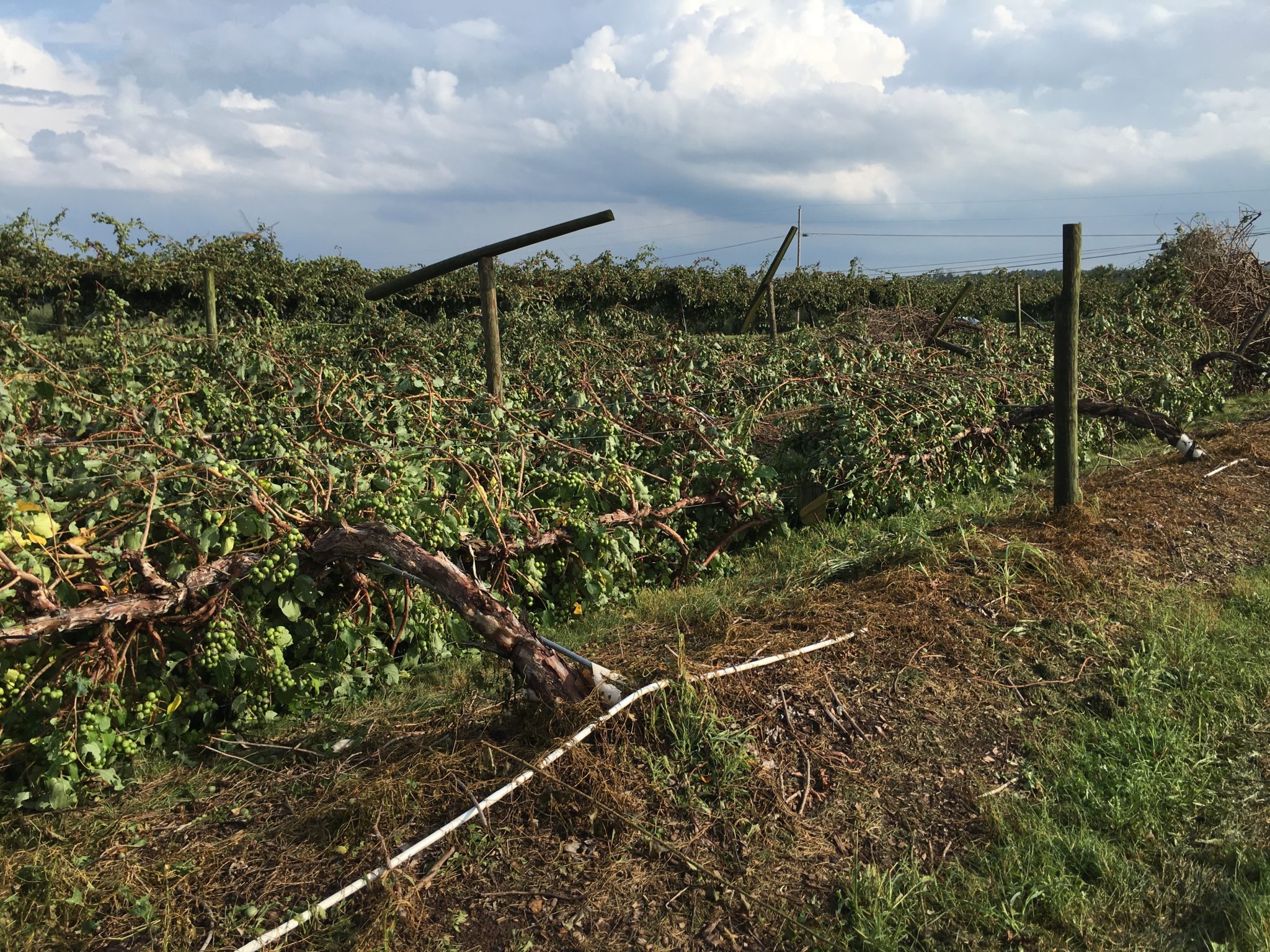
Farmers in several regions of the United Kingdom have been unable to grow crops including potatoes, wheat, and vegetables throughout the crucial spring season due to record rains. The crops that have been sown are of lower quality, with some decaying in the soil.
The ongoing rainy weather has also resulted in a high death rate for lambs on the UK's hills, and some dairy cows have been unable to be moved out onto grass, resulting in less milk production.
Agricultural groups have stated that the UK will become increasingly dependant on imports; however, comparable wet weather in European countries such as France and Germany, along with the drought in Morocco, may result in less food to import.
Economists have cautioned that this could lead to increased food inflation and higher shop prices.
Tom Bradshaw, president of the National Farmers' Union, said markets had "collapsed" as farmers failed to produce food under the harsh conditions.
He remarked: “We’re going to be importing a lot more product this year.”
One prominent retailer said that the wholesale cost of potatoes had risen by 60% year on year since the majority of the crops had withered in the ground.
Potato supplies have also been impacted by a 10% reduction in area planted last year as farmers transitioned to less weather-dependent and more financially secure crops. Industry insiders predicted a further 5% drop in planting this year.Jack Ward, CEO of the British Growers Association, declared: "There is a concern that we won't have the volumes [of potatoes] we had in the past in the future."
He stated wholesale prices were too low for farmers to produce enough cash to deal with expensive fuel, labour, and machinery costs, as well as the repercussions of climate change. “We are not in a good position and it is 100% not sustainable,” he added.
Supplies of parsnips and carrots which have been left in the ground and are therefore affected by damp soils, are also significantly lower than usual, driving up prices.
Scientists Warn of Impending Food Shortages as Climate-Driven Crop Damage Imperils Supply Chains
Martin Lines, the chief executive of Nature Friendly Farming Network, remarked: “The impact in the UK this year will significantly affect potatoes and the salad crop. Farmers are already facing delays in planting, with many fields in poor condition. If planting occurs at all, it will likely be late, potentially leading to a shortage of root vegetables and potatoes this coming winter.
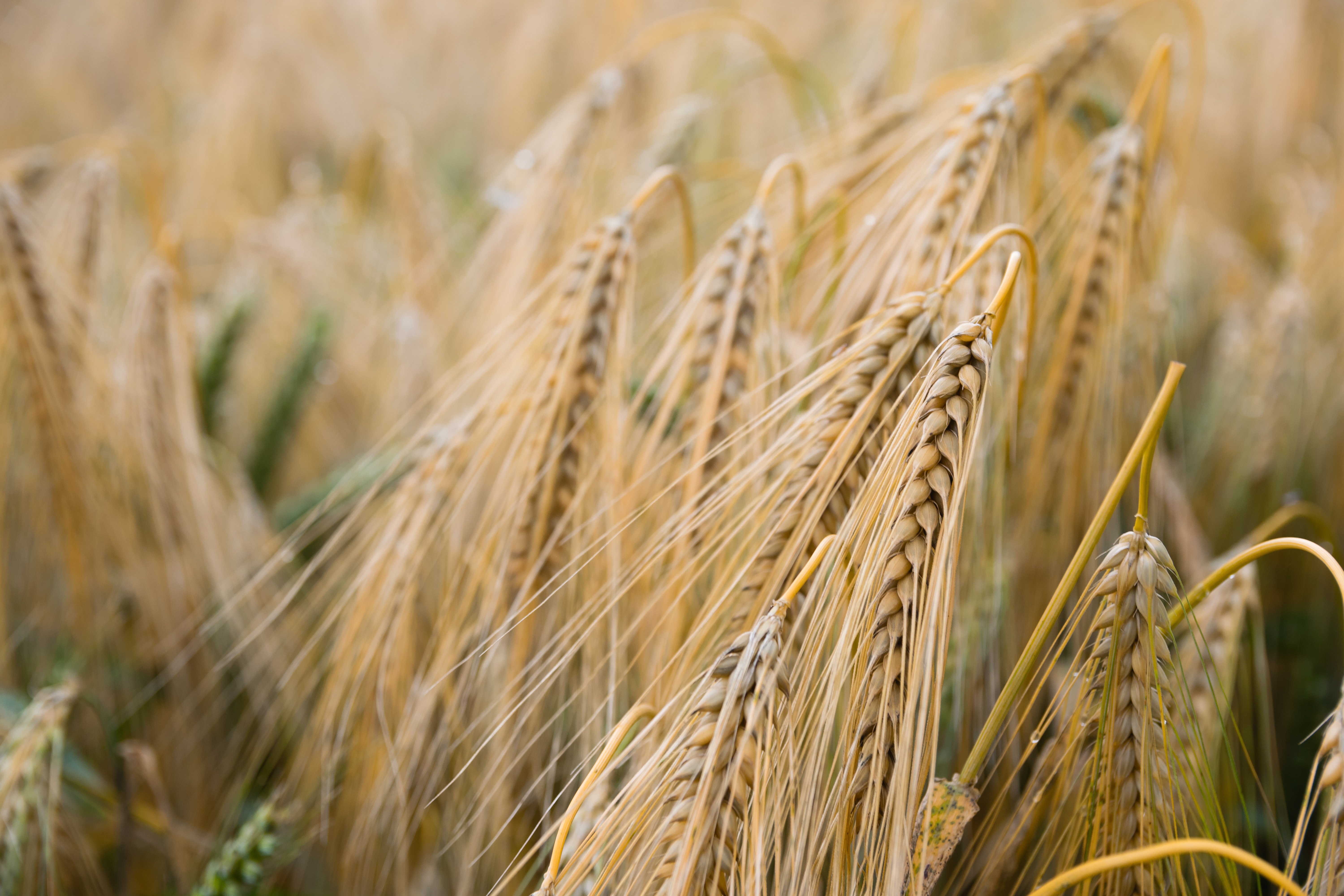
“Some farmers have ceased planning for planting altogether, opting instead to put fields into fallow or switch to alternative crops. This could also result in shortages of wheat, barley and pulses as it’s currently unprofitable to grow these due to the lateness of the season and low forecasted prices.”
While shops frequently rely on imports to cover gaps on shelves, farmers throughout Europe are having a similar challenging start to the year, with challenges producing winter crops and growing spring crops.
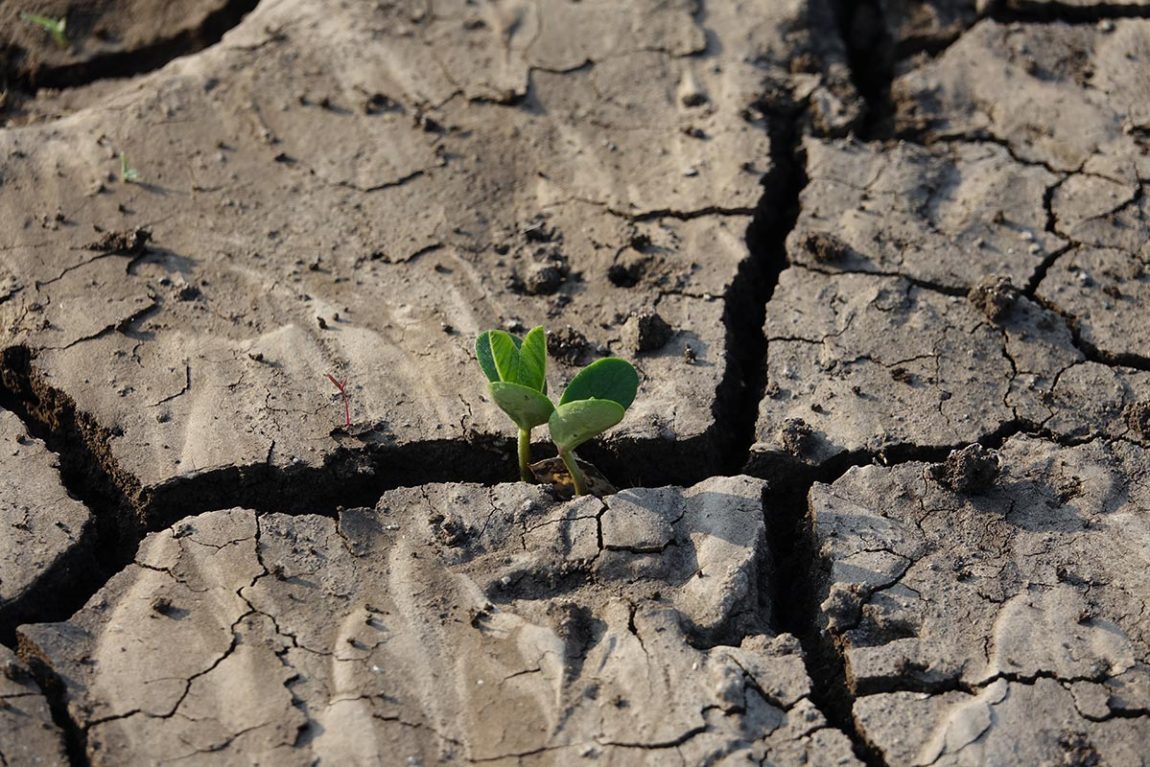
France is off to the worst start to its wheat-growing season since 2020, thanks to cold, wet weather, while Morocco's fruit and vegetable production is hampered by drought. Morocco's second-largest reservoir has completely dried up, making irrigating crops impossible.
According to Amber Sawyer, an analyst at the Energy and Climate Intelligence Unit, Morocco supplied over one-third of the UK's tomatoes and more than two-thirds of its raspberries and Brussels sprouts last year.
“As climate change worsens, the threat to our food supply chains – both at home and overseas – will grow,” Sawyer said.
Scientists have warned that this is only the beginning of climate-related shocks to the food supply chain, and that the current system is unsustainable unless quick action is taken to reduce emissions by quitting to burn fossil fuels.
Source - https://en.econostrum.info