he UN Conference on Trade and Development (UNCTAD) is helping developing countries adopt satellite technology to make farming more climate resilient. Agricultural adaptation to new technologies is seen as crucial to minimizing crop loss and global hunger, with extreme weather events becoming more intense and frequent.
This month, participants from 11 developing countries across Africa and the Middle East participated in capacity-building activities in Mauritius as part of the UNCTAD-led Crop Watch innovation cooperation program.
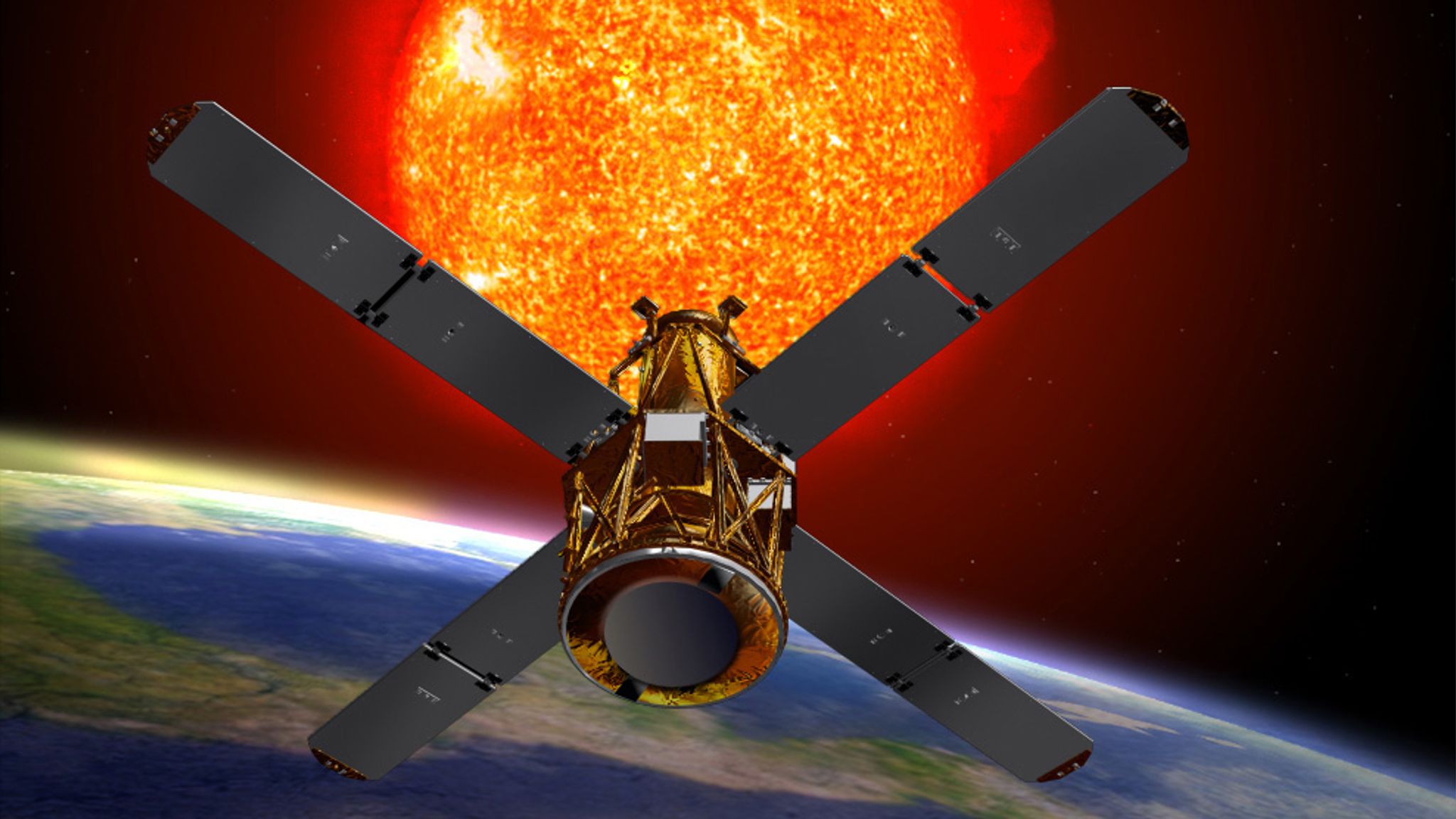
Crop Watch uses Earth observation satellite systems and other climate-related data on drought, pests and diseases to monitor crop conditions and improve farm management. Countries can customize the technology to local conditions.
“By leveraging the power of science and technology, we can navigate these challenging times and fortify our nation against the uncertainties of a rapidly changing world,” says Mauritius’ vice prime minister Leela Devi Dookun-Luchoomun, who also leads the country’s education, science and technology ministry.
Yesterday, we explored how many ingredient suppliers are embracing satellite-based solutions and supporting smallholder farmers in developing countries as Europe prepares for the new EU Deforestation Regulation.
South-South tech transfer
The Crop Watch was launched in 2021 as a joint endeavor by the UN Commission on Science and Technology for Development (CSTD), the Chinese Academy of Sciences and the Alliance of International Science Organizations (ANSO) – a non-profit and non-governmental entity.
The program leans on the power of South-South cooperation (the technical cooperation among developing countries in the Global South) to help more developing nations – often confronted with similar technology deficits and financial constraints – tap into satellite-based solutions for agricultural transformation.
Professor Chunli Bai, president of ANSO, argues the program is effective because, as the Chinese saying goes, “it is always better to give a man a fishing rod than a few fish.”
The Crop Watch program has so far equipped 11 Asian and African countries with the skills and knowledge to adapt the Crop Watch system to specific local requirements, paving the way for better planning of crop import or export needs, more effective early warning mechanisms and in some cases quicker assessments of crop damage after a disaster to get assistance to affected farmers.
Among the participating nations, Cameroon, Ghana, Lebanon and Zimbabwe are new to the program. They joined in March 2023 after learning about Crop Watch at the CSTD’s 26th annual session.
Shamika Sirimanne, director of technology and logistics at UNCTAD, comments: “Successful implementation of Crop Watch will enable countries to make data-driven policy decisions, bolstering climate-resilient agricultural development in the long term.”
Practical training
The recent Crop Watch workshop brought together policymakers and technical experts from Algeria, Cameroon, Ghana, Kenya, Lebanon, Malawi, Mauritius, Nigeria, Syria, Zambia and Zimbabwe.
Besides case studies and country profiling sessions, the workshop featured a full day of field visits and practical exercises at local plantations where Crop Watch is in action for precision farming. Its site-specific crop management draws on insights from high-technology sensors and analysis tools.
Participants practiced using the application’s global positioning, video and geographic information systems to collect crop sample information. They also learned to harness geolocation data to strategically manage irrigation duration and scheduling, which is highly useful in Mauritius, where agriculture accounts for 30% of water use.
According to Jane Nzisa Kioko, head of Kenyan national food crops statistics, this part of the training was especially relevant for her country. Due to five consecutive failed rainy seasons, Kenya has felt the impacts of the severe drought gripping the Horn of Africa since 2020.
In such a challenging context, Kioko says tools like Crop Watch will help optimize irrigation efforts for her country’s mostly rainfed crops.
Source - https://www.foodingredientsfirst.com