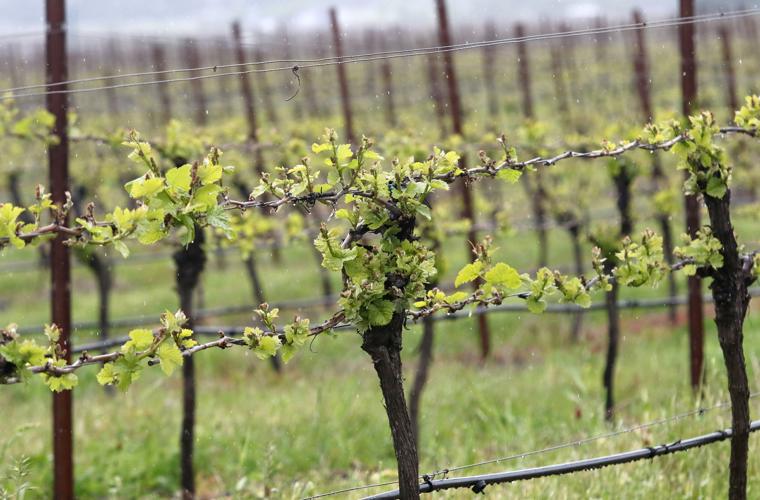
An unusually wet and cold April has taken its toll on many crops in Douglas County, specifically on the dozens of vineyards in the region.
With the combination of nearly five inches of rain in April and an extended cold snap which held dew points below 30 degrees, the agriculture industry in the county is stuck in a holding pattern.
“To be honest, pull a guess out of your fanny,” said Wayne Parker of Melrose Vineyards. “If we do turn to hot and humid instead of this cold stuff ... the damage from this freeze just froze the (first) buds off.
“If we could produce 4 tons per acre in a normal year, we’re looking at maybe 1 1/2-2 tons right now.”
The cold snap couldn’t have happened at a worse time for the agriculture industry, whether it be vineyards, orchards, or even the backyard green thumbs who are anxious to plant their tomatoes.
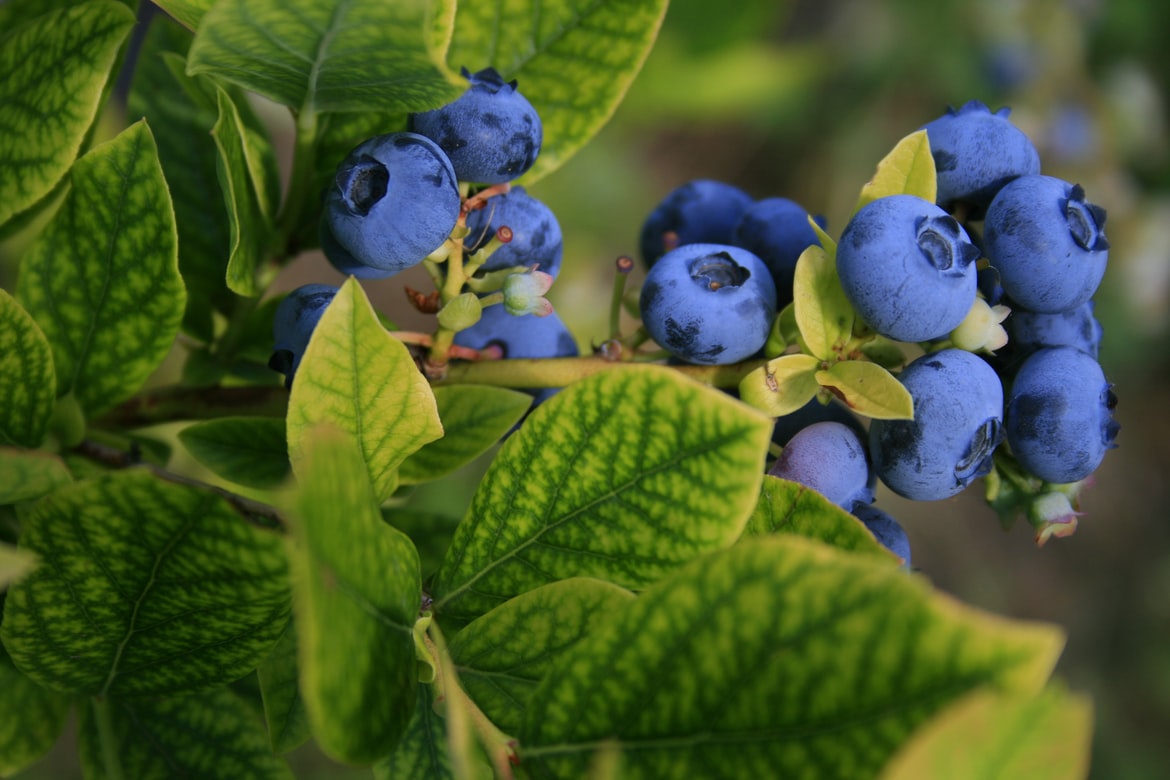
“It’s been a rough few years for farming in general,” Logan Bennett of the Oregon State University Extension Office said. “In terms of ‘permanent’ crops like blueberries and wine grapes, it’s been hard for sure.”
After several springs of moderate temperatures and minimal rain, 2022 has flipped the script on what had become a traditional growing season.
Parker said that at Melrose Vineyards, their first batch of buds began to blossom just as a cold front dropped overnight temperatures into the low 30s and even into the 20s.
“That freeze was a phenomenal event,” Parker said. “It could be devastating if you only relied totally on your crop.”
The growing season got another monkey wrench with abnormally warm days which sparked an early blossoming process for many crops, only to have that growth stunted in less than a month.
“When the heat goes up that fast, you have to prepare for it, but you are still likely going to see some damage,” Bennett said of the 70- and 80-degree days the Umpqua Basin saw before the extreme overnight lows. “Any time you get a freeze during a flowering, you run into a danger of crop loss.”
Parker said that loss is what vintners throughout western Oregon and northern California are preparing for, waiting for their second bloom to pick up the slack after the first bloom was essentially killed off due to the high moisture and cold temperatures.
“It’s a Catch-22,” Parker said of the anticipated second budding on the vines. “What we’re waiting for is to see what develops and what we can take off. It’s a crap-shoot, and we really won’t know anything for another three weeks.
“It’s up to God and the weather to show us what kind of fruit we’re going to have.”
Source - https://www.nrtoday.com