USA - 2023 was the second hottest year on record for Atlanta

05.01.2024 799 views

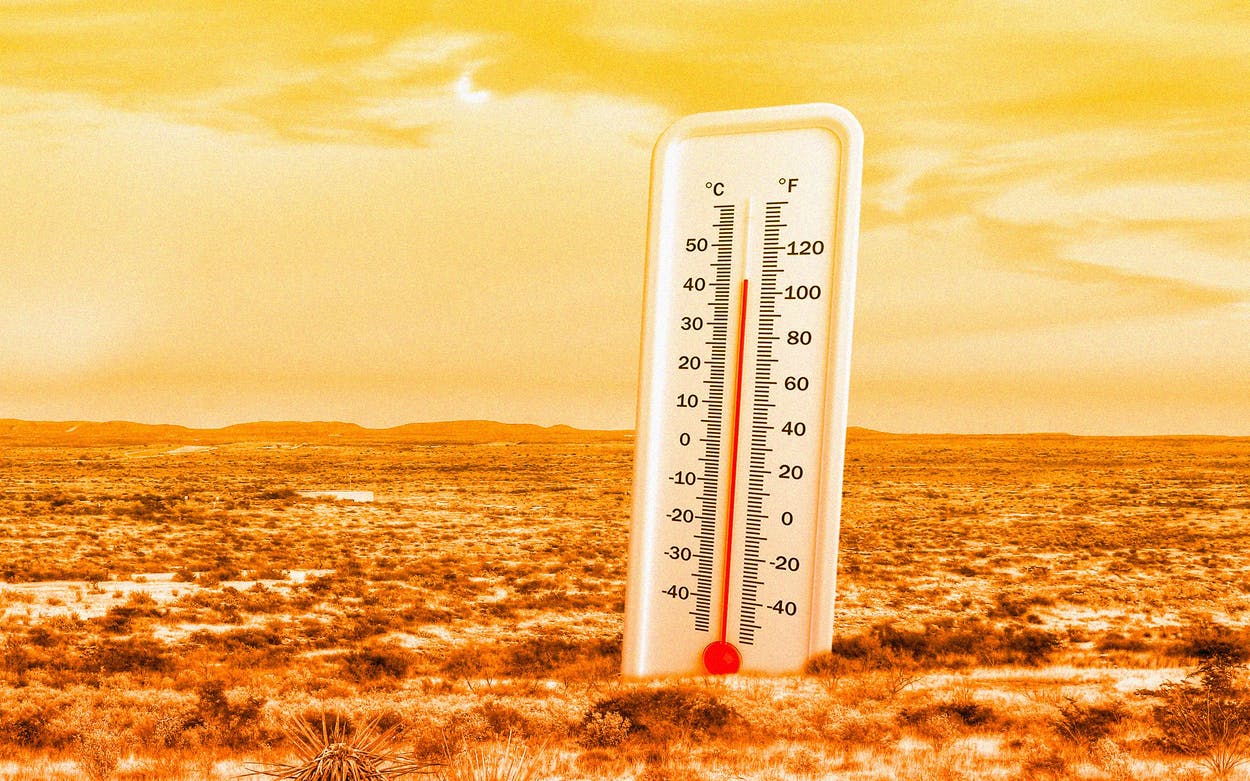
Atlanta had its second warmest year on record in 2023, according to Georgia’s state climatology office. 

The average temperature, which takes into account all the highs and lows, was 65.9 degrees. The only hotter average annual temperature was in 2019, when it was 66.2 degrees. 

Deputy State Climatologist Nyasha Dunkley said that’s fairly warm for the state. She noted that 2023 was also the second warmest for low temperatures, meaning that nights did not cool off as much. 

The National Centers for Environmental Information, a government office under the National Oceanic and Atmospheric Administration, is set to release the climate statistics for December 2022 on January 9, 2024, so the agency and experts like Dunkley can create statewide rankings and analyses. 

Part of the state climatologists’ office duties also includes air quality forecasting, and Dunkley said the summer of 2023 was notable due to the wildfire smoke blowing down from Canada. She and her colleagues forecast for ozone and particulate matter, which are fine, tiny particles of pollution that can lodge in human lungs and cause health problems. 

“We’ve had quite a few as far as high particulate matter days from the smoke that was transported down here from the Canadian wildfires and a few ozone days as well,” Dunkley said. 

Looking forward, Dunkley said that the ongoing drought conditions marked much of the end of 2023 but are starting to ease up. While fall months like October, November and December tend to be drier, she said several parts of the state — particularly in the northwest corner — were in increasingly worsening drought conditions with below average rainfall. While many parts of Georgia stayed in moderate droughts, some counties experienced extreme and exceptional drought conditions. Those conditions can indicate crop loss, fire risk and water shortages.

“It was not a record breaking dry year, but was just a deficit of about nine, almost nine and a half inches deficit,” Dunkley said. The last extreme and exceptional droughts were in 2019 and 2016.

She said the droughts are starting to ease up with recent rain and long-range forecasting is predicting that January and February will bring more rain to continue that trend. 

Source - https://www.wabe.org

02.09.2026

Philippines - Bayambang declares state of calamity over P31-M agricultural losses

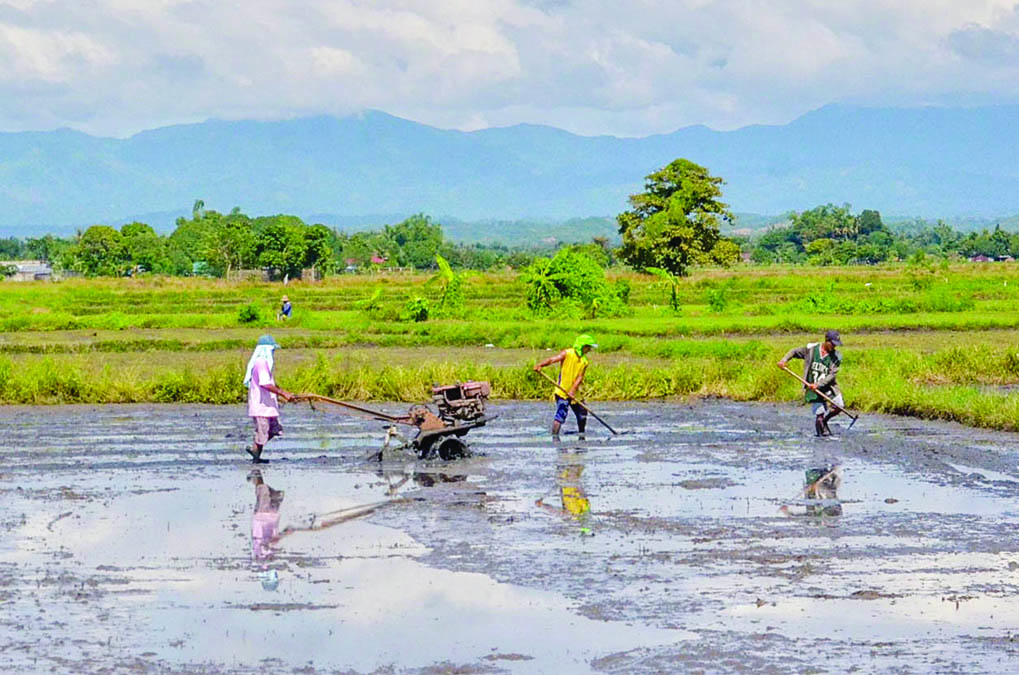
The municipal council of Bayambang has placed the town under a state of calamity after Tropical Storms “Luis” and “Maymay” and the enhanced southwest monsoon, or habagat, caused more than P31 million in agricultural losses.

02.09.2026

USA - Lynndyl farmers assess crop losses after 100 mph winds and hail

Farmers in and around Lynndyl are beginning to assess severe losses after a powerful weekend storm ripped through fields with destructive winds and hail just as some crops were nearing harvest.

02.09.2026

USA - New Insurance for Breeding Heifers

New LRP Coverage Aims to Reduce the Risk of Retaining Heifers for Breeding.

02.09.2026

Corn's $6 Surprise Could Change the Profit Math for U.S. Farmers

Corn may already be worth more than the board suggests as farm payments and incentives add about 52¢ per bushel to producer revenue.

02.09.2026

Philippines - Iloilo turns over P10M for farm, fishery insurance

The Iloilo provincial government has turned over P10 million to the state-owned Philippine Crop Insurance Corp. (PCIC) to expand insurance protection for farmers and fisherfolk vulnerable to losses from El Niño, La Niña, typhoons, pest infestations and other calamities.

02.09.2026

India - AP sees 1,263% rise in non-loanee crop insurance

The State witnessed a remarkable 1,263% jump in non-loanee farmer registrations, with their participation rising from 2 lakh in the previous Kharif season to 25.26 lakh farmers this year.

01.09.2026

South Africa - Grain SA calls for affordable crop insurance as dry weather threatens Swartland wheat

Severe rainfall shortages threatening the Swartland wheat crop have highlighted the need for government support to make crop insurance affordable for dryland producers.

01.09.2026

USA - Florida farms face nation’s highest disaster loss rate

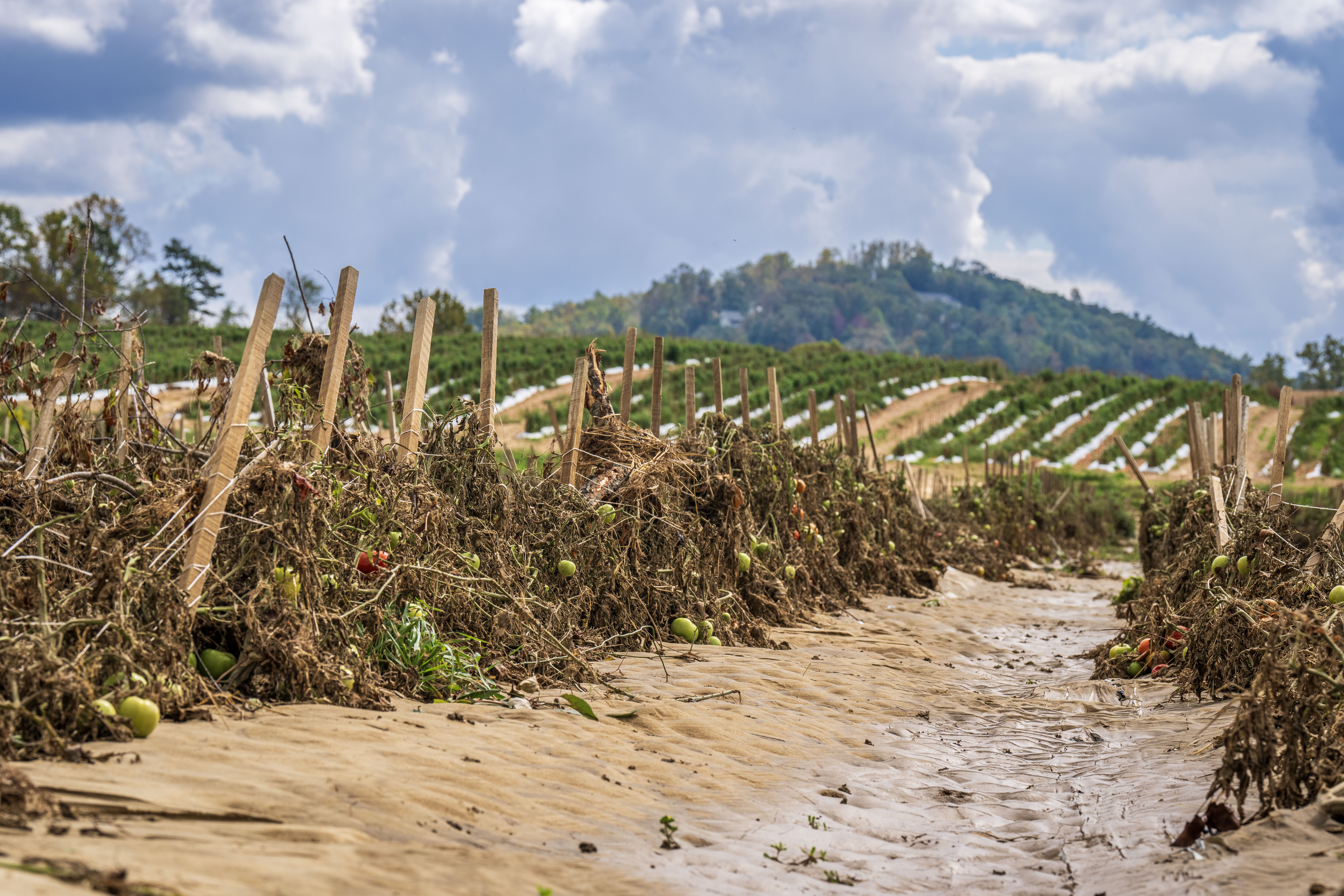
Natural disasters destroy billions of dollars in U.S. agricultural production each year. From drought and wildfires in the West to hail in the Midwest and hurricanes in the Southeast, farms lose an average of $5.1 billion in crops and livestock annually, according to the Federal Emergency Management Agency.