It's the latest blow to Florida's citrus industry, which has struggled for two decades with deadly citrus-greening disease.
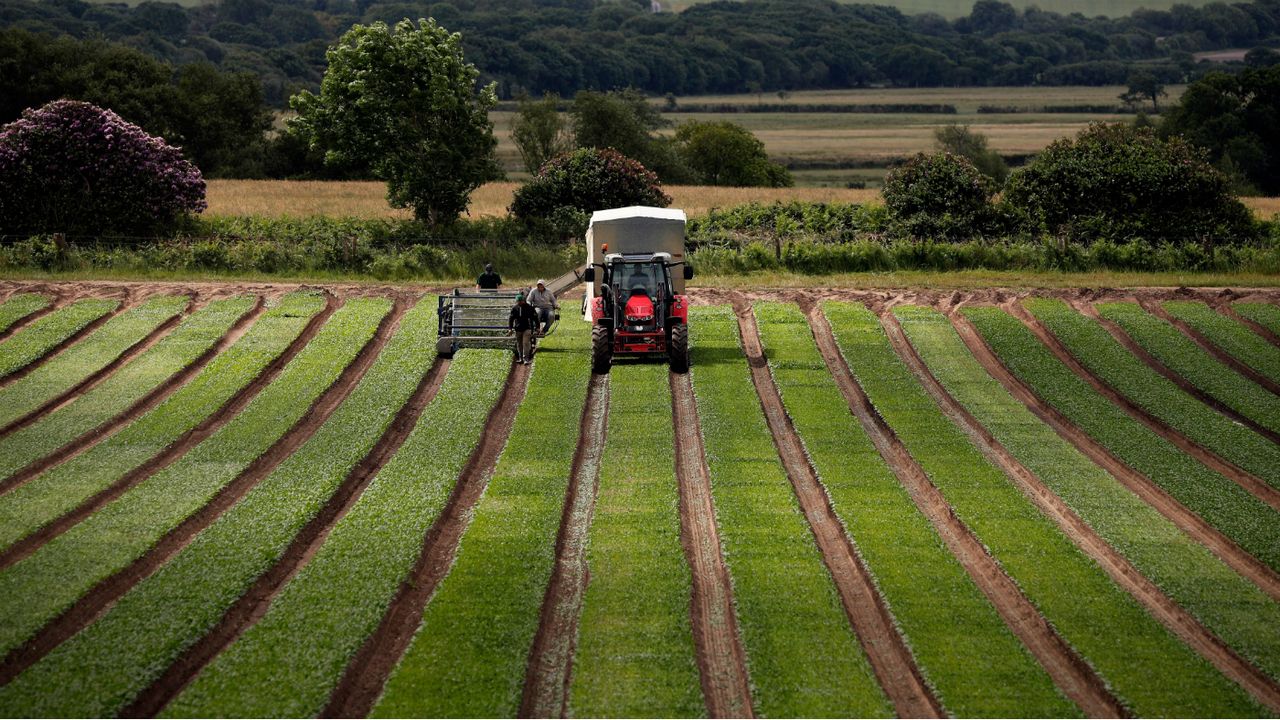
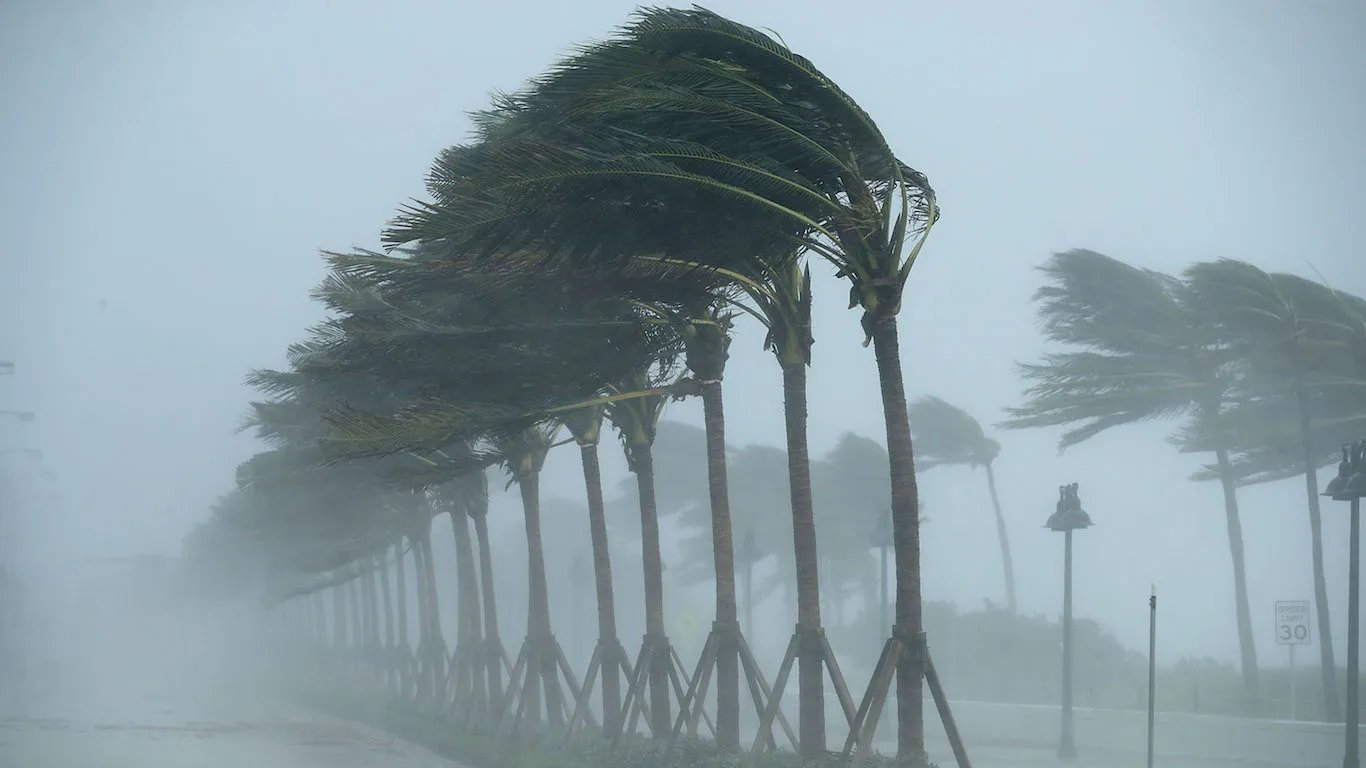
A soon-to-be-released report will estimate Florida’s agriculture industry sustained about $1.07 billion in damages from Hurricane Ian, with growers of citrus, vegetable and horticultural crops taking the biggest hits from the wind, rains and flooding.
But citrus growers think the estimate doesn’t show the full damage from the storm.
The pending report from the University of Florida-Institute of Food and Agricultural Sciences will fine-tune preliminary estimates issued days after the deadly Category 4 storm hit Southwest Florida on Sept. 28 and crossed the state.
Christa Court, director of the UF/IFAS Economic Impact Analysis Program, told members of the Senate Agriculture Committee on Tuesday that researchers have gained a better understanding from growers about what happened in fields since the initial estimates were released in early October.
“These climate-related disasters are the most destructive to agriculture. Agriculture is a seasonal activity,” Court said. “So, we really have to pay attention to what was in the field at the time of the particular disaster that we're looking at. And at what stage was it.”
The institute is set to report citrus damages at $247 million, horticultural crops at $227 million, vegetables and melons at $204.6 million, non-citrus fruits and tree nuts at $137.7 million, field and row crops at $130 million and livestock and animal products at $122.7 million.
The storm was the latest blow to the citrus industry, which has struggled for two decades with deadly citrus-greening disease, as well as Florida’s continued residential and commercial growth, foreign competition and changing drinking habits.
Shannon Shepp, executive director of the Department of Citrus, said the UF institute focused on fruit losses, rather than tree losses. She said the industry will seek between $387 million and $635 million in federal relief.
“We did have some significant tree loss. Upended. Certainly uprooted,” Shepp said. “Some folks are trying to stand them back up. We had baby trees that we’re trying to stake and keep them back in the ground.”
Estimated citrus production for the current growing season in Florida is a little more than 50 percent of last year’s crop, marking what would be the lowest output since the 1929-1930 season.
“When you've got like an eight-foot wall of water coming through your grove, it creates new nooks, crannies, paths and canals that you didn't have before,” Shepp said, describing what some growers experienced. “And so, not only is the fruit blown off the tree, you can't find the fruit. And sometimes you can't even find the tree. It's a big problem.”
Glenn Beck of Windermere-based Beck Brothers Citrus called growers resilient but cautioned the long-term outlook “isn’t sustainable” without further research to combat citrus greening and other continued assistance.
“If citrus goes away, there’s really no alternative crop or anything to replace that land,” Beck said. “We all pretty much know at this point it will be replaced with rooftops.”
For many growers, the full extent of the damage won’t be known until the crops come in, Court acknowledged.
“Several of these commodity groups, we'll have to wait until harvest time to determine what really happened,” Court said. “And again, that can vary widely by commodity and type of impact.”
“There are several crops where we are first to market,” Court added. “If delayed planting or having to go back and replant damaged crops affects that time to market, it could also affect the value of the crop. And again, we won't know that until harvest time.”
The updated estimate also will factor in the impacts of recent winter freezes on crops, Court said.
The UF institute initially estimated industry losses at $786.6 million to $1.56 billion. It estimated citrus losses, for example at $146.9 million to $304.3 million.
Roughly 63 percent of the agricultural land affected by the storm is used for grazing.
Court declined to agree with Sen. Jim Boyd, a Bradenton Republican who surmised it could take growers several years to recoup what was lost in the past year.
“It surprises me when we go out into the field, how quickly they can bounce back in terms of being operational again,” Court said. “But it'll depend on the crop as to how quickly.”
Source - https://wusfnews.wusf.usf.edu