USA - Above normal temperatures raise concerns about Illinois’ corn and soybean crops

27.07.2023 575 views

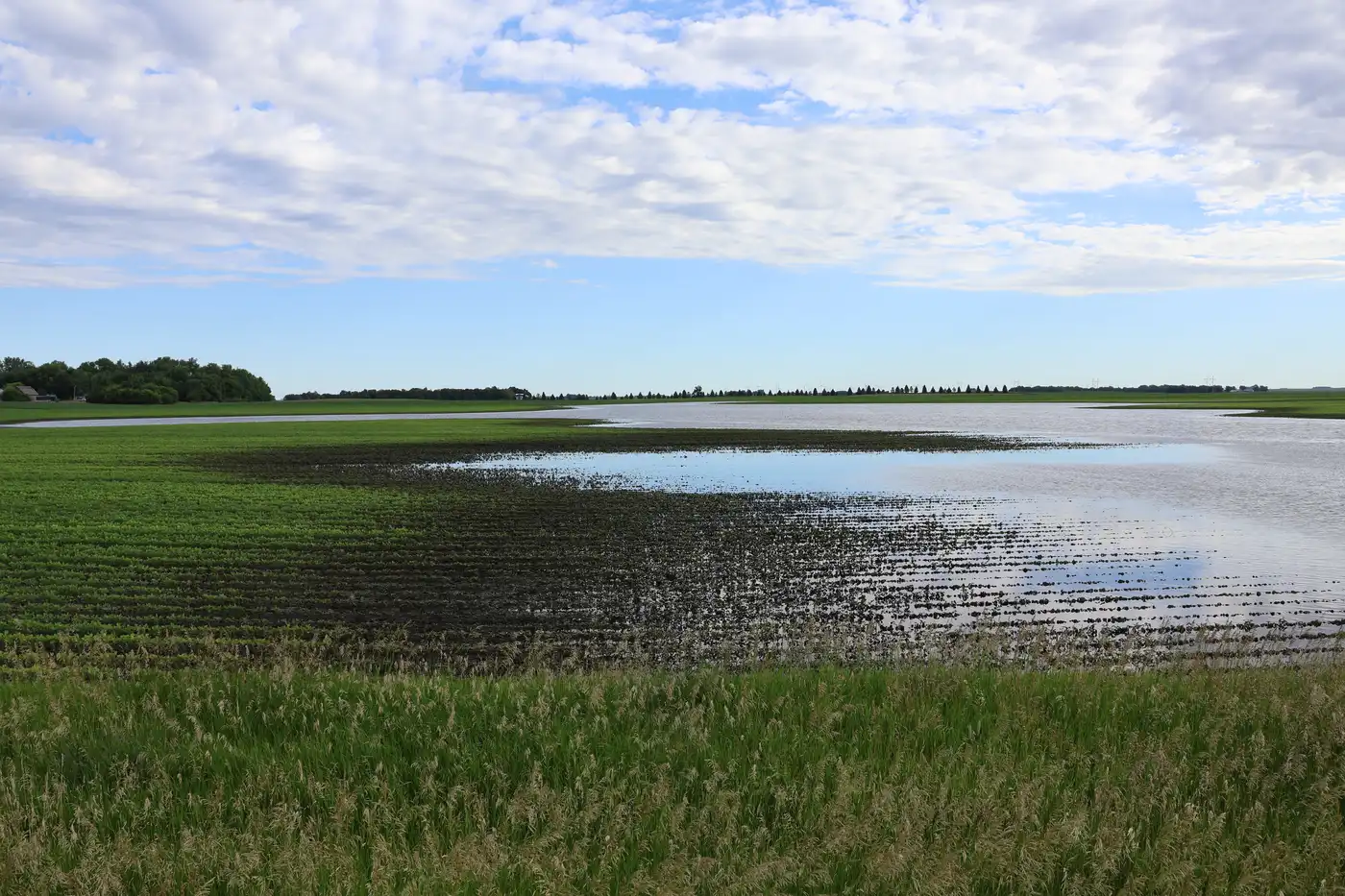
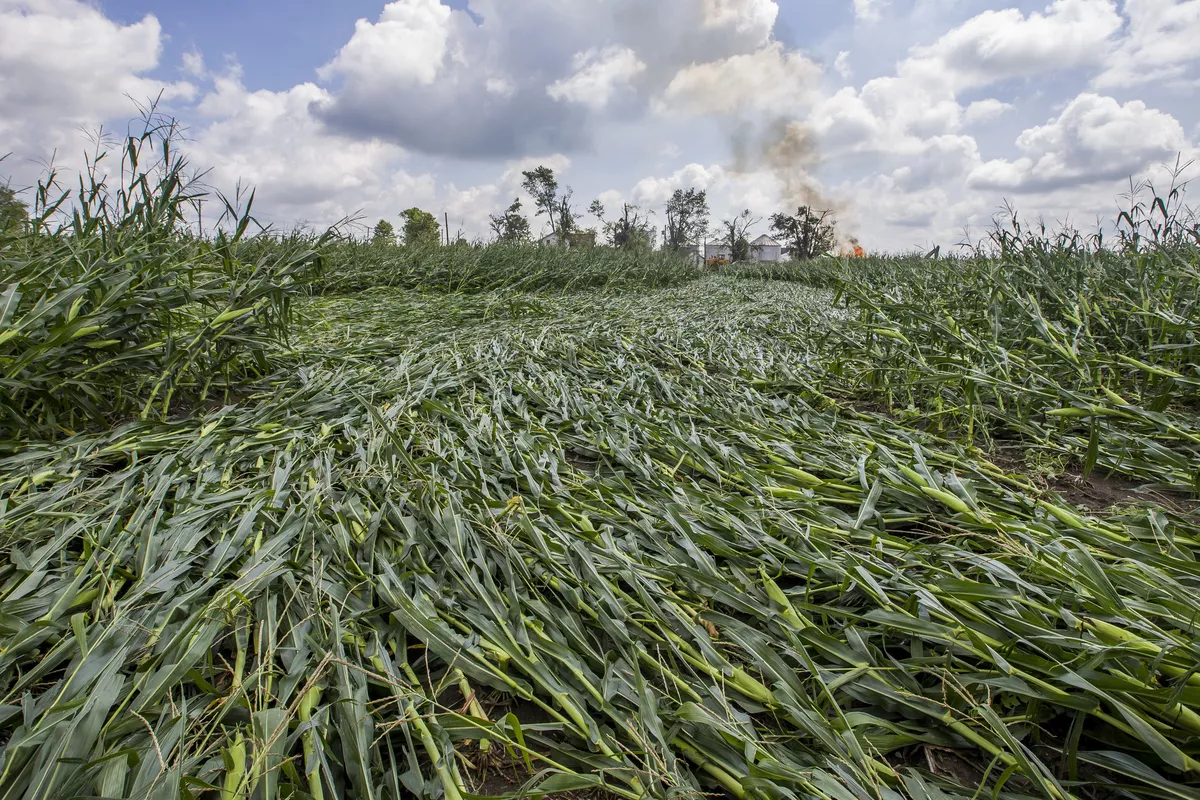
As the drought continues in Illinois and the highest temperatures so far this year looming, there are concerns about crop conditions. 

With temperatures hitting the 100 degree mark and no rain in the foreseeable future in parts of the state, crop conditions could deteriorate.

“It's not really well timed with crop conditions. We definitely want to see more consistent rain in late July and early August for both corn and beans as well as a lot of our vegetable and fruit crops,” said Trent Ford, Illinois State Climatologist.  

Last week’s U.S. Drought Monitor showed 55% of the country’s corn crop and 50% of U.S. soybeans are covered in drought.

Mark Schleusener, Illinois State Statistician with the United States Department of Agriculture, said the condition of soybeans actually improved over the past week. Thirty-seven percent of farmers reported their soybeans to be in good condition, 34% reported their crop to be in fair condition and 17% reported their beans to be in poor condition.

“The condition of the Illinois corn crop also improved and was rated 22% very poor to poor, 33% fair and 45% good to excellent,” said Schleusener.

Eric Snodgrass, principal atmospheric scientist with Nutrien Ag Solutions, told Ag Web the high temperatures could affect corn yields in some areas. 

“Will there be storms that blow up in the middle of this and bring some cooler weather? That’s a possibility," he said. “There’s going to be winners out of this, and there’s going to be a larger area that’s going to see some crop damage.”

Illinois is second in the nation in corn production, and first in soybean production.

Source - https://www.thecentersquare.com

04.05.2026

Bulgaria's Kyustendil cherry crop severely affected by frost for second consecutive year

Frosts have caused critical damage to cherry orchards in the Kyustendil region of Bulgaria for the second consecutive spring, with producers reporting near-total crop losses. 

04.05.2026

Vietnam - MoF moves to expand farm insurance support and eligibility

The Ministry of Finance has proposed sharply increasing agricultural insurance premium subsidies to up to 95 per cent and widening the pool of eligible beneficiaries to better share risks with producers, stabilise farm incomes, and strengthen climate resilience.

04.05.2026

Bangladesh - One lakh hectares of rice fields go underwater in haor regions

What should have been a vibrant harvest season in the country’s haor belt across seven districts has instead turned into widespread devastation. 

04.05.2026

Philippines - P150-M insurance buffer vs El Niño but PCIC limits coverage to irrigated farms

The Philippine Crop Insurance Corporation (PCIC) in Western Visayas has set aside P150 million in drought insurance as El Niño conditions intensify, with officials warning that the region is already nearing “critical” risk levels that could threaten thousands of farmers in the coming cropping season.

04.05.2026

Indian banana crops damaged across 809 hectares in Tamil Nadu

Strong winds and heavy rainfall in parts of Tamil Nadu have damaged banana crops across districts, including Theni, Dindigul, Coimbatore, and Salem.

04.05.2026

Poland reports up to 100% fruit crop losses after late April frosts

Fruit growers in Poland are assessing losses after late April frosts damaged crops across multiple regions, with eastern areas most affected and stone fruit production under pressure.

03.05.2026

Vietnam - Aid for agricultural insurance premiums proposed to rise

The Ministry of Finance has proposed increasing support for agricultural insurance premiums and expanding eligible beneficiaries in a move aimed at encouraging greater participation by farmers and agricultural organisations.

03.05.2026

USA - MDARD Awards Over $3.2 Million Through Resilient Food Systems Infrastructure Grant Program

The Michigan Department of Agriculture and Rural Development (MDARD) today announced more than $3.2 million of grants to 10 Michigan entities through the U.S. Department of Agriculture’s (USDA) Resilient Food Systems Infrastructure (RFSI) Grant Program.