Last year, droughts were so severe across Connecticut that the federal government declared a statewide natural disaster. This year, despite the days of smoky skies, spring frosts and, yes, slightly-lower-than average rainfall, many farmers remain confident in their berry, fruit and vegetable crops.
When the smoke from Canadian wildfires covered the Northeast June 7 and 8, farmers found it challenging from a labor perspective.
“We can’t work from home,” said Susan Mitchell of Cloverleigh Farm, a vegetable, herb and flower farm in Columbia.
Graham Fishman of Millstone Farm in Wilton said work was an issue, but the smoke didn’t affect his crops otherwise. He said his team had to harvest but was then able to work inside packing.
“It was a tough time to be outside harvesting for our local markets, but the two days didn’t impact anything,” said Patti Popp of Sport Hill Farm in Easton, via email.
There are a few ways smoke can affect crops. Fruits and vegetables can take on a smoky flavor, depending how long they’re exposed. But also, if the plants are close enough to the source of the smoke that there’s ash or other particulate matter in the air, smoke can impair pollination and photosynthesis by coating the leaves and reproductive parts of the plants.
Fishman said that all of his spring crops don’t need to be pollinated, and none of his summer crops like tomatoes, eggplants or summer squash have started developing blossoms yet.
“I don’t think we were close enough to have particulate matter,” he said. “And plants actually love the CO2.”
For other farmers, though, the smoke was more challenging.
“Growth was behind schedule and the smoke certainly exacerbated the issue, but mostly because it felt like another weather-related hurdle after a long spring,” said Allyson Angelini of Full Heart Farm in Ledyard, via email.
Mitchell said that the smoke blocked sun from her plants during a time when they crucially needed it. She said that a dry start to the season and late frosts mean that everything is growing more slowly.
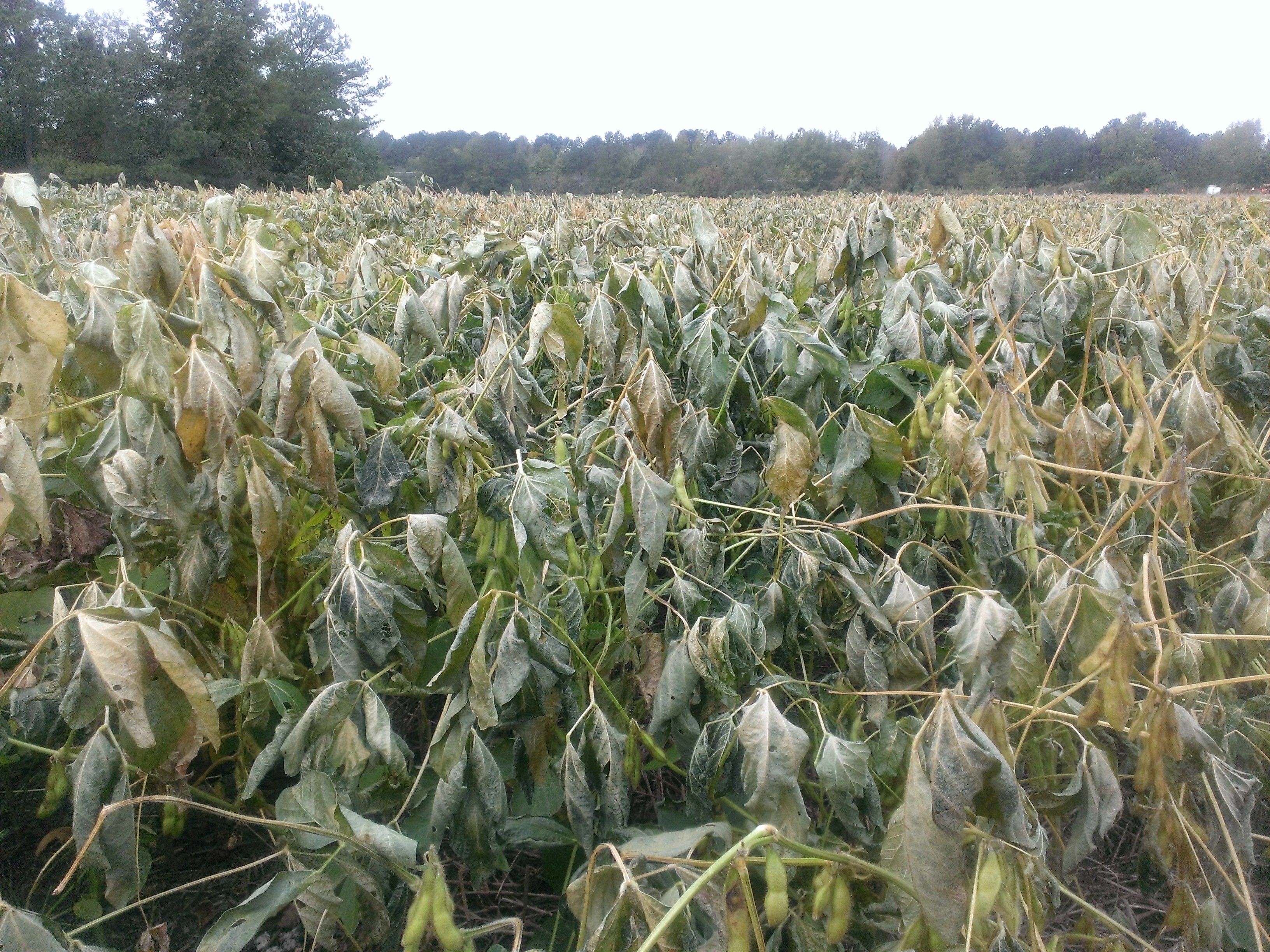
“The May 18 freeze left us with significant crop loss,” Angelini said. “We replanted a huge chunk of the farm and are still a few weeks behind in our harvest where we were last year.”
Scantic Valley Farm in Somers normally offers pick-your-own strawberries but couldn’t this year due to the same frost.
But in other parts of the state, the brisk spring has been a boon.
“Strawberries love this weather,” said Lexi Gazy of Gazy Brothers Farm in Oxford, via email. “The cooler nights are keeping them from over-ripening too fast.”
“The seasonal greens love the cooler temps,” Popp said. “Summer crops, not so much, but warmer weather is also on the way.”
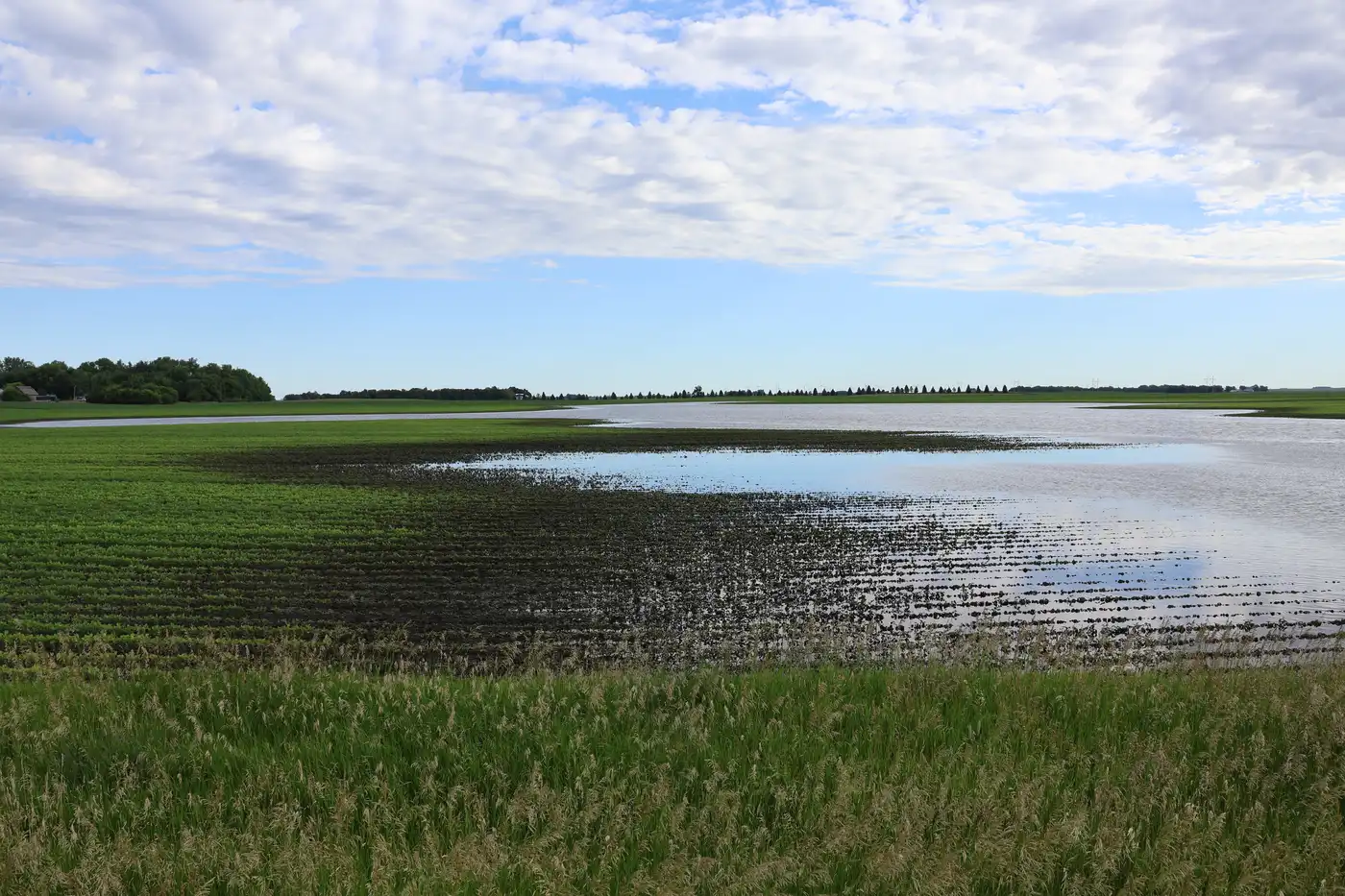
Of course, rain is still a concern for most. Fishman and Mitchell both said that while there was enough precipitation this winter to pull them out of a drought, the spring still started off dry.
According to the National Weather Service, rainfall was below average in every county except Hartford in March and April 2023. New London County is the driest, at only 75 percent of normal rainfall amounts, while Fairfield County has received 84 percent of its usual rainfall for the two months, and Litchfield, Tolland, Windham, New Haven and Middlesex are all at 90 percent or more of their normal rainfall.
“We have been blessed with primarily mild storms, evening rains keeping produce well hydrated,” Gazy said. “We are definitely dry though.”
Gazy and Fishman both said that they’re working on improving soil health as a way of protecting their crops in increasingly unpredictable weather.
“We are learning how to develop the health of the soil through regenerative agricultural practices, nourishing the microbiology of the ground to increase the health of the organisms we cannot see,” Gazy said. “In turn, diverse conditions should be met with a more adaptive environment.”
Fishman extends this approach to how he irrigates.
“A lot of farmers water as needed,” he said. “But I water a lot at the beginning of the season.”
He said that as the water settles deeper into the ground, the plants’ roots grow that way too, making them better able to find water and nutrients deeper in the soil.
Mitchell and Angelini are investing in high tunnels, also known as hoop houses, to prolong their growing season and protect crops from frosts.
“We are focused on making the most of that space in the shoulder seasons and are grateful we had the foresight to begin that transition back in 2020,” Angelini said. “It certainly doesn't feel like the end of this extreme weather is coming any time soon.”
As for members of the public who shop at farmstands and farmers markets, the CSA subscribers, Mitchell said their support and patience is more valuable than ever.
Source - https://www.ctinsider.com