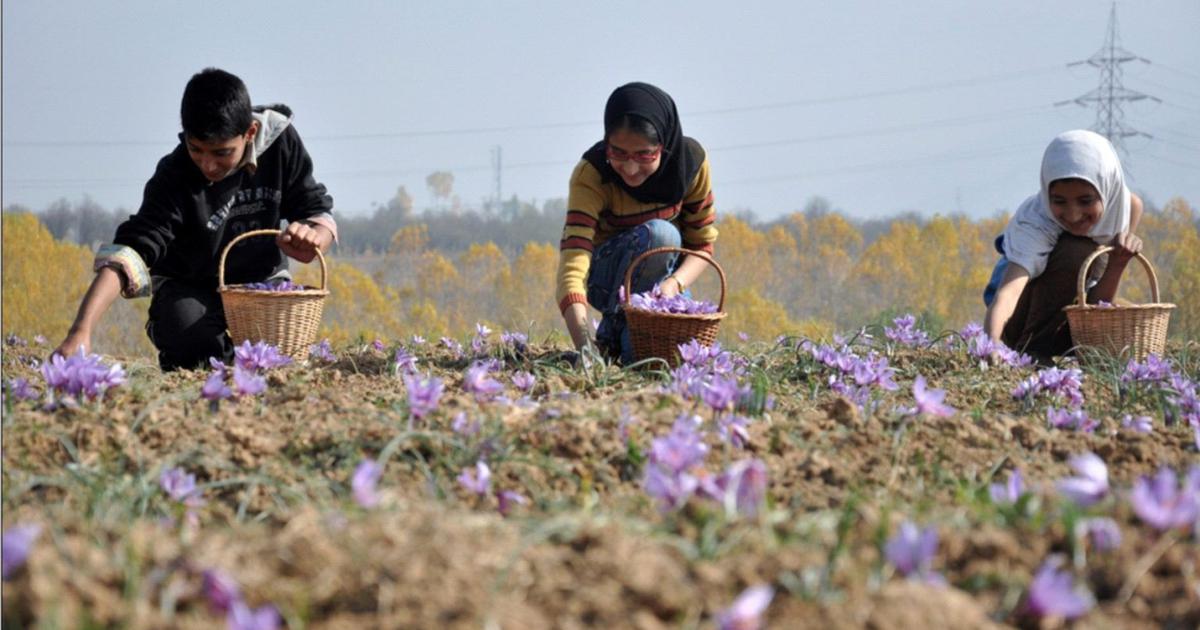
It’s an autumnal New England tradition. As the leaves start changing, families set out for the region’s apple orchards, where they can pluck varieties like Gala, McIntosh, and Red Delicious apples, sample apple cider donuts, and sip on cider.
This year, many of those trees are bare, but farmers and apple experts are still urging people to visit orchards around the state — even those that can’t offer a pick-your-own apple option.
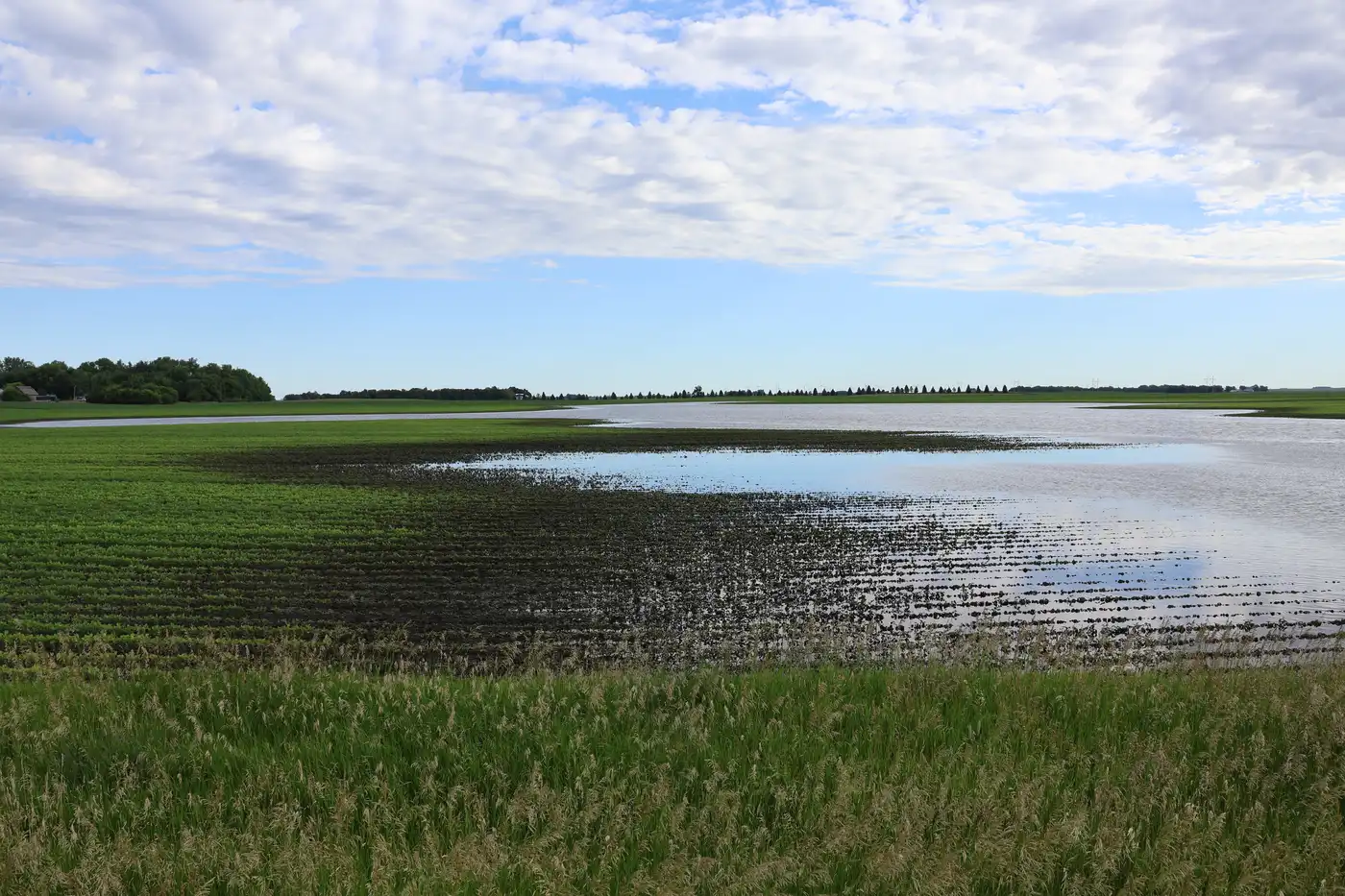
In fact, they said the revenue from visitors is more important than ever, after much of this year’s apple crop was lost to a freeze in May. Estimates from a University of New Hampshire Survey found that freeze wiped out between 50 to 75 percent of revenue from the crop, amounting to an estimated $7.9 million loss statewide.
“I’ve been doing this since the mid ′60s. I’ve never seen anything like it,” said Stephen Wood, who owns and operates Poverty Lane Orchards and Farnum Hill Ciders in Lebanon.
He said it’s the first year in 50-plus years that his farm hasn’t opened pick your own, simply because there are no apples for that kind of picking on the trees. Half of Wood’s acreage is dedicated to apples used for making hard cider, and some of that crop survived. While the farm would normally be buzzing with 50 or 60 cars parked in the driveway, this past weekend, Wood said, a meager eight vehicles represented something of a rush.
“It’s a little disorienting,” he said.
Not all orchards were as hard hit. Wood has been redirecting would-be visitors to apple orchards that can still offer pick your own, or orchards that are reselling wholesale apples grown in areas that were spared from the cold snap. His list includes Apple Hill Farm in Concord, which brought in fruit from farms in New Hampshire and Maine, Butternut Farm in Farmington, and Applecrest Farm Orchards in Hampton Falls.
Wood and his wife have adapted by scaling way back: instead of opening six days a week, they’re open four days a week with an “honesty box” where patrons can pay for apples, and only one day a week with an actual human selling local products.
He said they’ve resigned themselves “to just bring in a great deal less money this year.”
They’re not the only ones grappling with that reality, brought on by the extreme weather linked to climate change.
Paul Franklin and his wife Nancy Franklin own Riverview Farm in Plainfield, right above the banks of the Connecticut River. Paul Franklin said they lost their entire crop, but purchased apples from growers they’ve known for decades to offer for sale to visitors.
The farm is diversified, and they also have a corn maze to offer, as well as blueberries, raspberries, pumpkins, and flowers.
“That’s how we’re limping through to next year,” he said. But pick your own draws many visitors to the farm, and without it, he said, less people will come and sales of the other crops will also decrease.
“Apples are our biggest draw,” he said. “People always think of the iconic ‘Go to the orchard in the fall and pick apples.’ That’s the experience they want to come and have.”
He estimated the farm will lose 50 percent of its revenue this year to the freeze.
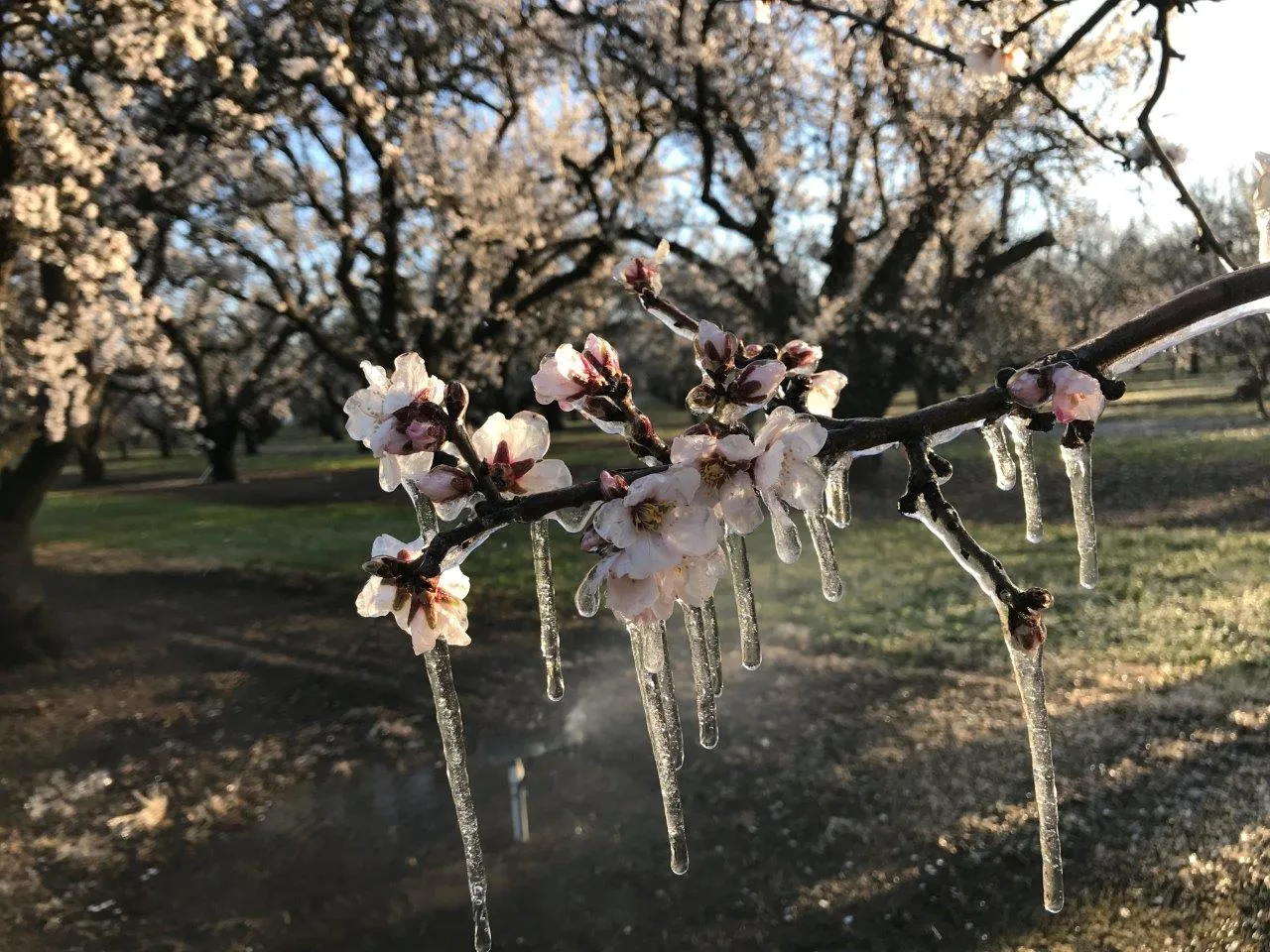
April was an unseasonably warm month, enticing the apples to bloom a bit earlier than usual. But on May 17, temperatures dipped well below freezing and remained cold for long enough to kill some of the budding crop.
Franklin said the uncertainty brought about by climate change is making him question whether to stay in the business at all.
He’s 71 and has been farming for almost five decades. “Going forward, I don’t have much faith that my past history is going to give me information to make decisions in the future because I believe there’s going to be more variability in both the rain and temperatures,” he said.
Jeremy DeLisle is a field specialist at the University of New Hampshire Cooperative Extension. He conducted a survey of 70 farmers, representing around 90 percent of all fruit growers. The survey found that about 1,000 acres had been impacted by the May freeze, including 869 acres of apple orchards.
The survey found that while statewide damage was extensive, it varied greatly depending on location. Orchards at higher elevations seemed to fare much better, DeLisle said. He attributed that to cold air settling in the lower elevation valleys, and inflicting more damage on the lower-lying plants.
They’re using that information to advocate for emergency relief funding from the federal government moving forward.
DeLisle said farmers still want visitors to frequent their farms and some are offering hayrides, cider, haunted walks, pumpkins, and corn mazes to attract and entertain visitors.
“Some orchards who didn’t have much of a crop are looking at doing things like scavenger hunts in the orchards,” he said. If you’re lucky enough to find an apple, you can eat it. Others are looking at events like orchard dinners that wouldn’t be possible during a typical year when the property is crowded with apple pickers.
“The take home message is that folks get out there and be in contact, make the phone call, show up at the farm stand,” he said. “That’s really what these producers need.”
Source - https://www.bostonglobe.com