Plagued by drought a few years ago, farmers would now likely give their right arms for a dry field.
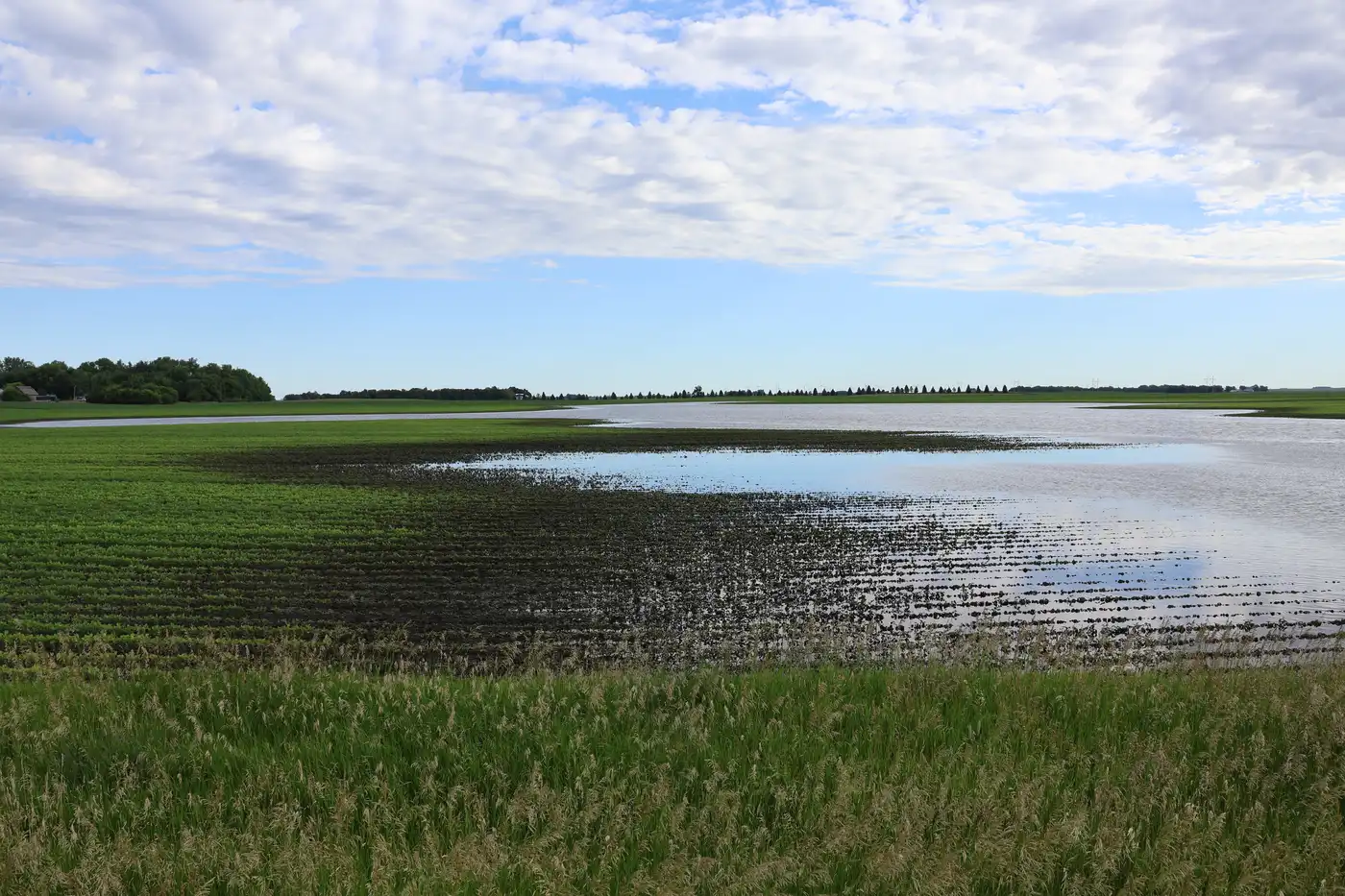
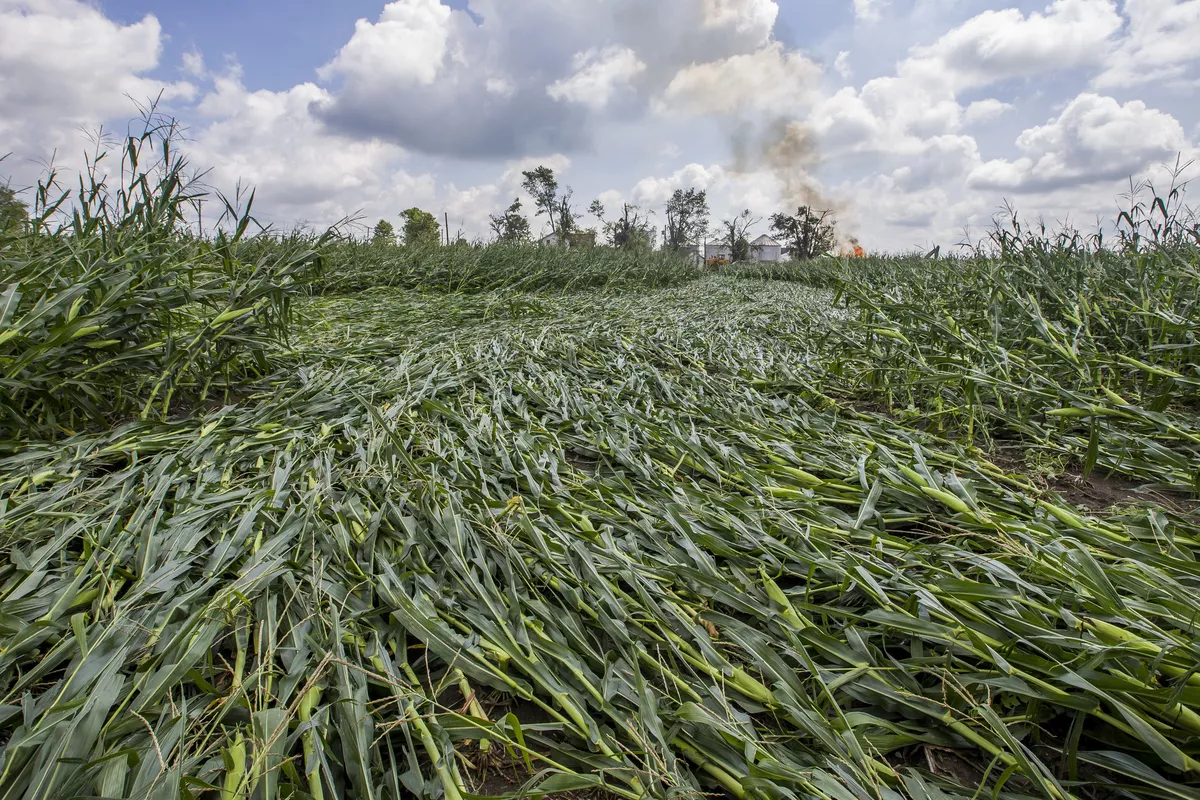
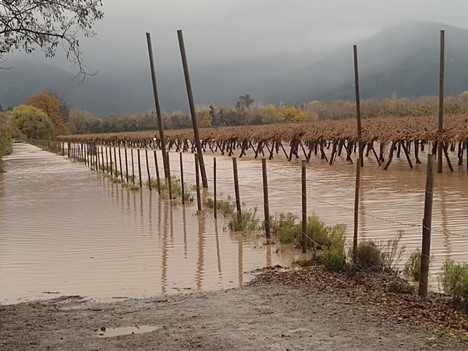
Persistent rain has affected crop planting, landscape work and recreation across the state, and It could lead to significant losses for Maine’s hay producers — up to half their income for some.
In Aroostook County, farmers halted potato planting for about three days in May due to wet conditions, agronomist Jake Dyer said at a recent Maine Potato Board meeting.
The weather is also affecting hay, which is crucial for livestock forage. While potatoes and blueberries are Maine’s No. 1 and No. 2 food crops, respectively, hay comes in third, with last year’s production valued at more than $46 million, according to the U.S. Department of Agriculture’s National Agricultural Statistics Service.
“We’ve received an awful amount of rain,” said Cody Tompkins of Caribou, owner of The County Hay Co. in Easton. “A lot of different parts of The County have had about a three- or four-week stretch when haying has just not been possible.”
Wet conditions mean hay can’t be cut and baled. That in turn could diminish chances for a second harvest of a crop that usually sees two cuttings in a season. Some producers could see at least a 20 to 25 percent loss, Tompkins said.
Typically Tompkins bales hay in late June. Now he’s about two weeks beyond the normal starting point, and the 10-day forecast doesn’t look favorable, he said.
Hay can’t be baled wet because mold will grow, and that microbial activity can actually generate heat and cause the bale to catch fire spontaneously.
Once dry hay is compacted in bales, it goes through a natural heating and drying process that inhibits mold growth and keeps the hay in good condition for around 18 months, Tompkins said.
Tompkins farms about 350 acres of Timothy, orchard grass and clover hay at 13 sites in the central Aroostook area. Generally he obtains from 75 to 100 square bales, or five to seven round bales, per acre.
Square bales average about 40 to 45 pounds, while the 4-by-4-1/2-foot round bales he produces are approximately 600 pounds, Tompkins said.
If a second harvest doesn’t happen this year, he could lose roughly 1,000 square bales and 300 round ones, or about $20,000, he estimated.
His mixture of dry hays ends up with 14 percent or less moisture, and most of his product goes to horse owners in Aroostook County and some in southern Maine.
But with rainy conditions halting the haying, he and other producers are in limbo.
“We haven’t made one dry bale of hay yet, and there are some spots I’m sure that we will probably not get a second crop from,” said Nicole Banks, who with her husband, Aaron, owns New Beginnings Farms in Arundel.
The first crop is always more plentiful, but the second one is more expensive to produce and yields a higher price, she said.
They could lose around half their production this year because of the wet weather, she said, though she could not estimate a dollar amount because the crop varies from year to year.
The smaller-scale farm grows from 100 to 125 acres of hay mostly for horses, producing Timothy with alfalfa mixed in.
Each season brings its own challenges, Banks said. For a couple of years, it was drought. This year, it’s the opposite.
“People don’t know what a hardship [farming] is,” she said. “Being at the mercy of Mother Nature is a hard way to make a living.”
Over the past week, Caribou has recorded just more than a half-inch of rainfall, Bangor nearly 2 1/2 inches and Portland about 2 inches, according to National Weather Service data from Caribou and Gray. The Caribou station recorded precipitation 19 out of the 30 days in June. Although there was more rain in June 2022, there were longer periods of dry weather.
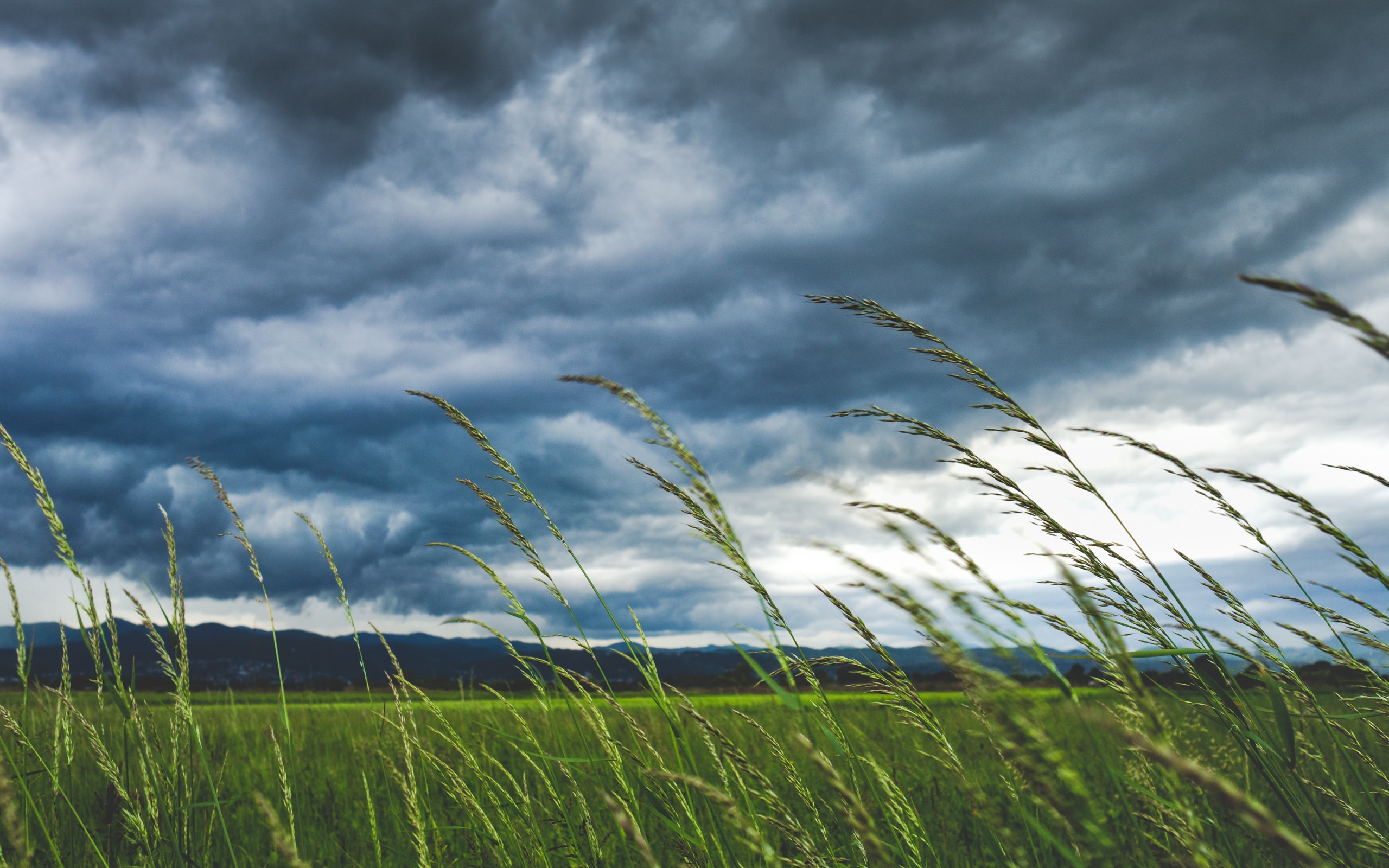
This week’s forecasts include partly sunny days, but with chances of showers or thunderstorms each day.
Still, Tompkins said there’s a chance things could turn around.
Because most hay is planted either in the fall or spring, planting was not affected, he said. The rain has helped the hay grow well, but hasn’t allowed for baling.
“If we in July can get a two-week period where it doesn’t rain, there’s still a good likelihood that this could be a really good year,” he said.
Source - https://www.bangordailynews.com