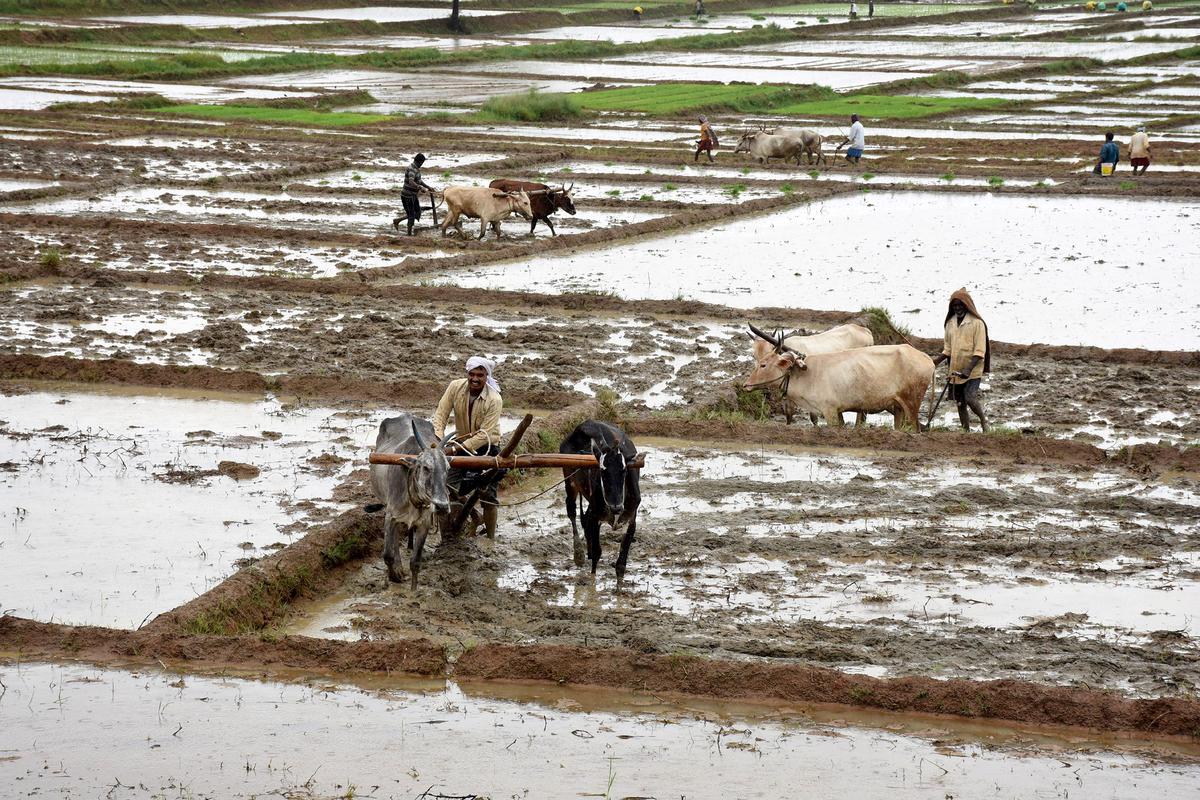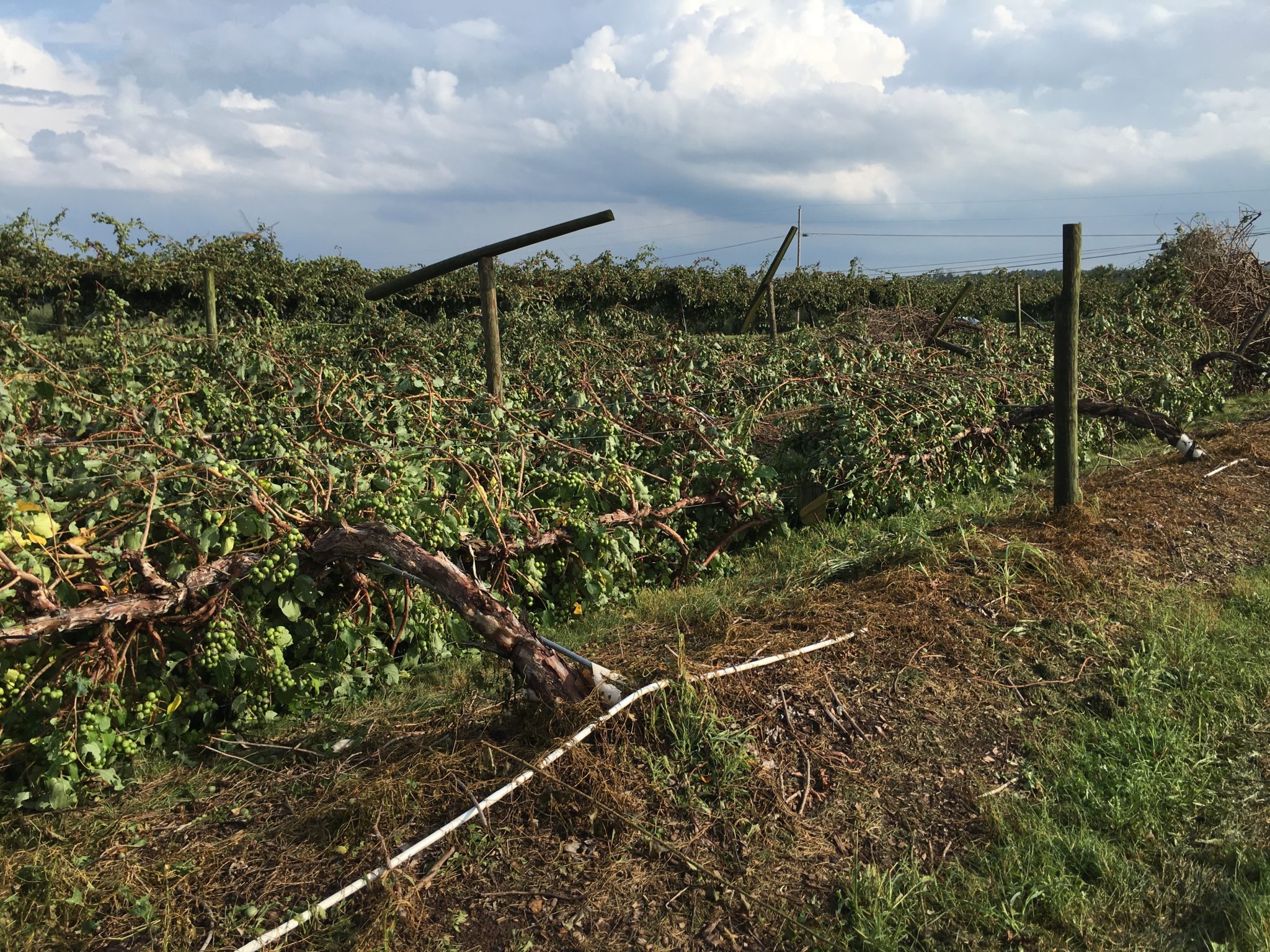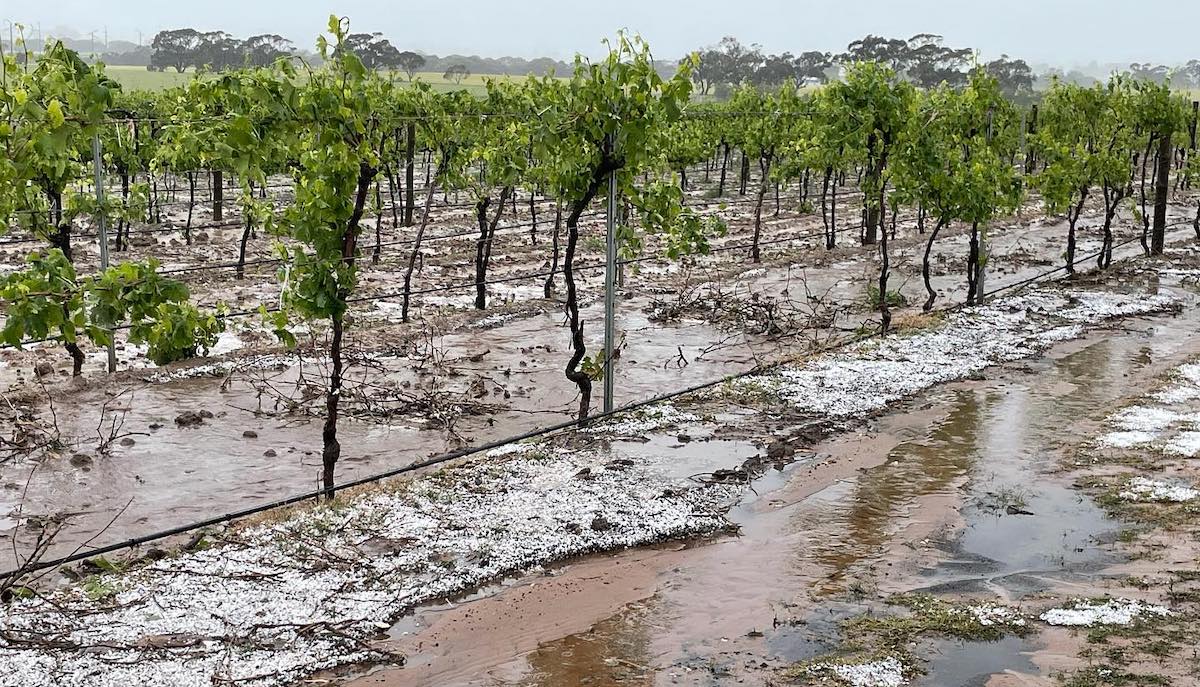
Tropical storm Debby is currently bringing significant amounts of rainfall to areas where fresh fruits and vegetables are grown in North Carolina. This can lead to situations where produce inadvertently comes in contact with contaminated water that may lead to produce safety concerns.
Over the next several days, we urge produce growers to pay close attention to water accumulation in areas where produce is grown. In such areas, it is important to determine the source of the water and differentiate between standing water that comes from excessive rainfall as the soil becomes saturated and standing surface water from river, stream, and creek overflows. This is especially important when flood waters touch the edible portion of the crop. Another concern would be for produce fields downgrade from livestock operations or areas where manure has accumulated – flooding and associated runoff from these operations could ultimately lead to produce contamination.
During periods of excessive rainfall, water can easily be contaminated with biological, physical and chemical contaminants. As an example, water that moves into a field from a surface water (lakes, rivers, streams, and creeks) can be contaminated with bacterial or parasitic pathogens, petroleum products, pesticides, and heavy metals.
In order to prevent contaminated or “adulterated” produce from entering commerce, the FDA has set guidelines for produce that has been impacted by flood waters (FDA’s guidance on food affected by hurricanes, flooding and power outages). If you are a produce grower with flood concerns for your growing area, please take time to review these guidelines.
Another timely resource is available from the Produce Safety Alliance that discusses food safety concerns for flooded farms. This fact sheet summarizes information that will help you determine whether crops are safe to be harvested. This is a great tool to use when assessing damage and identifying possible problems that arise from flood waters and periods of excessive rainfall. Note that direct contact of flood water with produce is not the only concern during this time. It is important that water sources such as wells and farm ponds be monitored closely for potential contamination from overland flow of flood waters.
In North Carolina, if you need help assessing damage in your fields from a food safety perspective or have general produce safety questions, please do not hesitate contacting your local County Extension Agent who will work closely with Area Specialized Agents focusing on Fresh Produce Safety.
Source - https://www.morningagclips.com