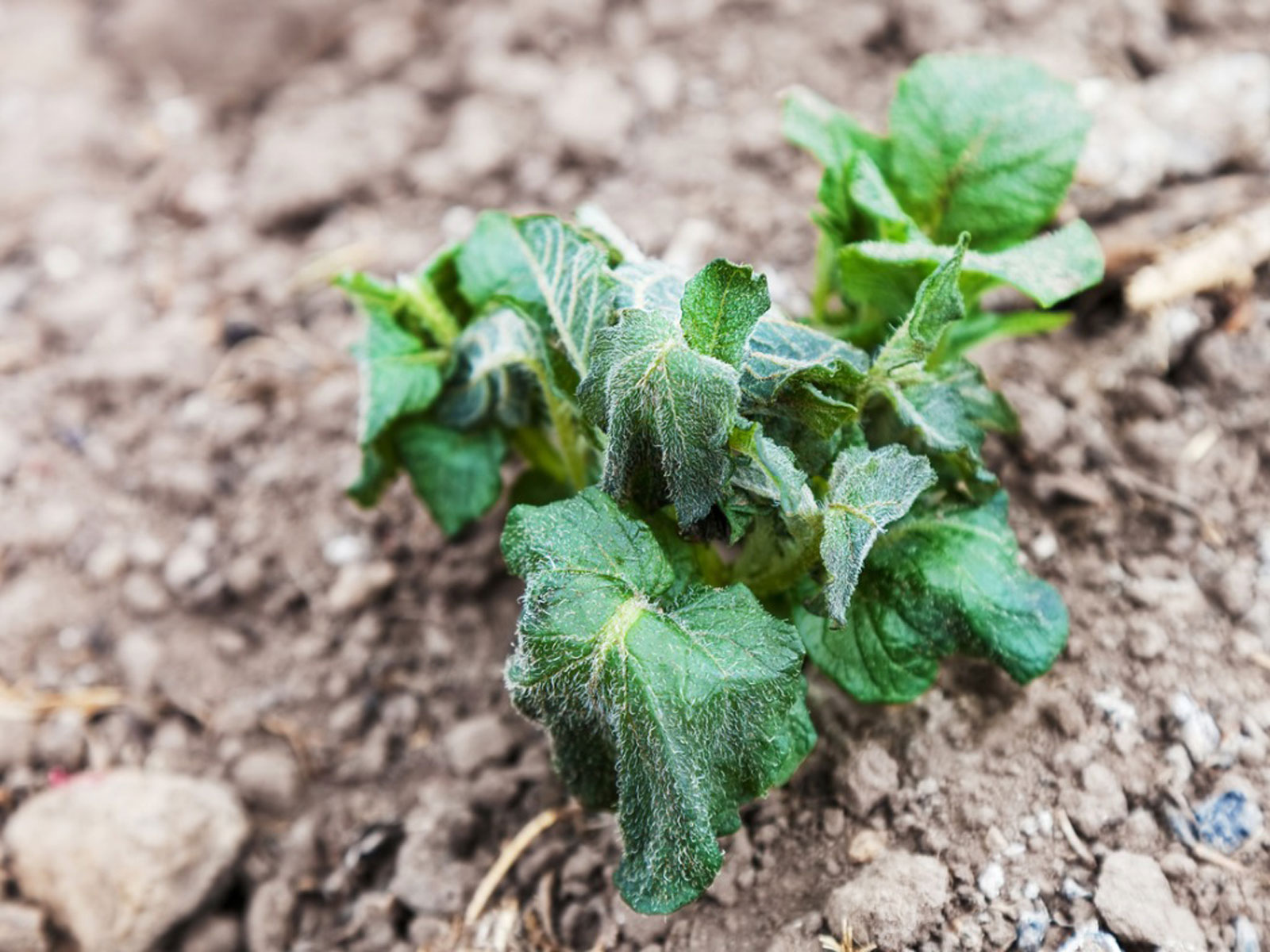
As farmers are setting their planters and testing seed depth, they are also paying close attention to weather before planting. Spring weather in the Midwest can run the gamut — ideal planting conditions one day, cold and snowy the next. That makes freeze or frost injury a perennial risk to early planted corn and soybeans.
While often used synonymously, the terms freeze and frost are not interchangeable. A freeze occurs when the air temperature is below 32°F at five feet above the ground. A frost occurs when the temperature of the Earth’s surface or objects on the Earth’s surface are 32°F or lower. It is possible to have frost without a freeze and vice versa.
Corn plants die immediately when growing point tissue freezes. Conversely, soybean plant tissue is more tolerant of freezing temperatures. However, temperatures below 32°F can damage leaves, and extended temperatures below 30°F can damage stems, pods and seeds. The severity of damage depends on the growth stage of the soybeans, the temperature and the duration of exposure.
In soybeans, a freeze that damages stems, pods and seeds can reduce the yield and crop quality. Frost-damaged corn is susceptible to leaf loss, which reduces the photosynthetic area available to produce carbohydrates for new plant growth.
When frost damage occurs, several management options are available. If damage is light, growers may choose to do nothing and allow plants to recover. More severely damaged fields may need to be replanted. Replanting decisions should only be considered after carefully examining frost-damaged plants and assessing plant stands.
“If a frost occurs, wait five days before getting into the field and checking how the frost impacted the plants,” said Brad Mason, Pioneer Field Agronomist. “While you may find dead tissue on the plants, the growing point on the plant will be a good indication of survival. If the growing point is below the soil, it should be better protected from the frost.”
Source - https://www.agdaily.com