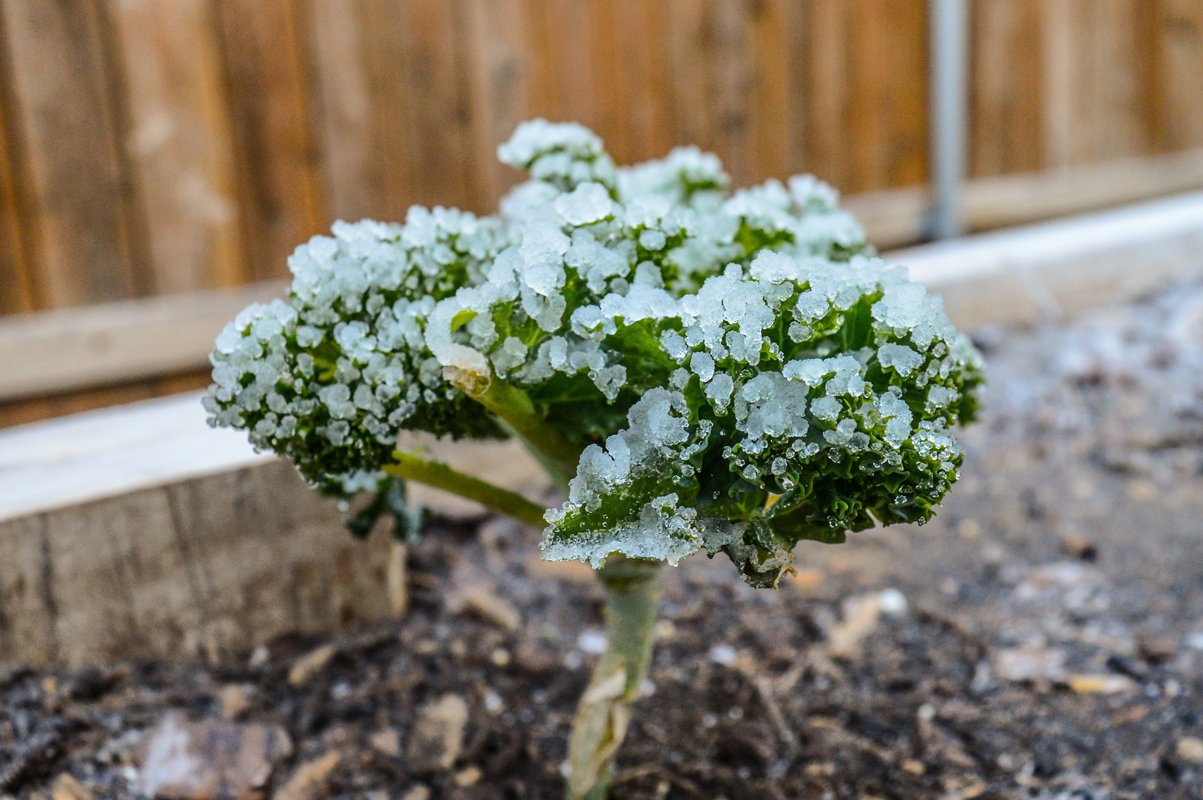
When Kris Ehler went to bed this past Sunday, the east-central Illinois farmer and agronomist knew his early planted and recently emerged soybeans would be put to the test overnight. A freeze warning had been issued, and temperatures were forecast to dip into the 20s -- a recipe for potential disaster for the seedlings.
Less than 48 hours later, the sound of soybeans running through Ehler's seed treatment equipment could be heard in the background as he discussed his plans for replanting the field.
"We dipped below 32 (degrees Fahrenheit) around 3 a.m. Monday, and the temp just tanked from there. We had five-plus hours of really cold temps, and they beans are dead," he said in a phone interview with DTN. "They're not just dinged up. They're dead. And a lot of growers that started planting the 10th of April around here had beans just coming through the surface, and we've got a handful of replant scenarios."
Farmers in Illinois aren't the only ones dealing with potential crop damage from cold conditions. This past weekend and Monday, temperatures below freezing were noted as far south as the Texas Panhandle, northern Oklahoma, through Kentucky and parts of Tennessee, said DTN Ag Meteorologist John Baranick. In the days since, those frosts have been more limited to the Dakotas, Minnesota, northern Iowa and through northern Ohio.
"The areas that have been more consistently below freezing for several hours at a time are those areas across the northern half of Illinois through the northern half of Ohio where more intense planting has likely taken place and winter wheat may be a bit more advanced," Baranick said.
"Cold air in place will be reinforced over the weekend and into early next week, which suggests that more frosts may be on the way. We could see another intrusion south of the Ohio River again as well," he continued. "Areas out in the Plains will be a little more protected, but we could see another round of frost across western Kansas and Colorado and points northward, though that's not unusual for this time of year."
For Ehler, the rewards of planting what he terms "ultra-early" soybeans outweigh the potential risks from freeze events. He noted that during the past 15 years, he's planted as early as late February through April 10. This year, he planted early beans on March 30.
"This is my second failure with early planted beans, so two out of 15 years," Ehler said. "When you look at the numbers, my data show a 9.8-bushel advantage of early beans versus those not planted until early May, so it's definitely worth the risk."
ASSESSING DAMAGE
Conditions have been favorable for planting in some geographies. According to USDA's NASS crop progress estimates, for the week ending April 23, about 9% of soybean acres had been planted nationwide, more than double the five-year average. About 14% of corn acres had been planted, which was 3% above average. Winter wheat is also progressing faster than average, with 18% of the crop at the heading stage, about 4% above average.
With earlier crop development comes the risk of encountering late frost or freezes that can damage corn, soybeans and winter wheat.
Ehler said that soybeans that have emerged but are still bent over in the shape of a shepherd's crook are most vulnerable to a freeze event, as the hypocotyl is exposed.
"If it freezes the neck below the cotyledons and the growing point, you're done," he added.
Once the unifoliates, the plant's first true leaves, unroll, freeze damage can occur more rapidly. However, if cold air kills the unifoliates but the cotyledons remain unharmed, the plant can recover. For help assessing frost or freeze injury to soybeans.
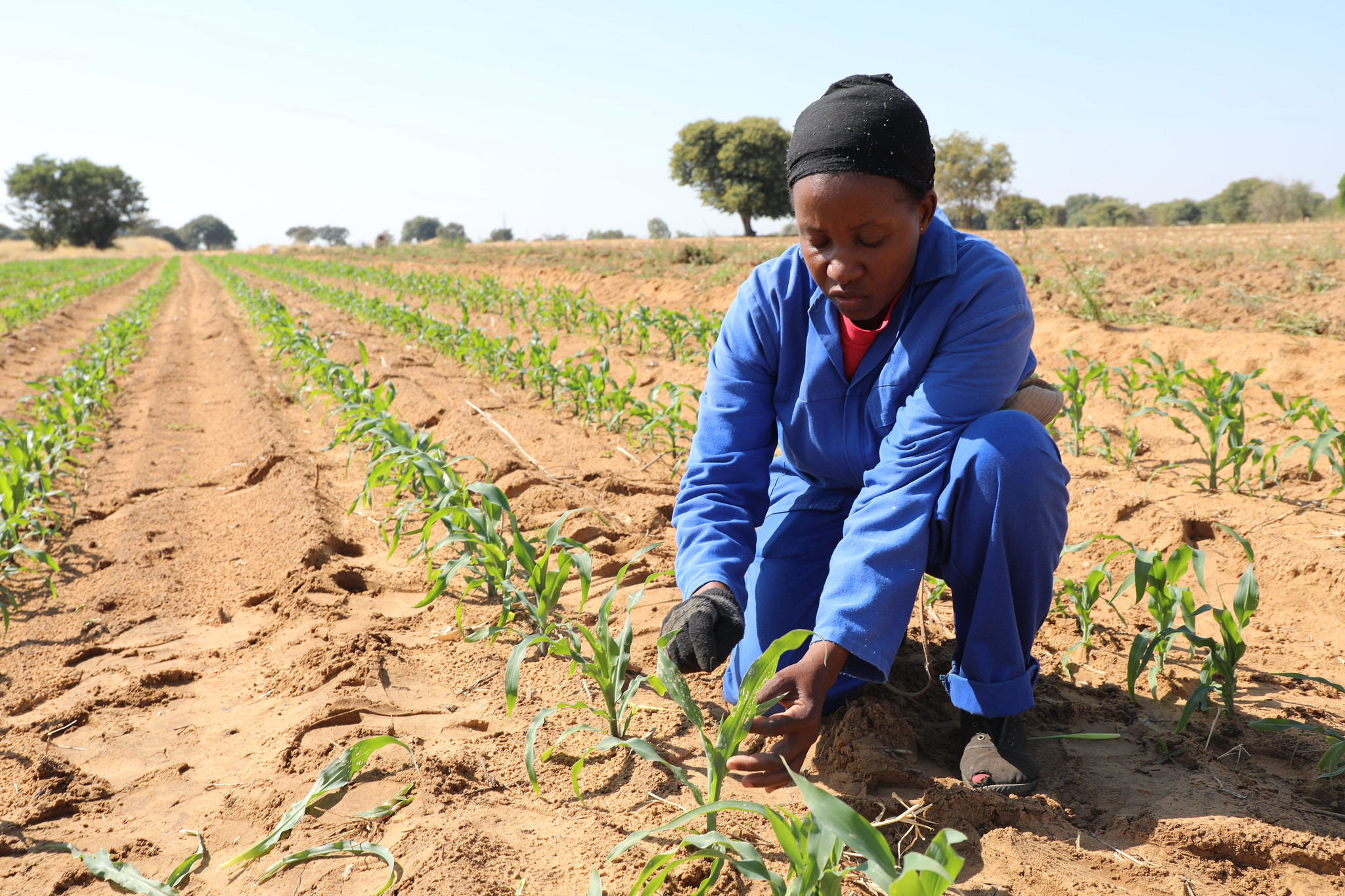
Because the growing point for young corn plants typically remains below the soil line until the V5 growth stage, corn fields are generally resilient to freeze damage through V4. While above-ground leaf tissue may be damaged, the plants usually recover. For help assessing frost or freeze injury to corn.
After winter wheat begins growing in the spring, it has little resistance to low temperatures, and freeze injury is more likely at sensitive plant growth stages. Fields are fairly tolerant until the crop reaches the boot stage, at which time damage and yield loss can occur with temperatures of 28 degrees or lower. Once wheat reaches the heading and flowering stages, temperatures of 30 degrees or lower for more than two hours can cause damage.
Source - https://www.dtnpf.com