Producers in Brown County may be eligible to apply for 2023 Livestock Forage Disaster Program (LFP) benefits on grazing losses only for native pasture, improved pasture, and small grains.
Eligible livestock producers must complete the application and required supporting documentation no later than Jan 30, 2024. Now is a good time to contact the FSA office to get your application filed.
Gaylynn Covey, CED with the Brown County FSA Office is reminding that all producers need to be made aware of the following programs and deadlines. As the deadlines are quickly approaching, please contact the FSA office for an appointment to make sure all the proper paperwork has been filed for the various programs.
Farm Service Agency Now Accepting Nominations for Farmers and Ranchers to Serve on Local County Committees
USDA is now accepting nominations for county committee members in the Local Administrative Area (LAA 2) which is currently held by Monte Sanchez.
Agricultural producers may be nominated for candidacy for the county committee if they:
- Participate or cooperate in a USDA program; and
- Reside in the LAA that is up for election this year.
A cooperating producer is someone who has provided information about their farming or ranching operation to FSA, even if they have not applied or received program benefits. Individuals may nominate themselves or others and qualifying organizations may also nominate candidates. USDA encourages minority producers, women and beginning farmers or ranchers to nominate, vote and hold office.
Contact the Brown County FSA at 325/643-2573 or come by the office at 2608 C – Hwy 377 S, Brownwood for more information and to nominate someone.
All nominations forms must be postmarked or received in the local FSA office by August 1st.
USDA reminds farmers to file crop acreage reports by July 17
Farmers who have not yet completed their crop acreage reports after planting should make an appointment with their local U.S. Department of Agriculture (USDA) office before the applicable deadline, which for many places and crops is July 17.
USDA’s Farm Service Agency (FSA) also reminds farmers with login access to farmers.gov of several features that can help expedite acreage reporting, such as the ability to view, print and label maps.
“Regardless of the size of your operation or its location—rural or urban—filing an accurate and timely crop acreage report is an important step in receiving USDA program benefits, including safety net, conservation, and disaster assistance support,” FSA Administrator Zach Ducheneaux said.
An acreage report documents the crops grown and their intended uses.
Filing an accurate and timely acreage report for all crops and land uses, including failed acreage and prevented planted acreage, is necessary to participate in many USDA programs. July 17 is a major deadline for most crops, but acreage reporting deadlines vary by county and by crop.
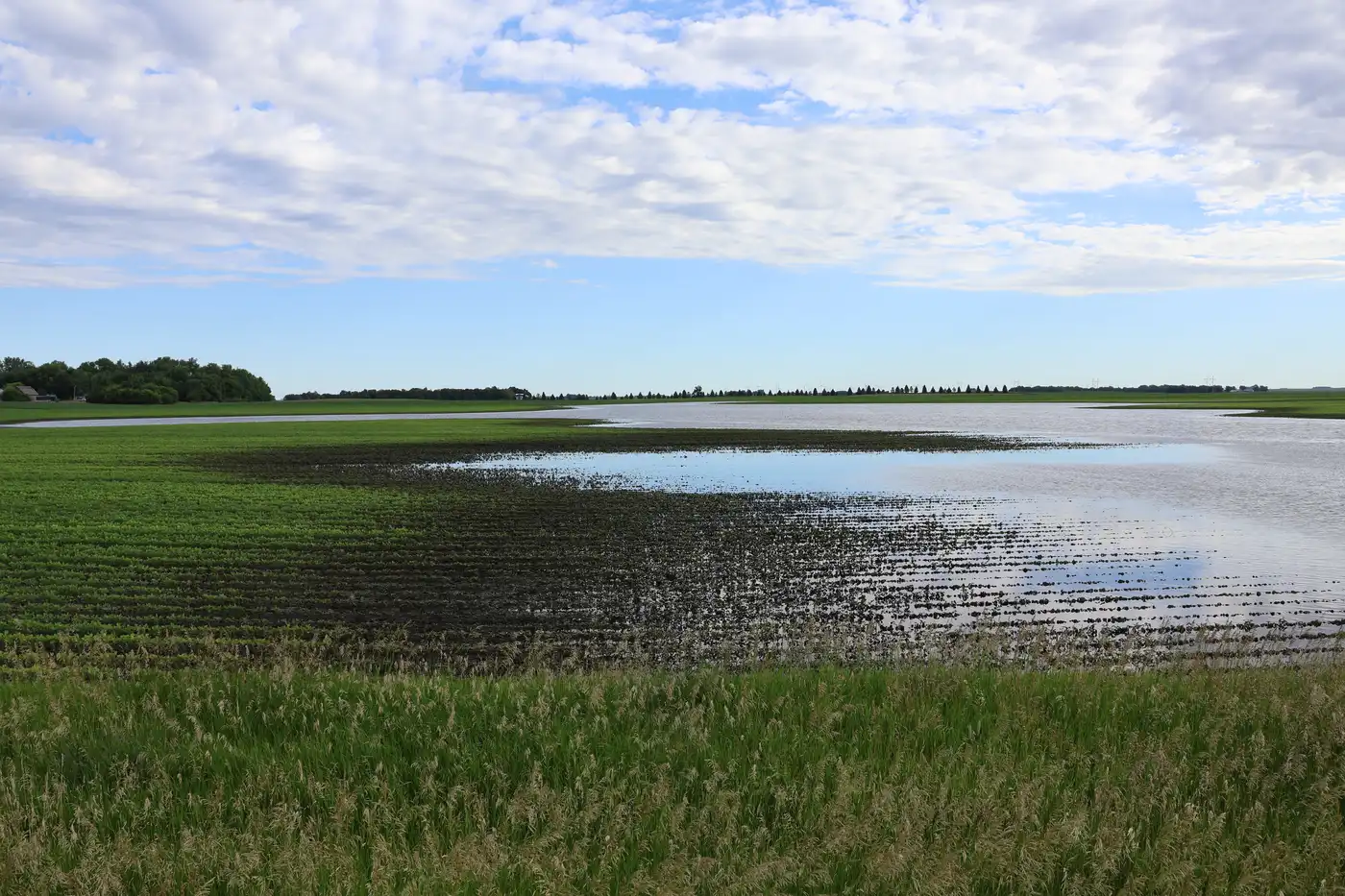
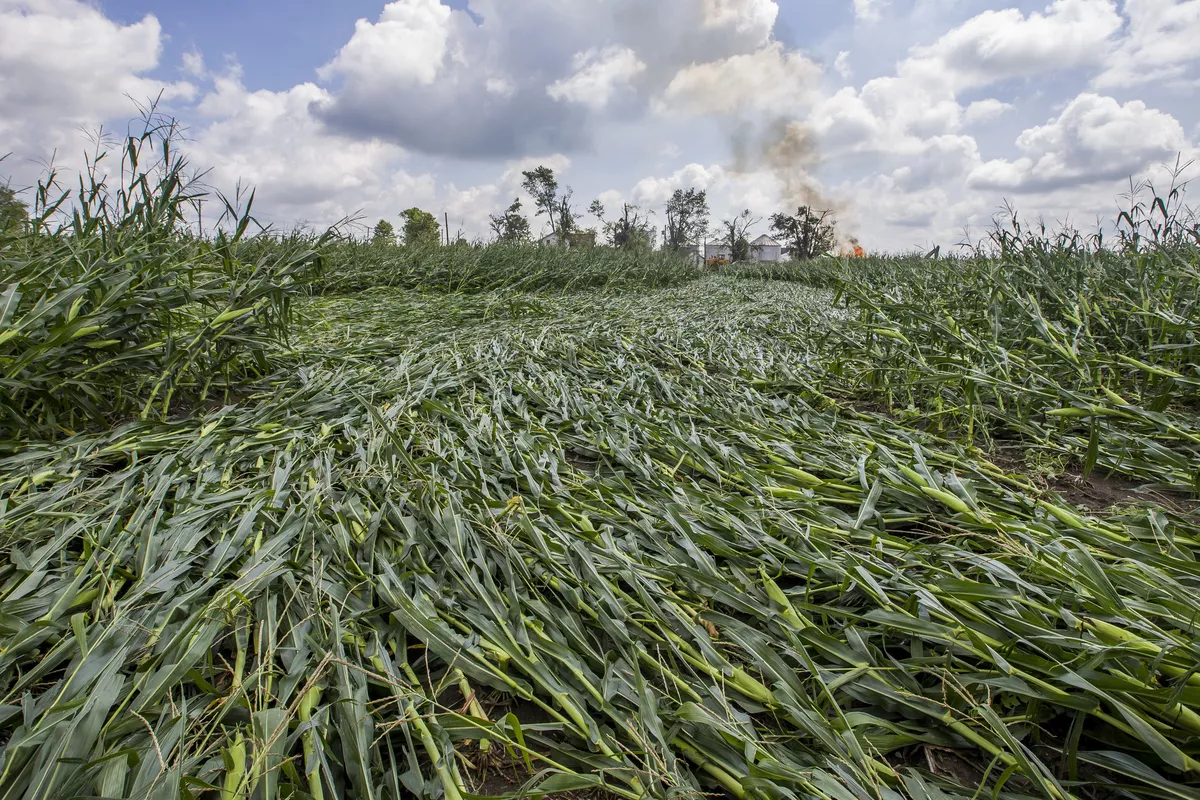
Farmers should also report crop acreage they intended to plant but were unable to plant because of a natural disaster. Prevented planting acreage must be reported on form CCC-576, Notice of Loss, no later than 15 calendar days after the final planting date. Final planting dates are established by FSA and USDA’s Risk Management Agency (RMA) and vary by crop, planting period and county.
How to file a report
Farmers can contact their FSA county office for acreage reporting deadlines that are specific to their county. To file a crop acreage report, producers need to provide:
- Crop and crop type or variety;
- Intended use of the crop;
- Number of acres of the crop;
- Map with approximate boundaries for the crop;
- Planting date(s);
- Planting pattern, when applicable;
- Producer shares;
- Irrigation practice(s);
- Acreage prevented from planting, when applicable;
- Other information as required.
Acreage reporting exceptions
The following exceptions apply to acreage reporting dates:
If the crop has not been planted by the acreage reporting date, then the acreage must be reported no later than 15 calendar days after planting is completed.
If a farmer acquires additional acreage after the acreage reporting date, then the acreage must be reported no later than 30 calendar days after purchase or acquiring the lease. Appropriate documentation must be provided to the county office.
Noninsured Crop Disaster Assistance Program (NAP) policy holders should note that the acreage reporting date for NAP-covered crops is the earlier of the dates listed above or 15 calendar days before grazing or harvesting of the crop begins.
Farmers.gov portal
Farmers can access their FSA farm records, maps and common land units through the farmers.gov portal. Through a new mapping feature, producers can import and view other shapefiles, such as precision agriculture planting boundaries. This allows producers to view, save, print and label their own maps for acreage reporting purposes. To access mapping features and other helpful on-line tools, producers need level 2 eAuth access linked to their Business Partner customer record. Visit farmers.gov/account to learn how to create a farmers.gov account.
In addition to mapping tools, a farmers.gov account offers a variety of self-service opportunities for FSA and Natural Resources Conservation Service (NRCS) customers, including managing FSA farm loans and NRCS conservation contracts.
Video tutorials, including how to use mapping tools, are available on the farmers.gov YouTube channel. Learn more about a farmers.gov/account.
More information
To learn more about FSA programs, producers can contact their local USDA Service Center. Producers can also prepare maps for acreage reporting as well as manage farm loans and view other farm records data and customer information by logging into their farmers.gov account. If you don’t have an account, sign up today.
Source - https://www.brownwoodnews.com