Ventura County, located in the southern part of California, is arguably the most beautiful place on earth to grow lemons. While the county is known for gorgeous beaches and beautiful mountain ranges, it is also a key agricultural area with the production value of lemons amounting to $253.7 million in 2021.
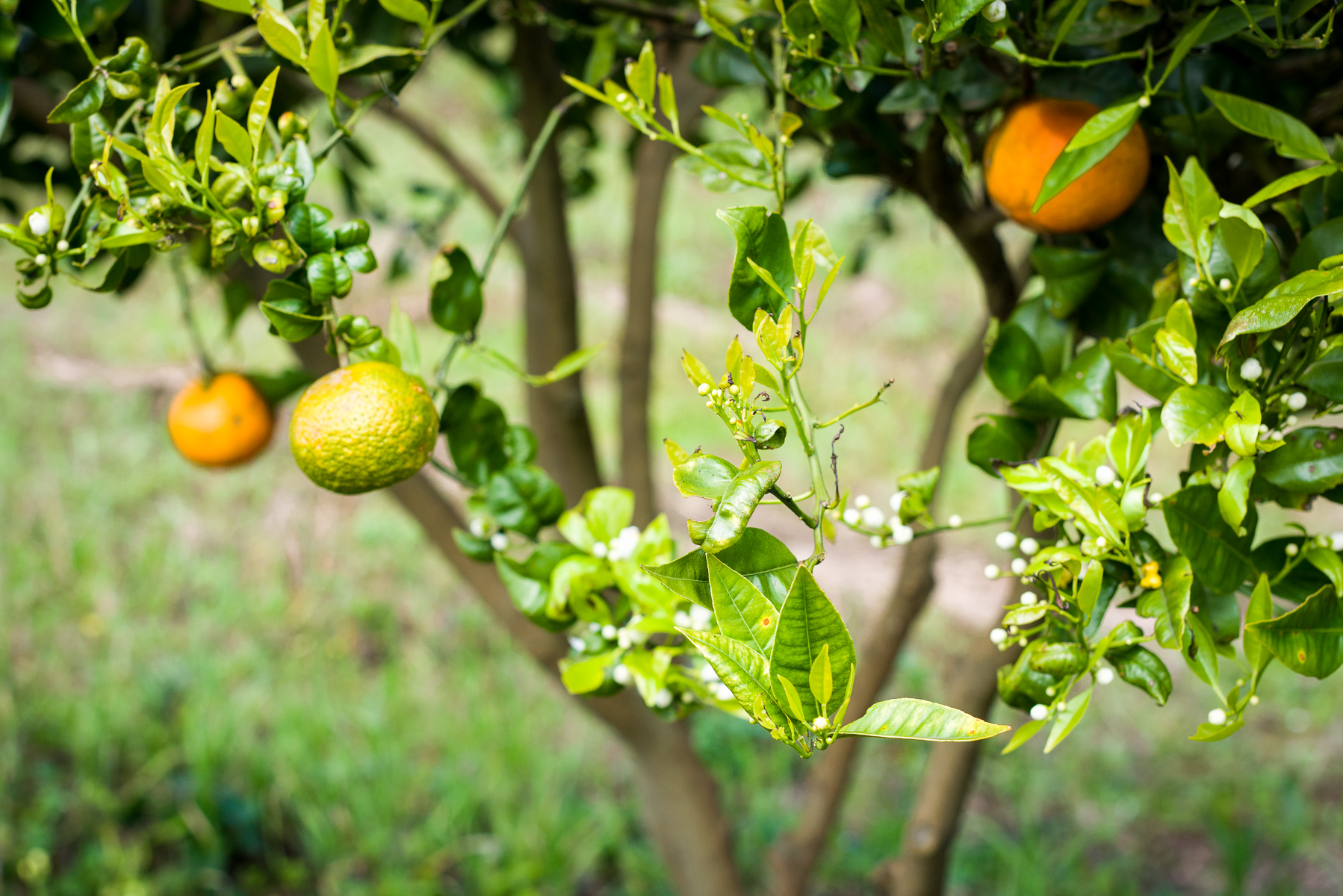
However, just a few weeks ago, HLB (Huanglongbing or citrus greening) was detected in Ventura County for the first time ever. This bacterial disease was first found in the US in Florida in 2005 and has since then had a devastating effect. Once a tree is infected with HLB, it will die. “For many years, we’ve been watching what’s happening in Florida and now the first infected trees have been found here,” says David Holden, owner of Holden Research and Consulting in Ventura County.
Quarantine
One tree infected with HLB was found in Santa Paula three weeks ago and that’s when the California Department of Food & Agriculture declared a quarantine. The detection requires a mandatory five-mile radius quarantine area around the find site to restrict the movement of citrus fruit, trees, and related plant material. Since the first detection, the number of trees infected has slowly expanded. On a positive note, the infected trees have all been found within city limits and backyards. “No commercially grown tree has been infected,” said Holden. “However, in California the number of trees planted in backyards equals the number of trees commercially grown.” In other words, many residents grow citrus trees. As a result of HLB detection, about 8,600 acres of citrus are now in quarantine.
During the first few days of quarantine, Ventura County was harvesting the last lemons of this part of the season. “Typically, we don’t harvest between late October and mid-January,” said Holden. Those last lemons that were harvested during quarantine were only able to leave the farms after having been treated for the pest. Growers were forced to mitigate the risk of spreading the disease by running the fruit over a grate system that sheds the leaves. In addition, an approved insecticide in the form of a pre-harvest spray had to be applied. “It is important to get rid of any material that could spread the disease and leaves are the big concern,” said Holden. He has never found the disease on the fruit itself.
No sense of panic
HLB is spread by a pest called Asian citrus psyllid (ACP) that feeds on the tree leaves. ACP first showed up in California about ten years ago. “Since then, we’ve been very pro-active and successful in keeping ACP down,” mentioned Holden. Florida’s citrus industry has been destroyed by HLB. As an example, the state’s orange production is less than half of what it used to be. How scared are California citrus growers? “First of all, our climate is very different,” said Holden. “Florida is humid and wet while California doesn’t have a tropical climate. We have different seasons with warm as well as cold weather. When it comes to ACP and HLB, I believe California has a slow-motion effect compared to Florida. Even with the detection of HLB, there hasn’t been any dread or panic in the industry. We’re not scared, but we will have to make some changes in the way we do things,” he finished.
Source - https://www.freshplaza.com