At 2 a.m. last Thursday, owner Norah Lake and her work crew at Sweetland, a 12-acre fruit and vegetable farm in Norwich, were in the orchard, dousing apple, plum and pear trees from a network of irrigation pumps.
They hoped encasing the orchard trees in ice might protect their delicate blossoms and young fruit.
Branches bent under the weight of the accumulating ice. Some plum trees split in half.
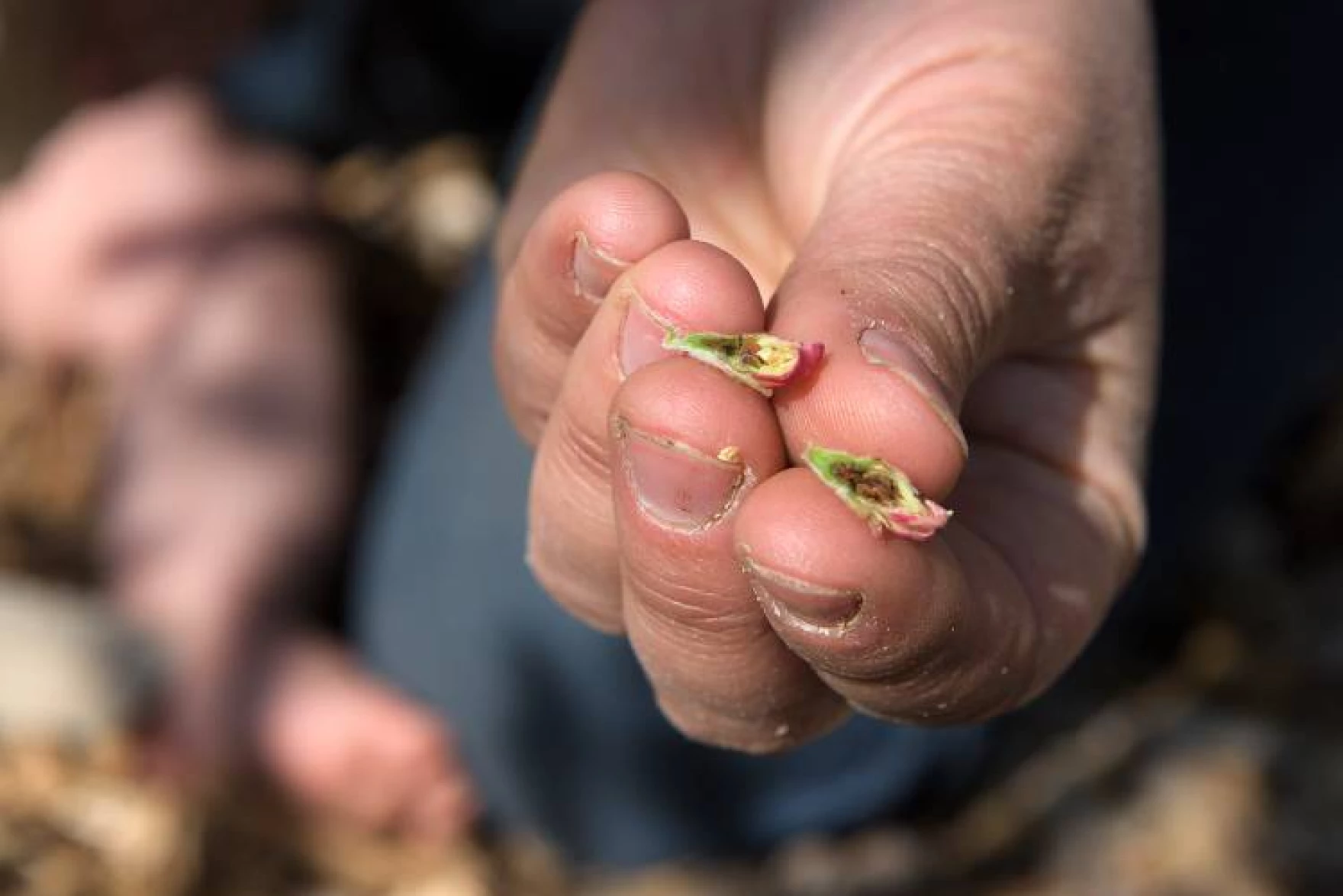
But despite the overnight effort, which had all hands on deck and drew in help from neighbors, Sweetland lost most of its fruits for the season.
“While frost protection by irrigating is a tried-and-true technique for moderate frosts, this event was just too cold to save the crop,” owner Norah Lake said in an email update to the roughly 350 members of the farm’s community supported agriculture, or CSA, program. CSA members buy produce in advance so farmers have money to purchase materials at the beginning of a season.
“Despite constant attention throughout the night, by morning the blossoms were turning brown and branches were breaking under the weight of the ice,” Lake wrote. “Neighbors driving by slowed to see what must have been a pretty apocalyptic scene, with trees encased in ice and tired farmers standing by.”
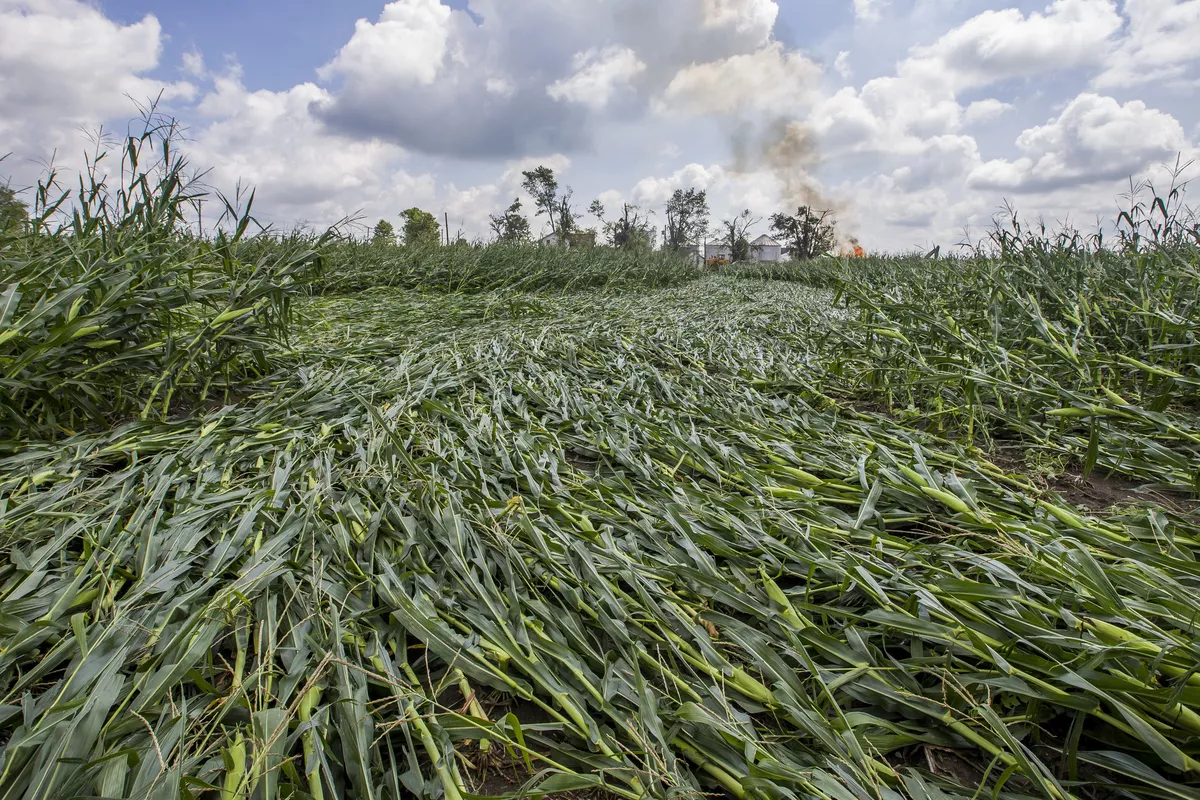
Upper Valley fruit and vegetable growers were hit with a historic freeze last week, with some orchards reporting entire crops lost.
The extent of the damage, which won’t be fully known for a few weeks, is likely to be long-lasting.
Following New Hampshire’s dry April, which was one of the hottest on record (the second hottest in Vermont), cooler-than-usual temperatures settled in this month. Then came the record-setting night of May 17, according to the National Oceanic and Atmospheric Administration. A federal weather station at the Lebanon Municipal Airport registered a low of 23 degrees, an all-time record not just for that date, but for any day within the month of May in the last half-century.
At Riverview Farm in Plainfield, the plummeting temperatures are thought to have destroyed the entire apple crop. The farm’s 1,600 trees and the apples they produce account for more than half of Riverview’s income.
“This loss is substantial,” owner Paul Franklin said.
Conditions recorded at the farm show the temperature was below freezing for nearly eight hours last Wednesday into Thursday morning, Franklin said.
“We were at full bloom in the late varieties and petal fall or some small apples on some of the early varieties,” he said. “But that didn’t seem to make any difference. They couldn’t withstand the cold.”
The extent to which farms that sustained losses will be eligible for financial help remains to be seen, a news release from the Vermont Agency of Agriculture this week said.
“While crop insurance is available for apples, generally 30 cents per dollar lost, it won’t be clear how that will play out for months,” Franklin, of Riverview Farm, said.
Like other orchards, Riverview and Sweetland are both hoping to supplement what they lost in their orchards with fruit grown elsewhere in the region. Business doesn’t stop after a single night of severe losses. Their on-site farm stands will be open as the farms keep plodding through the growing season.
With a perennial crop, care has to continually be given to the plants, even after they’ve failed in spring.
“So in some ways, it’s business as usual out there in the orchard,” Lake said. “We’ll still maintain scouting for pests, keeping the rows weeded. But as spring continues and a lot of the trees in both the cultivated orchards and the forest start to push out new leaves and start to look a little more normal, it may be easy to forget this happened.”
The deer fencing that Sweetland is busy securing around its vegetables — which were largely protected from the cold snap last week by row covering — is now more vital as animals contend with the lack of wild fruit, which was also impacted by the freeze.
“It’s going to be a pretty hungry year, both for humans in the local fruit scene, and wildlife in the woods,” Lake said.
Mitigating the effects of dramatic temperature and precipitation swings is not new to Sweetland. Last summer, drought meant that the farm crew only made a small fraction of their typical second cut of hay.
Sweetland will continue to “engineer the farm in such a way that we can keep going in the face of extreme climate fluctuations,” Lake said. She’s considering getting a bigger pump to ease the impacts of a possible future freeze. But that kind of capital investment costs money, which takes time out of an already stressed schedule to apply for.
As of Monday, Steve Wood, owner of Poverty Lane Orchards in Lebanon, was holding out hope on the fate of his apple crop. He was planning to wait a few more days before assessing the damage.
“I’ve been at this for a long time, and I’ve always been amazed at these creatures’ ability to just say, ‘Guess what?’ ” Wood said about the resilience of his trees. “I get in trouble for talking to them while I’m pruning. I have a lot of respect for these things.”
But still, “unequivocally, something really severe happened last week,” he said. “Something has seriously been lost here.”
Source - https://www.nhpr.org