

Diseases, an insect and a weed, all which have the potential to cause severe crop losses showed up — some for the first time — in northeast North Dakota fields during the 2022 growing season.
Hessian fly, an insect, was found in Cavalier County wheat fields, there was a waterhemp infestation in a field in Cavalier County, Verticillium wilt was suspected in fields in Cavalier, Pembina and Rolette counties, and sudden death syndrome, a fungus, was confirmed in Cavalier County soybean fields.
Sudden death syndrome, caused by the fusarium fungus, is a soilborne disease that once is in the soil, stays there, said Anitha Chirumamilla, Langdon Research Extension Center cropping systems specialist.
The disease first was found in Richland County, North Dakota, in 2017, then in Cavalier County in 2019, and again in the same Cavalier County field in 2022.
It also has been found in other soybean states, including Illinois, Iowa and Minnesota.
“It is a very serious problem,” Chirumamilla said. “I think it is only a matter of time until we find some more fields.”
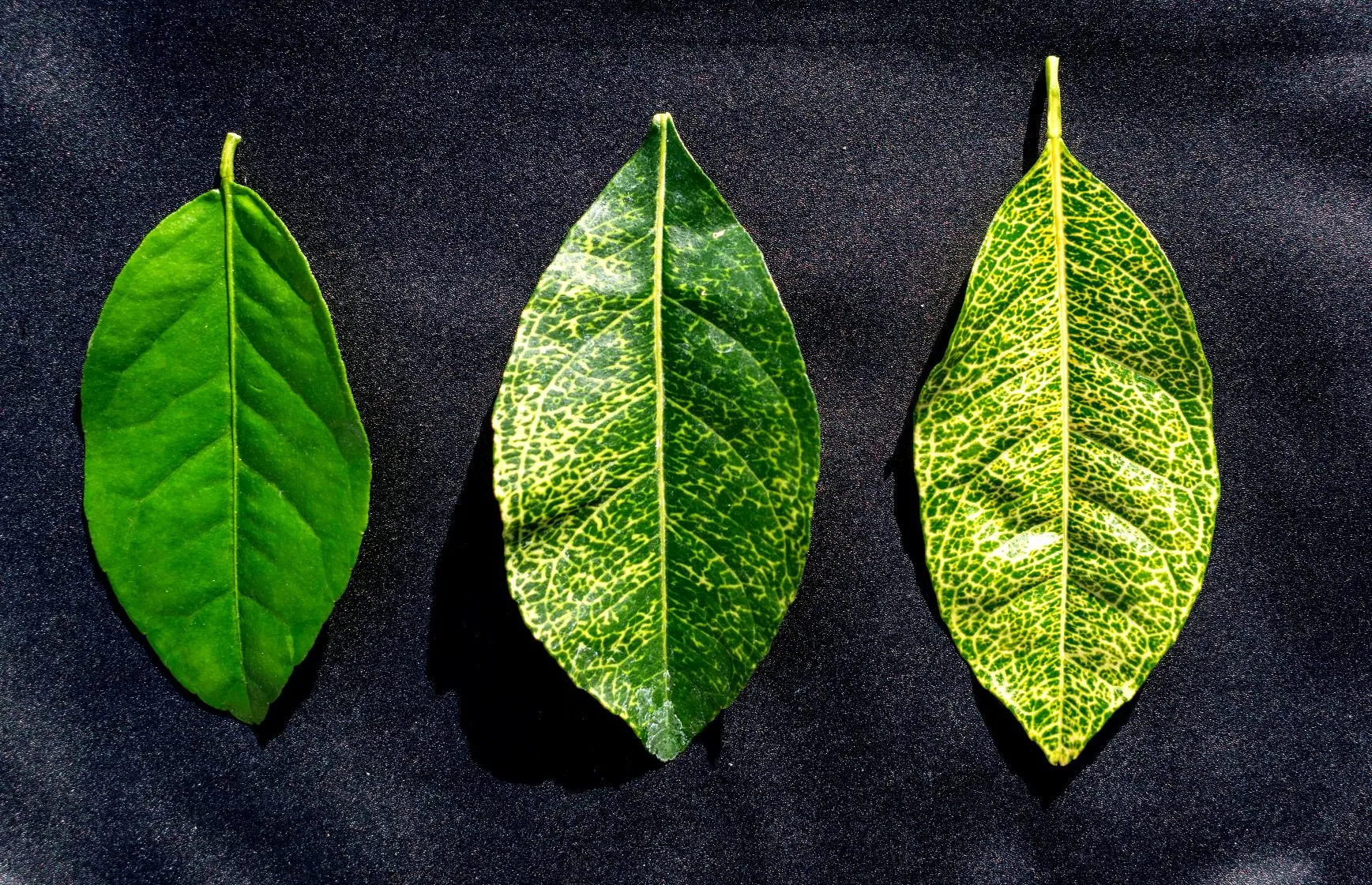
Plants that have sudden death syndrome, which typically affects the roots in the early stages of the soybean plant’s development, do not exhibit symptoms early on, but as the plant matures, it shows up in the leaves, Chirumamilla said.
Depending on the stage of the plant’s development, sudden death syndrome can range from reducing the size of the seeds the plant produces to killing the soybeans, she said.
If the disease develops early in the season, it may result in aborted flowers and young pods, which will result in significant yield loss, according to the Minnesota Department of Agriculture. The later in the season sudden death syndrome occurs, the less the impact the disease will have on final yields, the agriculture department said.
Sudden death syndrome often is found in conjunction with soybean cyst nematodes, and when that happens, losses will be heavy, Chirumamilla said.
There is no “rescue” treatment of sudden death syndrome in soybeans.
“All we can do is preventative,” Chirumamilla said. “The most important factor is crop rotation, and there are some seed treatments that could work on the disease.”
Initial testing for Verticillium wilt, another soilborne crop disease, was positive in samples that were taken in 2022 in Pembina, Cavalier and Rolette counties, said Venkat Chapara, Langdon Research Extension Center plant pathologist. Koch’s postulate tests now are being conducted at the North Dakota State University greenhouse to definitely determine whether the disease is Verticillium wilt.
Chapara is pretty sure it is because of the tests he conducted and the symptoms, which are similar to those he learned about during a workshop, held in Canada, that he attended.
No treatment is available to combat Verticillium wilt, Chapara said.
“The only thing we tell the grower is to extend the rotation to three to four years,” he said.
Farmers also need to be vigilant about scouting their fields for water hemp, which after not being found in the county since 2015, showed up again this year in the headlands and low spots of a Cavalier County field pea field, Chirumamilla said.
It’s unknown how the water hemp seed got into the field, but it may have been carried in on equipment because it was spread throughout the field, she said.
Growers should make sure they clean their equipment before moving to another field to prevent the weed from spreading.
Besides rotating their crops, farmers can use herbicides to control water hemp. If they find it in small grains, they should choose another mode of action besides glyphosate because water hemp is resistant to that.
For the first time, there were Hessian flies in Cavalier wheat fields, this growing season, Chirumamilla said. The insect was found in the majority of the county’s fields and in northwest Minnesota.
The best control for all four of the diseases, insects and weeds found this year in the county is good crop rotation, she said. Though it may be tempting to plant the same crop on the same field in succeeding years because prices are attractive, eventually, that could cost farmers’ money.
“In the long run, you’ll start feeling pain,” Chirumamilla said.
Source - https://www.agweek.com










