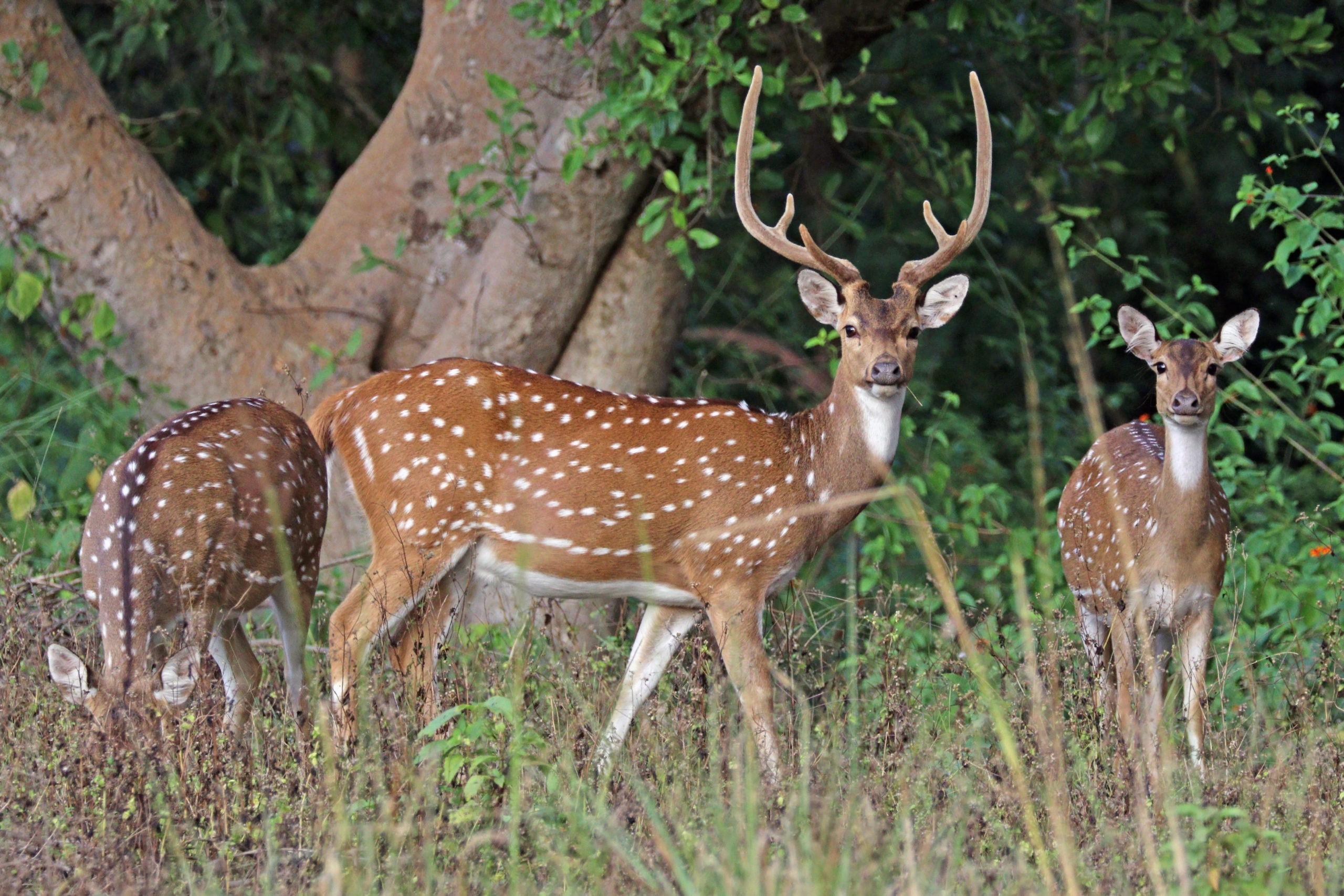
For some, deer are synonymous with the tranquil beauty of the countryside.
However, for others, deer are a menace.
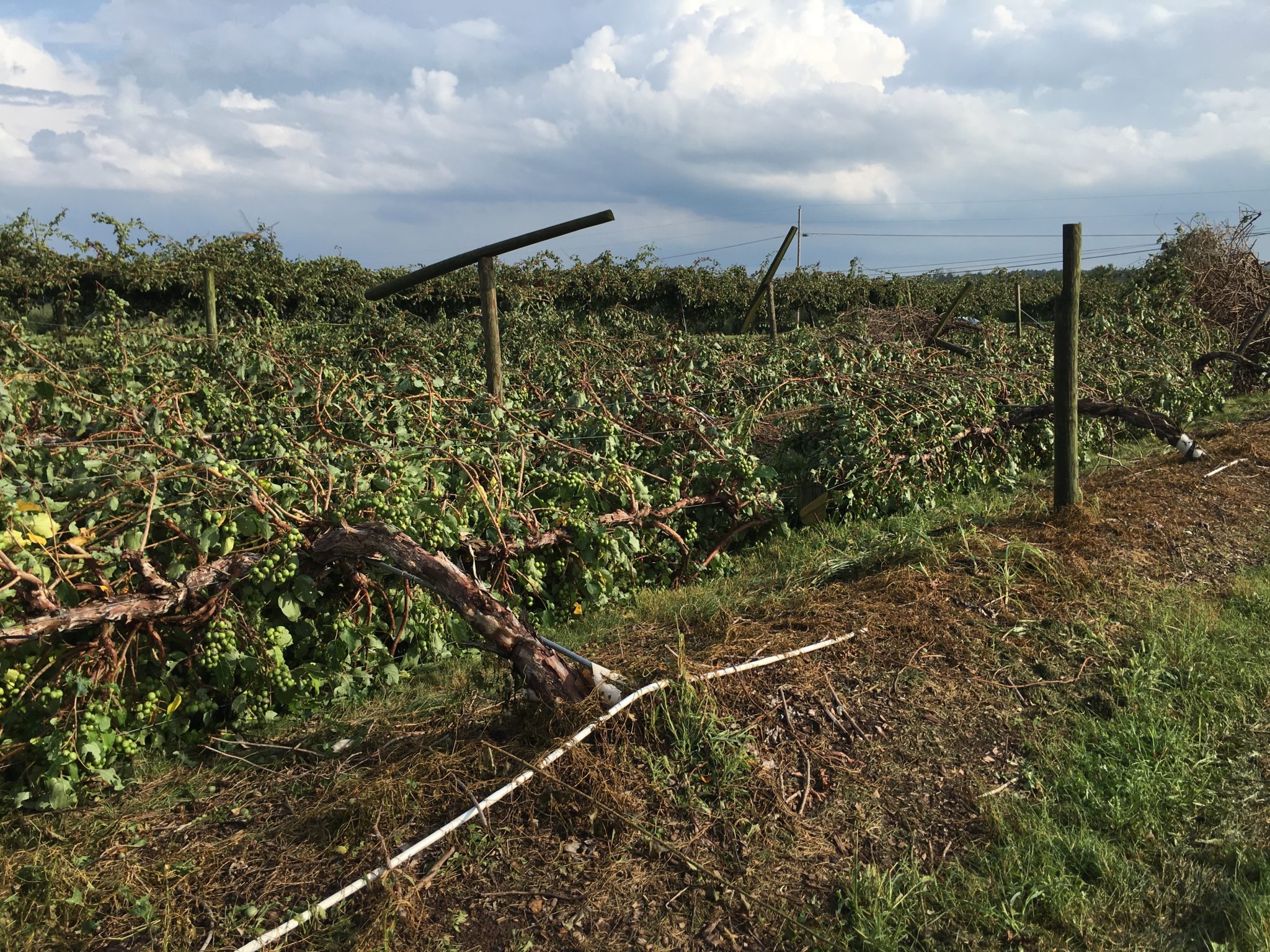
Annually, deer are responsible for significant losses in the agricultural sector. Deer are responsible for 94% of wildlife-related crop damage.
Corn, soybeans, and alfalfa are among the most affected crops.
As suburban areas expand into traditional deer habitats, encounters with these animals have become more frequent.
Deer also pose a risk to people through traffic accidents.
Homeowners, too, report significant damage to landscaping, ornamental plants, and gardens.
"If you grow herbaceous plants like perennials or annual plants like a Hosta, Hostas are like ice cream for deer," says John Loegering, professor of wildlife ecology at the University of Minnesota. "Those are choice pieces of calories and nutrition for a hungry herbivore."
So how do you know if you have fallen victim to damage? Deer only have front teeth on the bottom of their mouth, so when they get ahold of their food they have to rip and tear at it.
So if people notice any torn or ragged edges on your plants or trees, odds are there are deer that are helping themselves to your landscaping.
If you do notice deer damage on your property, one thing experts recommend is getting a motion-activated sprinkler to scare off the deer in a safe and humane way.
Source - https://www.wxow.com