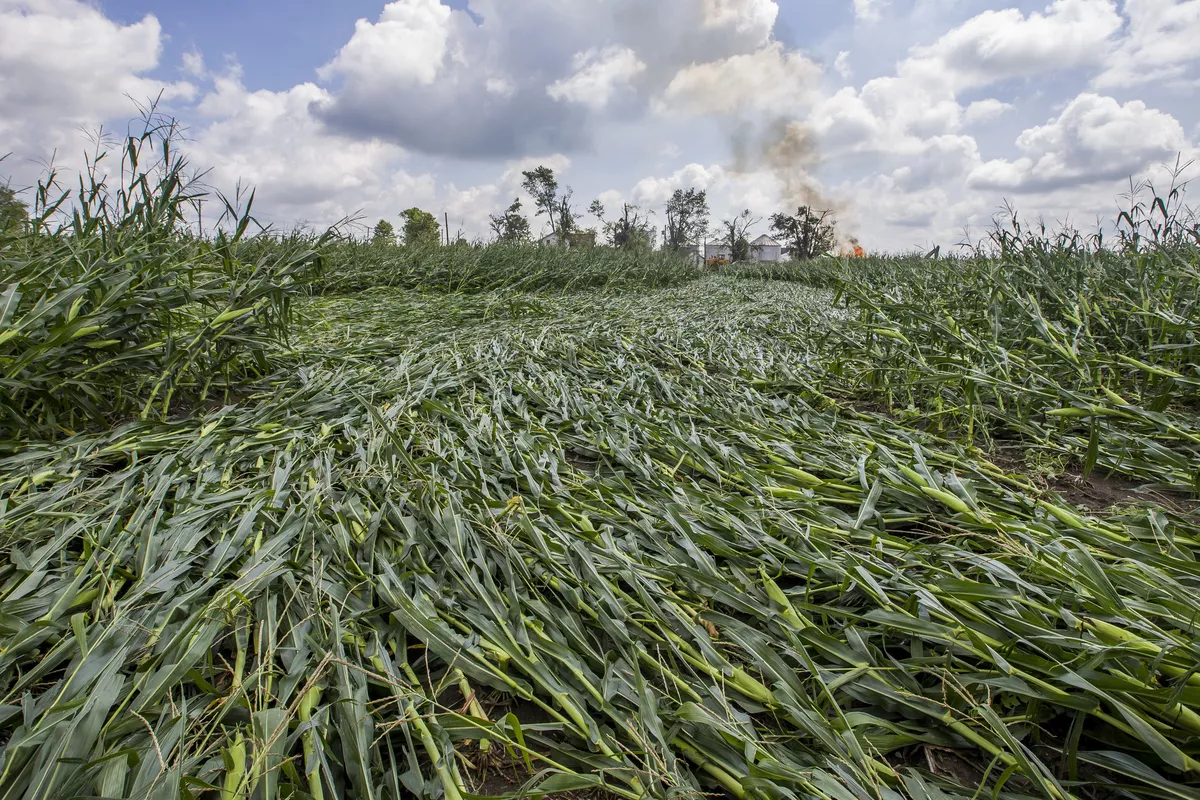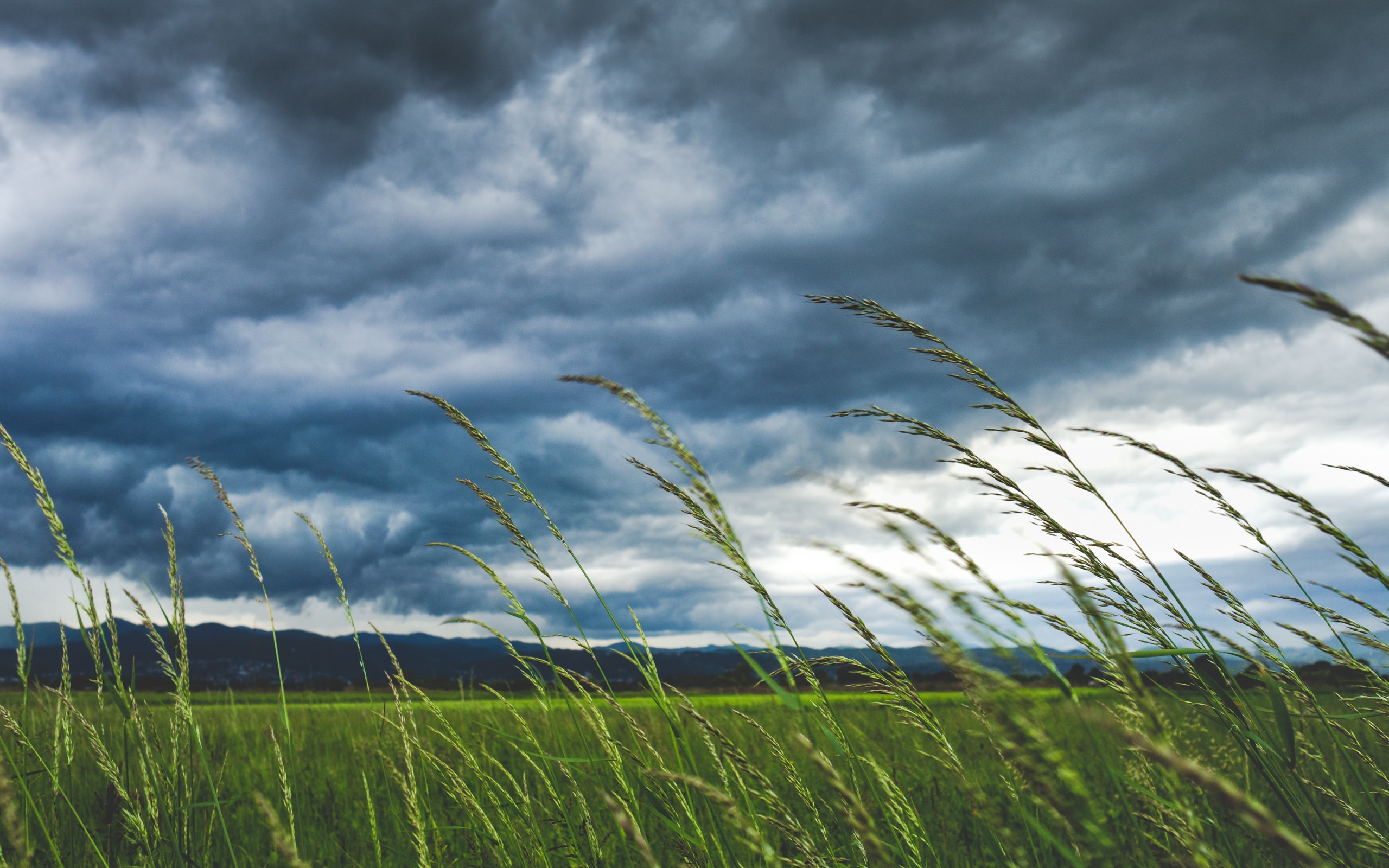
Despite the peak of snowmelt in Utah not yet being reached, farmers are already experiencing the negative impacts of excessive moisture, putting crops at risk and potentially leading to diminished and delayed harvests.
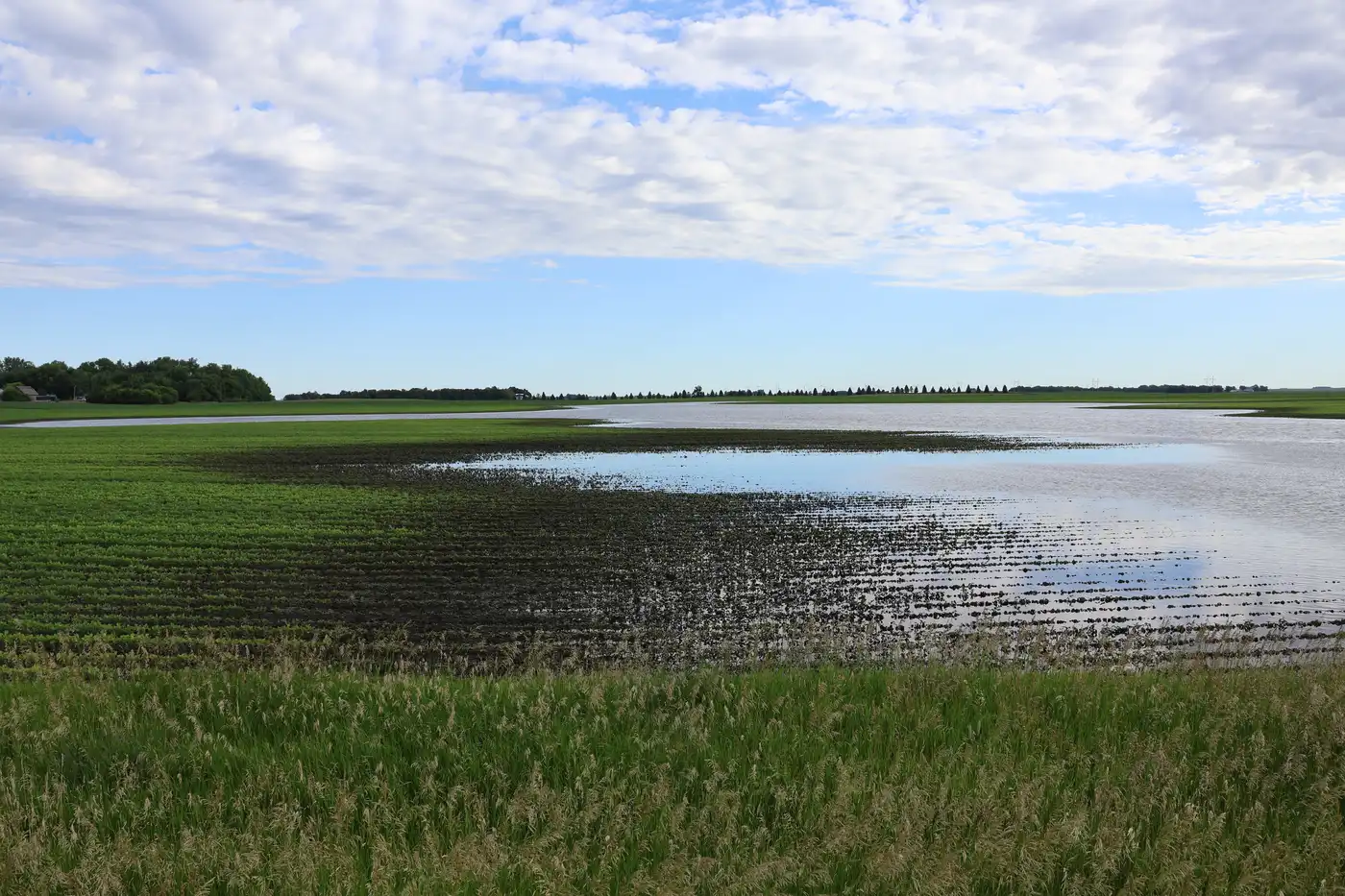
Many fields are soggy, muddy or partially under water - conditions that have delayed seeding by many weeks for some crops.
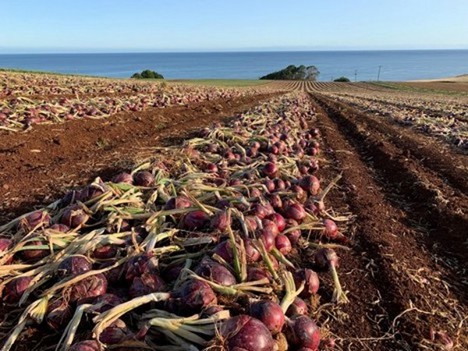
Onions are the biggest concern right now.
"It's just too wet to plant onions," said Ron Gibson, sixth-generation farmer and owner of Gibson's Green Acres in Ogden.
Due to his inability to plant onion seeds, the crop is now approximately one month behind schedule, and the success of getting the seeds in the ground relies on the unpredictable conditions brought by Mother Nature.
Gibson's field is at risk of flooding as it lies steps from the swelling Weber River, and if there's a late frost, that can further complicate matters.
Delays in seeding are not unique to Utah. All over the west, farmland is under water - especially in places like California where torrential rains pummeled fields and crops.
"There definitely are going to be a lot less onions growing in the United States," said Gibson.
Across from Gibson's farm Kenny McFarland, owner of McFarland Family Farms, said the timing of planting affects the timing of when produce can make it to stores and farmers markets this summer.
Like Gibson, he's about a month late on planting onions and his sweet corn is about a week late too.
"We are very concerned about getting seeds in the ground to have sweet corn for bar-b-ques on July 24," he said.
While he's certain this year's supply of produce will be diminished or late, he's not sure what that will do to prices at the grocery store or farmers markets.
McFarland suspects that with less produce on store shelves, higher retail prices will follow although he's committed to keeping his prices affordable for Utahns.
All this leads to a lot of stress for farmers who've become accustomed to challenges caused by erratic climate conditions.
Last year, there was a concern about drought and water scarcity, while this year the concern is the opposite - too much water.
Despite all the concerns, McFarland is trying to stay optimistic, remembering words from a fellow farmer and friend.
"He said we need to be no excuse farmers, just get it done," he said.
The Utah Farm Bureau Federation issued this statement about the challenges at Utah farms:
“Farmers and ranchers throughout Utah are very grateful for the abundance of water and snow that came this winter, which allows local agriculture to thrive in our state. Many have prayed for this and attribute the precipitation levels as an answer to prayer. Regardless, it is a blessing to our state. But there are consequences of this much precipitation that farmers are having to deal with at this time. The sheer amount of snow and wet conditions have caused many ranchers throughout the state to see increased losses of calves – in some cases, three times more than normal –, delays in getting sheep sheared or finding grazing lands with enough forage or even lack of snow so that animals can graze. This challenge highlights the need for growing alfalfa and other forage crops locally, which can be stored and used in instances when fields are not able to be grazed. These crops rebound nicely from drought when water is available, and will be a benefit to our state.
Crops ranging from onions and sweet corn to cherries and peaches will be delayed because of the colder temperatures. This all highlights the vulnerability and need of local agriculture and the need to protect the vital, diminishing growing areas available in Utah. The ‘Miracle of Agriculture’ is that we can continue to produce much of what we need to feed ourselves and others around the world. Utah’s farmers and ranchers are an optimistic group, and will surely succeed in this coming growing year once we start getting warmer temperatures.”
Source - https://kjzz.com