California’s agricultural sector is the nation’s largest, but water is a concern
The industry employs over 420,000 people and generates more than $50 billion in annual revenue. Farmers have steadily improved productivity, shifting to crops that generate more profit and jobs per unit of water—like fruits, nuts, and vegetables—while maintaining a sizeable share of the nation’s dairy and beef cattle production.
However, California farms rely heavily on irrigation, and water availability is an enduring concern despite ongoing improvements in irrigation efficiency. Climatic and regulatory constraints have limited surface water in recent decades. Chronic overpumping of groundwater has dried up wells and damaged infrastructure, prompting the enactment of the Sustainable Groundwater Management Act (SGMA) in 2014.
A fast-paced drought—fueled by climate change—is constraining water availability and increasing crop water demands
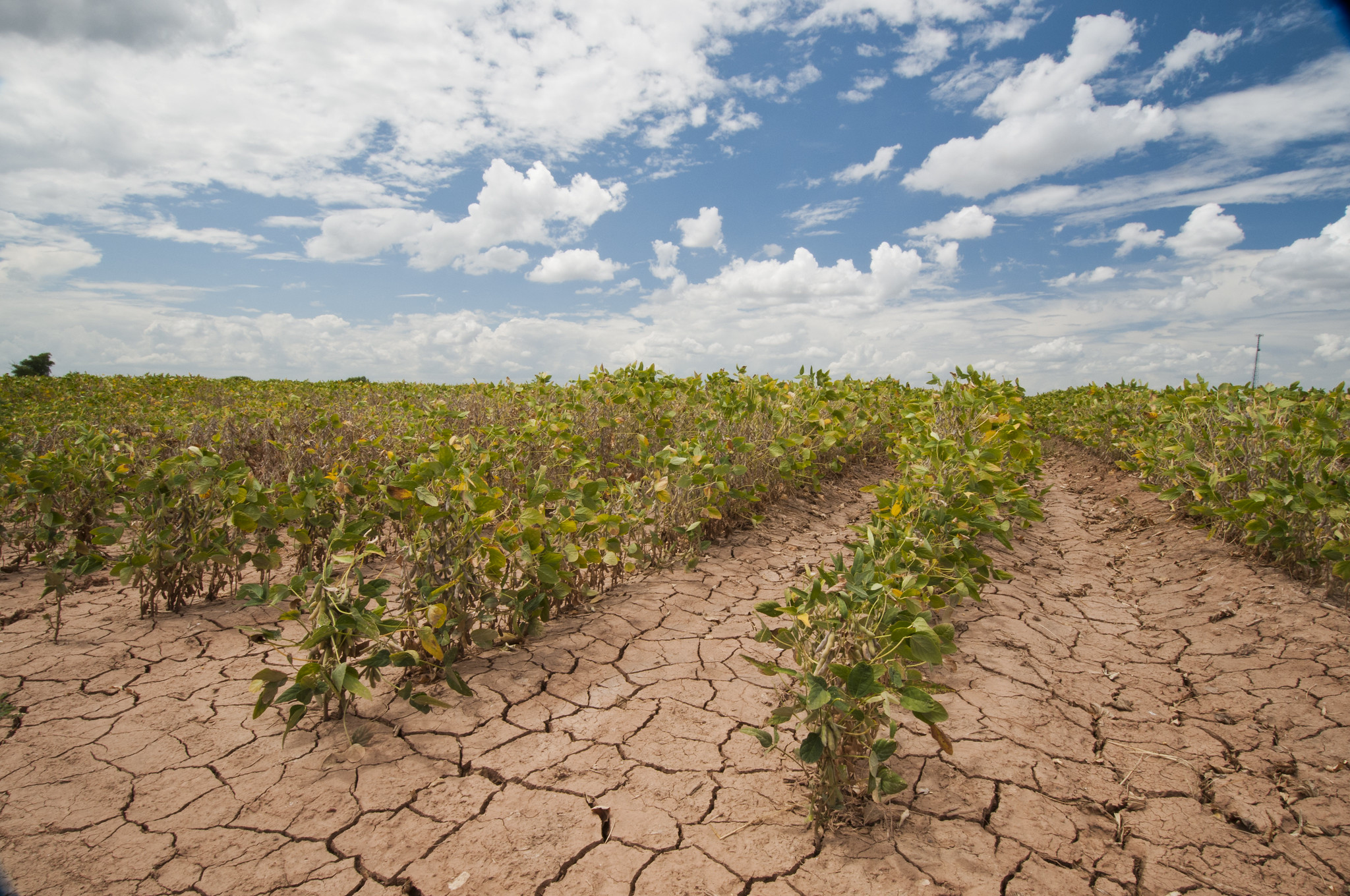
Climate change is making California’s variable climate even more volatile, with increasingly dramatic swings between wet and dry conditions—or “precipitation whiplash.” At the same time, California is experiencing a megadrought along with much of the West, with chronic low precipitation and higher temperatures.
The 2020 and 2021 water years constituted the second-driest two-year period since records began in 1895, and the driest since the 1976–77 drought. We estimate that unusually warm temperatures in 2021—nearly 3.5 degrees Fahrenheit above the 20th-century average—created an additional 3–4 inches of evaporative demand, or about an 8 percent increase in crop water demands.
Drought is raising costs and reducing farm revenue
- Drought reduced surface water deliveries to farms in 2021. Low storage levels and water right curtailments—cutbacks introduced to protect other users and the environment—reduced local deliveries. Allocations from the Central Valley Project and State Water Project dropped to zero for some growers. Total surface water deliveries for Central Valley and North Coast farms dropped by about 5.5 million acre-feet (maf) in 2021 (41% below the 2002–16 average).
- Surface water shortages increased groundwater pumping and other production costs. To lessen drought impacts, farmers increased pumping by nearly 4.2 maf compared to 2002–16, which was not enough to replace all lost surface water. Not all farmers have groundwater access or pumping infrastructure to make up the difference. Net water shortages were about 1.4 maf—or 6.3 percent of normal water use (see figure below). Production costs rose: higher pumping raised farmers’ energy bills by about $184 million, some farmers purchased water from others willing to use less, and animal feed costs rose as well.
- Water shortages led to idled land and “deficit irrigation,” causing economic impacts. Farmers adapt to water shortages by leaving some irrigated cropland unplanted, also known as idling or fallowing land. To minimize revenue losses, they usually idle less profitable crops. Farmers regularly fallow some land for a range of reasons. We estimate that total land idled because of the 2021 drought was 395,000 acres over and above land already fallowed for other reasons, with the majority in the Sacramento Valley. Some of that land was fallowed to sell water to other users.
To stretch available supplies, farmers may also reduce watering below crop water needs, which is known as “deficit irrigation.” Reduced irrigation can lower crop yields. In the Russian River Basin, where wine grapes are a major crop, yield declines from drought—along with crop damage from wildfire smoke—decreased revenues by $148 million (almost 24%). Across impacted regions, crop revenue losses and increased pumping costs were estimated at $1.1 billion, with roughly 8,700 full- and part-time jobs lost.
- Crop revenue losses had broad economic impacts. Crop losses do not occur in a vacuum. For instance, numerous upstream sectors supply goods and services to agriculture. Taking this into account, the drought’s economic impact is estimated at $1.7 billion in revenue losses and 14,600 in lost jobs.
To date, the drought has hit the Sacramento and North Coast regions hardest
While the statewide economic impacts were modest in 2021, costs were significant in some areas as a share of the local agricultural economy. The San Joaquin Valley was severely impacted during the last drought, but extremely dry conditions in the Sacramento Valley and North Coast regions—normally water-rich areas—meant these regions were hit hardest. In 2021, surface water deliveries in the Sacramento Valley were lower than in any year of the 2012–16 drought. The Sacramento Valley lost about 11 percent of crop revenues, and the Russian River about 24 percent. In contrast, the impact in the San Joaquin River Basin and the Tulare Lake Basin in 2021 to date has been relatively small (about 1% and 2%, respectively). As California enters a third year of severe drought in 2022, and water cutbacks increase, these impacts will intensify and spread.
The drought has raised challenges for SGMA implementation
This drought coincided with the early days of SGMA implementation. The law requires local groundwater users to avoid significant undesirable results from pumping, yet nearly 1,000 households reported dry or compromised wells in 2021 because of increased pumping and reduced natural recharge (see figure below). Subsidence also increased in 2021, though at a lower rate than in the last drought.
Local and state agencies have been faster to respond to dry domestic wells than in the last drought. But many of the initial SGMA plans in the San Joaquin Valley failed to adequately address the undesirable impacts of overpumping—gaps that they must quickly fix to avoid state intervention. As a positive sign, some local agencies in this region have begun the difficult task of implementing restrictions on groundwater pumping—an important tool for managing demand.
A number of policy changes could help California’s farmers adapt
Some actions could help California’s farmers lessen drought impacts, adapt to the changing climate, and ease the transition to groundwater sustainability.
- Address the undesirable impacts of increased pumping. To avoid impacts like dry wells and subsidence, a combination of local pumping restrictions and mitigation plans will likely yield the best outcomes. For instance, local groundwater agencies can incentivize farmers to avoid pumping in areas where these impacts are likely. Paying for alternative solutions—such as replacing at-risk wells—may enable farmers to continue using groundwater and maintain local economic activity.
- Accelerate demand management, facilitate trading, and repurpose land. Reducing farm water use is one of the best ways to increase drought resilience. Building in more flexibility to manage demand during drought—for instance, by rethinking the mix of perennial and annual crops—can help manage risk. Establishing groundwater allocations—caps on how much each water user may pump—will enable users to plan ahead. Improving access to water use information will be key, because both measurement and allocations are prerequisites for markets. Transparent local groundwater markets and surface water trading will significantly reduce economic impacts. State and federal agencies can provide critical technical and financial support—including funding incentive programs for strategic fallowing and creative land repurposing that provides benefits to local communities and the environment.
- Improve water storage. Getting more water into the ground can help recharge groundwater basinsand build up critical reserves. Robust groundwater allocation and monitoring systems will facilitate the expansion of groundwater banks—recharge projects that store water on behalf of specific parties. Increasing recharge will require upgrades to storage and conveyance infrastructure—as well as operational and regulatory practices, including improving reservoir operations to get more stored surface water into the ground in the fall, bolstering adoption of forecast-informed reservoir operations (FIRO), and expediting permitting for recharge projects.
Source - https://www.ppic.org