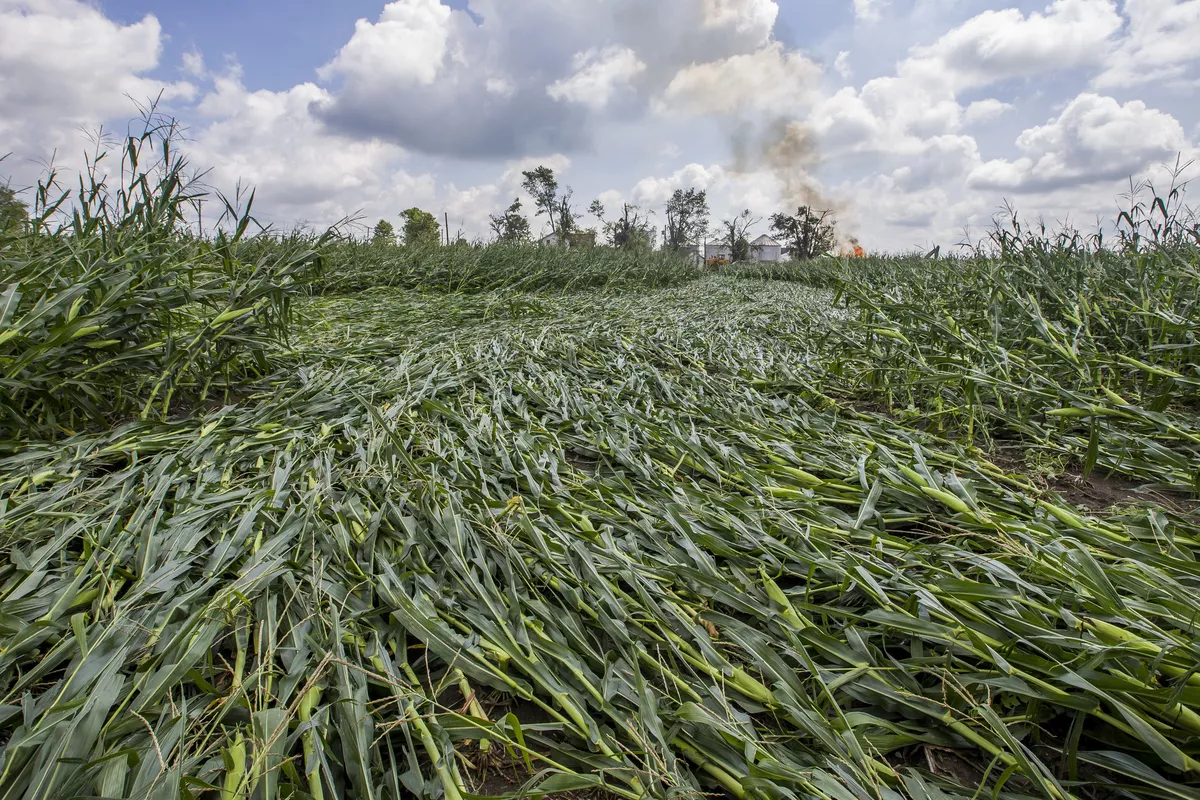
June was one of the driest months on record for the state of Illinois, a time when farmers like David Meiss need water to help their corn and soybean crops sprout from the earth early in the growing cycle.
“Here you are at the end of June, with all the money and most of the work [done] — other than the harvest part in a crop — and you are seeing it wither away,” said Meiss.
The drought conditions occurred as Meiss’s initial costs for seed and fertilizer were more expensive than ever. “We were running out of gas, literally,” he said.
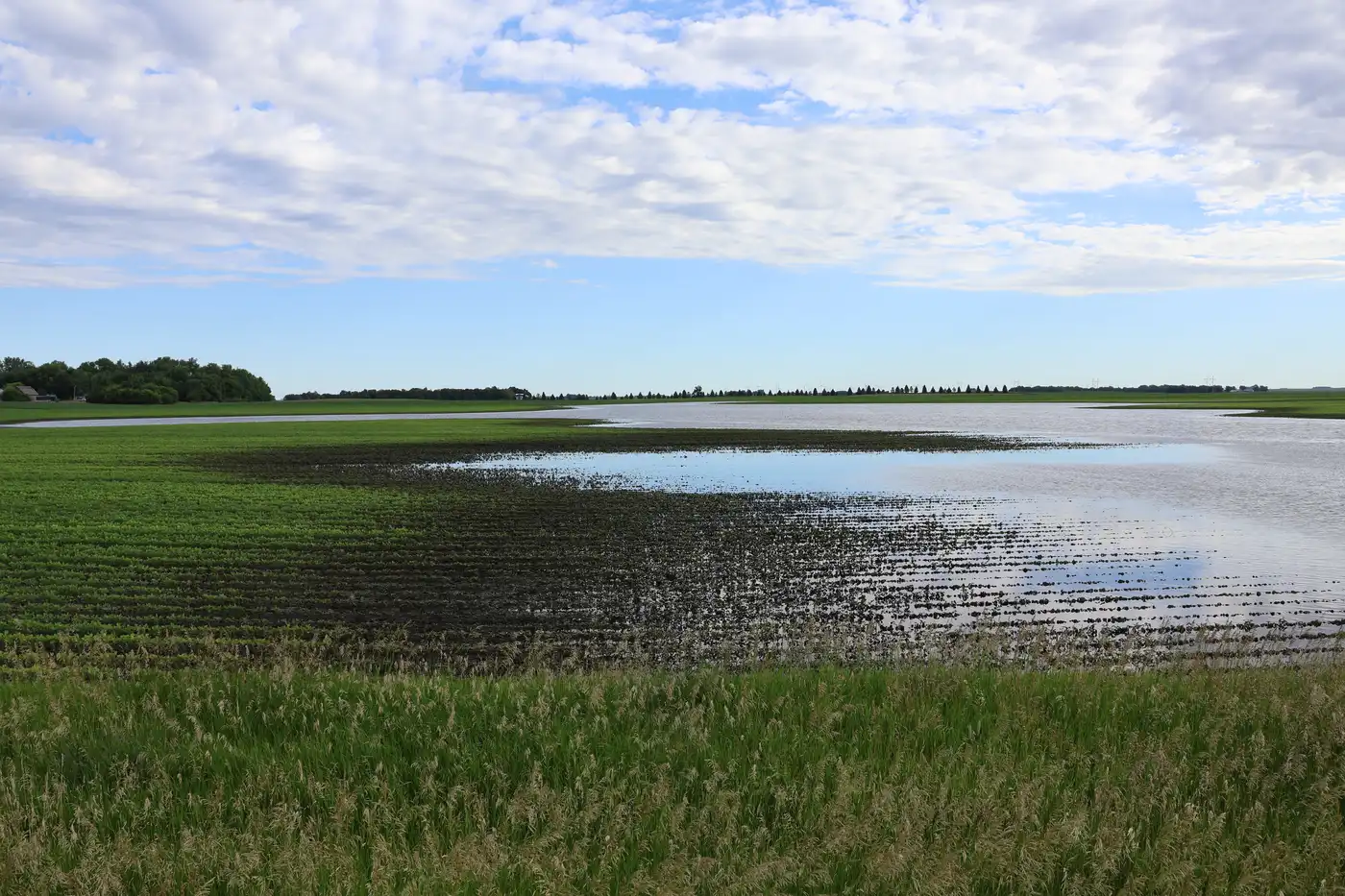
Then the weather changed and so did conditions for his family farm in Gridley, which went from almost no rainfall to 18 centimeters of precipitation in just three weeks. “That’s unheard of to get that much rain,” Meiss explained to VOA during an interview in one of the sheds on his farm.
But as he inspects the crops still growing in his fields under the July sun, Meiss worries the damage might already be done. “We know we’ve got some damage, some yield loss, and some of the crop is not where we had intended it to be, being one of the most expensive crops, or the most expensive crop we’ve ever put in the ground. On a year like this, we need more revenue than we normally do.”
While drought conditions at home are fueling uncertainty in the U.S. agricultural sector, conflict abroad could give farmers like Meiss an unexpected income boost this year.
As the war in Ukraine drags on, Russia terminated a 2022 U.N. brokered agreement, which allowed commodities to flow through Ukrainian ports and shipping channels in the Black Sea.
The deal allowed nearly 33 million metric tons of grain to leave Ukraine in the last year, with a large volume of it reaching poorer countries. Interruptions to the flow of wheat and corn are stoking new fears of food shortages in countries where it’s needed most to prevent starvation.
“It’s important to the market because Russia and Ukraine account for about 20% of the world’s wheat and corn exports, so if some of that supply is shut off, there is going to be a shifting balance of trade demand and potentially some that might benefit the U.S. exporter,” said Joe Camp, director of managed programs for CommStock Investments, an agriculture risk management firm. “Now the focus is shifting back towards demand wondering if the U.S. export trade can benefit from some of these trade flows shutting off from some of this key Black Sea region.”
Camp told VOA it could bring other buyers into the marketplace for U.S. supplies. “Ukraine is top supplier of customers like China, and so that will have an impact of what’s ahead in terms of U.S. trade demand.”
“I’ve heard people say that this is going to be good for us eventually in the long run, because our commodity is going to be worth more,” said Meiss, who won’t know the full impact of the drought on his crops until he harvests in September. Regardless of the outcome, he is keenly aware that if demand and prices soar, one man’s gain is another’s loss.
“I think about the humanitarian aspect of it,” Meiss admitted. “People are starving already. Suddenly removing that big a portion of the food supply… it gets alarming and, quite frankly, it’s really quite sad. So I would probably literally gladly trade my increased price if I knew people weren’t starving over something like that.”
Wheat prices are down about 50% from all-time highs during the first month of Russia’s 2022 invasion of Ukraine. Corn prices are also lower this year after reaching a ten year high last April. But prices for both crops are rising as Russia steps up attacks on Ukraine’s Black Sea shipping ports, a key avenue for Ukraine’s crops to reach international markets.
Source - https://www.voanews.com