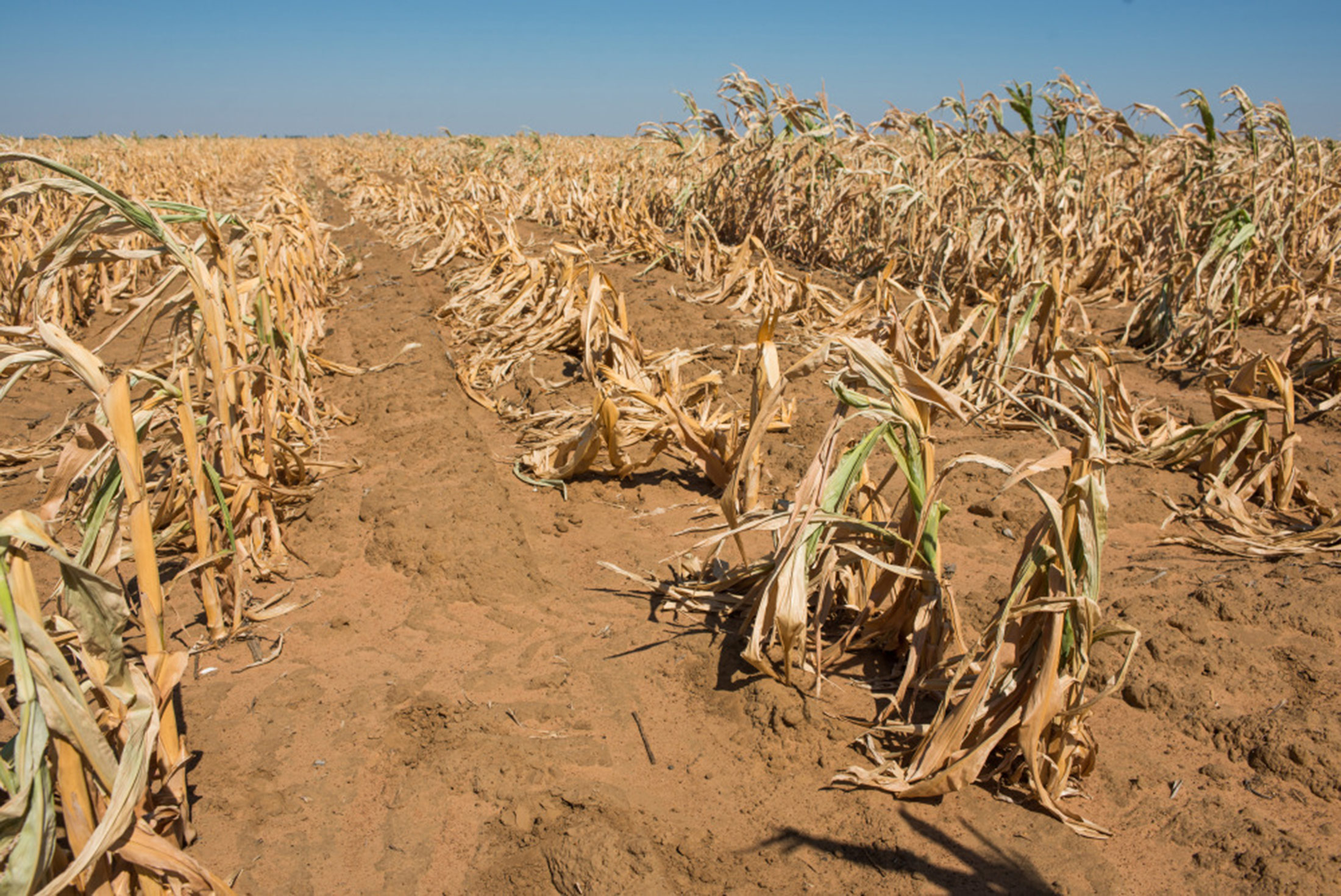
A new EWG investigation shows that drought conditions in Texas triggered more federal crop insurance payments to farmers than any other reason and made up an astounding 43 percent of all crop insurance payments in the state between 2001 and 2022.
And Texas received by far the most drought payments out of all states – over $3 billion more than the next most expensive state, Kansas.
Drought payments in Texas increased by more than 600 percent over the years analyzed by EWG – a period characterized by rapidly accelerating climate change effects. And climate-related extreme heat and drought conditions in the state are expected to continue to worsen, so related crop insurance costs are also very likely to keep rising.
Texas is the most expensive state for total federal Crop Insurance Program payments, too. Farmers there received 14 percent of all crop insurance payments nationally during the 22-year period EWG analyzed.
To analyze crop insurance payments, EWG used data from the Agriculture Department's Risk Management Agency, which we’ve compiled in our Crop Insurance Database.
The huge drought-related payouts underscore why reform of the federal Crop Insurance Program is needed to incentivize farmers to adapt to climate change and become more resilient to extreme weather. This is especially true in climate-vulnerable places like Texas. Reform will ensure their continued ability to farm and to reduce future crop insurance program costs.
As EWG has outlined in the past, the USDA could reform the program to help farmers become more resilient to the changing climate, thereby saving both them and taxpayers money. Basic changes could include reducing insurance subsidies on high-risk land and adjusting how crop insurance premiums are calculated to better reflect extreme weather.
What are crop insurance indemnities?
When either their crop yield or revenue – depending on the type of policy – goes down, a farmer receives a payment, or indemnity.
The total pool of premium money funds the indemnities. On average, taxpayers pay 63 percent of the premiums, while farmers pay 37 percent. So taxpayers foot the bill for most of the money paid out to farmers when they have a decrease in yield or revenue.
The “cause of loss” is the main reason for a reduction in crop yield or revenue that triggers a crop insurance payment. Causes of loss include weather-related triggers like drought but also include events such as loss from crop disease and decreases in crop prices.
Drought in Texas is expensive, and costs keep growing
Drought triggered more payments in Texas by far than any other cause of loss. Farmers there collected more than $9.96 billion for drought between 2001 and 2022 – 43 percent of total state indemnities. The next largest weather-related cause of loss was hail, with $1.9 billion in payments, or eight percent of all indemnities.
Payments for drought in Texas also skyrocketed over time. Between 2001 and 2022, drought indemnities grew by 635 percent – from $261.6 million to $1.9 billion.
The vast majority of drought payments in Texas were for just one crop: cotton. These farmers took in over $6.8 billion in drought payments, or 68 percent of drought payments in the state. Wheat farmers received the next highest amount of drought payments, at $1.68 billion.
Farmers in Texas received more payments for drought than farmers in any other state during the period analyzed by EWG. After Texas, Kansas had the highest drought indemnity total – but at $6.5 billion, it was still nowhere near that of Texas. South Dakota, Iowa and Illinois got the third-, fourth- and fifth-most drought payments. (See Table 1.)
Table 1. Considerably more drought indemnities were sent to farmers in Texas than any other state between 2001 and 2022.
| State | Drought indemnities 2001-2022 | State rank |
|---|---|---|
| Texas | $9,965,857,966 | 1 |
| Kansas | $6,528,541,596 | 2 |
| South Dakota | $4,107,298,847 | 3 |
| Iowa | $4,018,399,221 | 4 |
| Illinois | $3,799,720,456 | 5 |
Source: EWG, from USDA Risk Management Agency, Cause of Loss Historical Data Files
Texas farmers also collected the highest total crop insurance indemnities of any state – over $23.2 billion between 2001 and 2022 – or 14 percent of total indemnities across all states. That means about one in every seven dollars paid to farmers for crop losses went to Texas.
Drought is likely to keep getting worse, and irrigated agriculture isn’t helping
Texan farmers have already been hurt by drought, and intensifying climate change will likely aggravate these conditions. The Fifth National Climate Assessment showed that average annual temperatures in Texas went up 1.5 degrees Fahrenheit between 1900 and 2020.
The assessment predicts that “the number of extremely hot days and the intensity of drought conditions are projected to increase” in Texas by mid-century. This will likely lead to higher Crop Insurance Program costs in the state.
Agricultural irrigation is the largest user of water in Texas. Over 5.5 million acres of farmland are irrigated – 10 percent of all irrigated acres in the entire country. Cotton is grown throughout much of Texas, and about half its acreage is irrigated.
In addition, every year the state produces millions of beef and dairy cows, which are heavy users of water.
Research, including a recent study in Nature, has shown that most of Texas’s aquifers are declining, at least in part because of agricultural irrigation. Estimates show that 24 percent of irrigated farmland in the Ogallala Aquifer might not be farmable by the end of the century because of groundwater depletion.
Severe drought parched Texas in 2022 and 2023, and weather experts do not expect 2024 to be much better. If the harsh conditions persist, demand for scarce water will go up even more.
Drought-associated conditions also trigger crop insurance payments
Although drought was the most expensive cause of loss in Texas, hot wind and heat were also two of the top weather-related payment triggers. These conditions are associated with drought and can exacerbate it. It is very likely that payments for these causes of loss will grow in tandem with rising drought-related costs, as the number of very hot days in Texas continues to increase.
The top five weather-related causes of loss that triggered the largest payments in Texas were drought, hail, hot wind, excess moisture and heat. These five cost over $16.7 billion, or 72 percent of total crop insurance payments in the state. (See Table 2.)
Table 2. The five most expensive weather-related causes of loss in Texas, 2001-2022.
| Top weather-related causes of loss | Texas indemnities 2001-2022 | Percent of total Texas indemnities |
|---|---|---|
| Drought | $9,965,857,966 | 43% |
| Hail | $1,924,433,413 | 8% |
| Hot wind | $1,887,915,769 | 8% |
| Excess moisture | $1,850,461,547 | 8% |
| Heat | $1,129,746,989 | 5% |
| Total top 5 | $16,758,415,683 | 72% |
Source: EWG, from USDA Risk Management Agency, Cause of Loss Historical Data Files
The rapidly accelerating climate crisis is almost certain to increase the frequency and intensity in Texas of extreme weather like drought and heat. These conditions will expand the costs of the program for taxpayers and farmers.
The Government Accountability Office has also found that the program benefits high-income policyholders the most.
The Crop Insurance Program needs reform to help farmers adapt to changing climate conditions and to reduce program costs.
Source - www.ewg.org