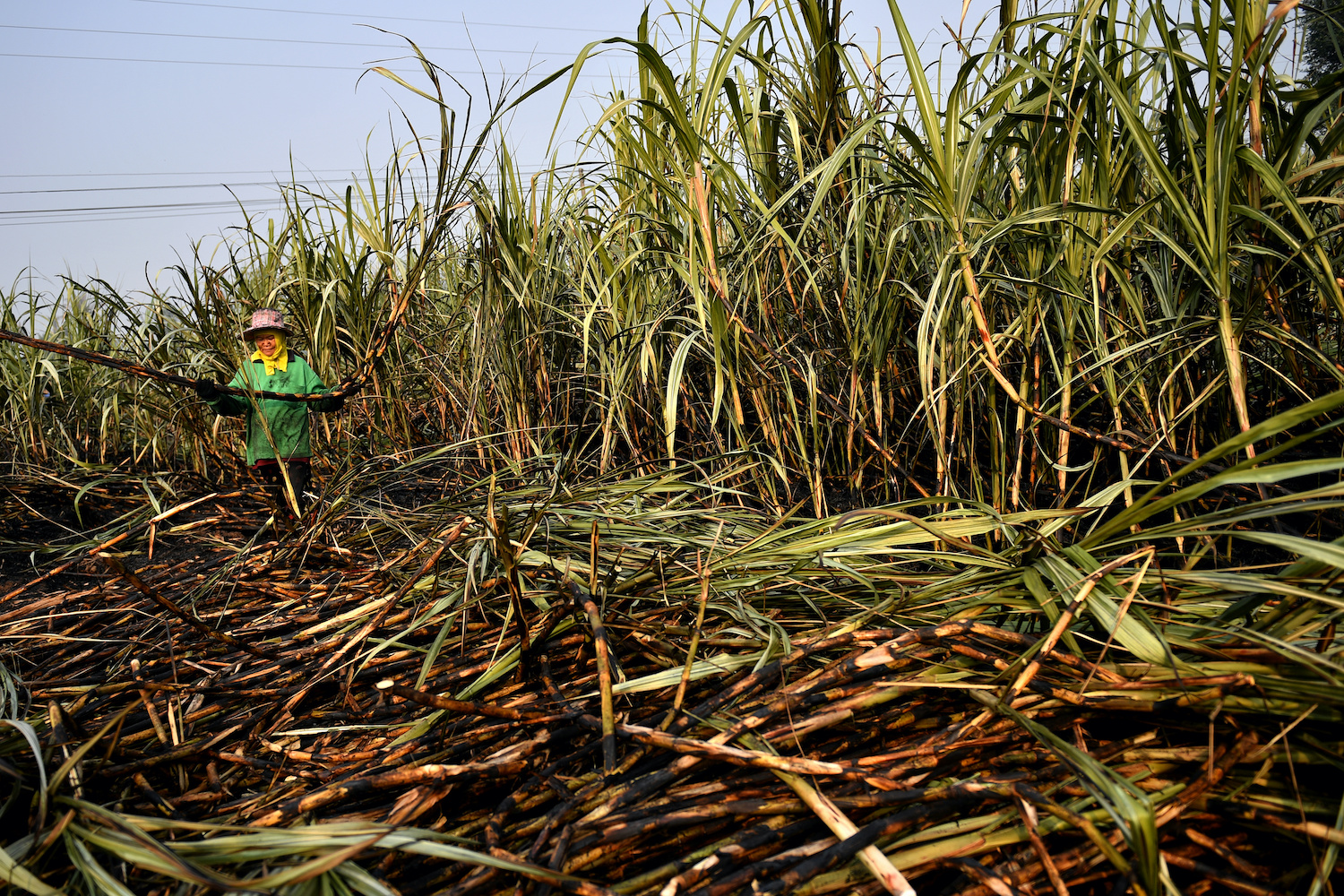
The last sugar mill in Texas shut its doors last month, citing a lack of water. Farmers were left to plow under the crop and wonder what drought would claim next.
That forced farmer and cattleman Michael England to destroy his 500 acres of sugarcane. The fertile fields remain empty, though, due to the lack of water. He only planted a fraction of other crops like cotton, sorghum (cereal grain) and corn on his remaining 2,500 acres.
"As all irrigated farmers, what we really need – the water – is in our dams… we just had no inflows," said England, owner of England Farms and England Cattle Company. "We've only got just a few of our acres planted this year, and it's just a big gamble that we've taken of even planting those."
Drought causing crop failure
His row crops are 100% flood-irrigated. The water comes from the Rio Grande, about 10 miles from the farm. But with no upstream rain, the Rio Grande Basin dropped to record low levels recently, according to the National Weather Service and local media.
"Our water has been cut back over the last three years, but this is the worst I've ever seen where we've basically had zero water to work with," England said.
"Our weather patterns have been changing over a number of years; (drought) in 2002, 2008, again in 2011, which, by the way, 2011 trumped the 1955 drought as far as statistics are concerned," he added. "But then here we are back in a severe drought again. You're (year) number three into it."
Texas Gov. Greg Abbott has extended a disaster proclamation for much of south Texas, "certifying that exceptional drought conditions posed a threat of imminent disaster in several counties." It was issued in July 2022 at the start of the most recent drought.
Lack of water from Water Treaty with Mexico
Another source of water is Mexico through a 1944 water treaty.
"Our main water source is the Rio Grande River, which is also an international boundary with Mexico," England said. "It's water that is shared by Mexico via the 1944 treaty that was there. And that water is pumped out of the river that goes to various water districts, spread out across the valley. And then we receive it through pipelines and canals. But as of right now, all of that water has been taken away from us and only for municipal use."
Complete lack of irrigation water for crop production in the Lower Rio Grande Valley would cost $495.8 million in direct revenue loss, Texas A&M University has calculated.
In exchange for U.S. water deliveries from the Colorado River, Mexico agreed to deliver water to Texas from several tributaries feeding the Rio Grande, according to the treaty. Every five years, Mexico must release 1.1 million acre-feet of water, which averages out to 350,000 acre-feet a year.
The Texas Farm Bureau pointed out that the country is behind over 736,000 acre-feet of water since the new cycle started in October 2020. That would mean delivering the equivalent of three-and-a-half years of water in the next year and a half.
The owners of the last sugar mill in Texas, along with other farmers, blame politics.
"Agriculture in the Rio Grande Valley depends on adequate and reliable irrigation water deliveries," the mill said in a press release when it closed. "For over 30 years, farmers in South Texas have been battling with Mexico’s failure to comply with the provisions of the 1944 Water Treaty between the U.S. and Mexico that governs water sharing between the two nations on the Colorado River and the Lower Rio Grande."
Mexico cites its own water problems due to drought.
"Right now, we do have a delay in water deliveries, that's the reality this current cycle, but our intention is to mitigate that deficit as much as possible," Manuel Morales, secretary of the Mexican Section for the International Boundary and Water Commission Between Mexico and the United States told the Texas Tribune. "We want to continue complying with the treaty."
Out of his 2,500 acres, England only planted 500 acres of cotton and 120 acres of sorghum grain. The cotton is "still holding on" but stunted because of the extreme drought. His grain crop is in "bad shape," with shallow roots, "the crop is burning up," he said.
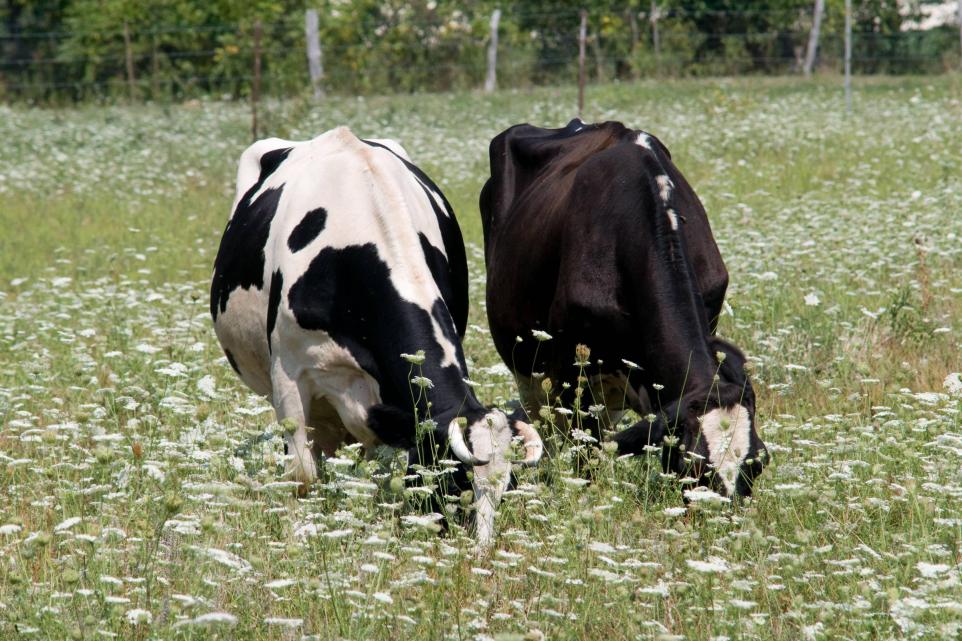
"I just told myself, doesn't make grain, I'll make hay out of it for our cattle operation," England said. "But, all the rest of the land is just sitting there idle."
Texas is the top exporter of cotton in the country. In 2020, the state exported $1.7 billion. The Lone Star State exported $5.8 billion in agriculture in 2020, the sixth highest in the U.S., according to the state comptroller.
Source - https://www.foxweather.com