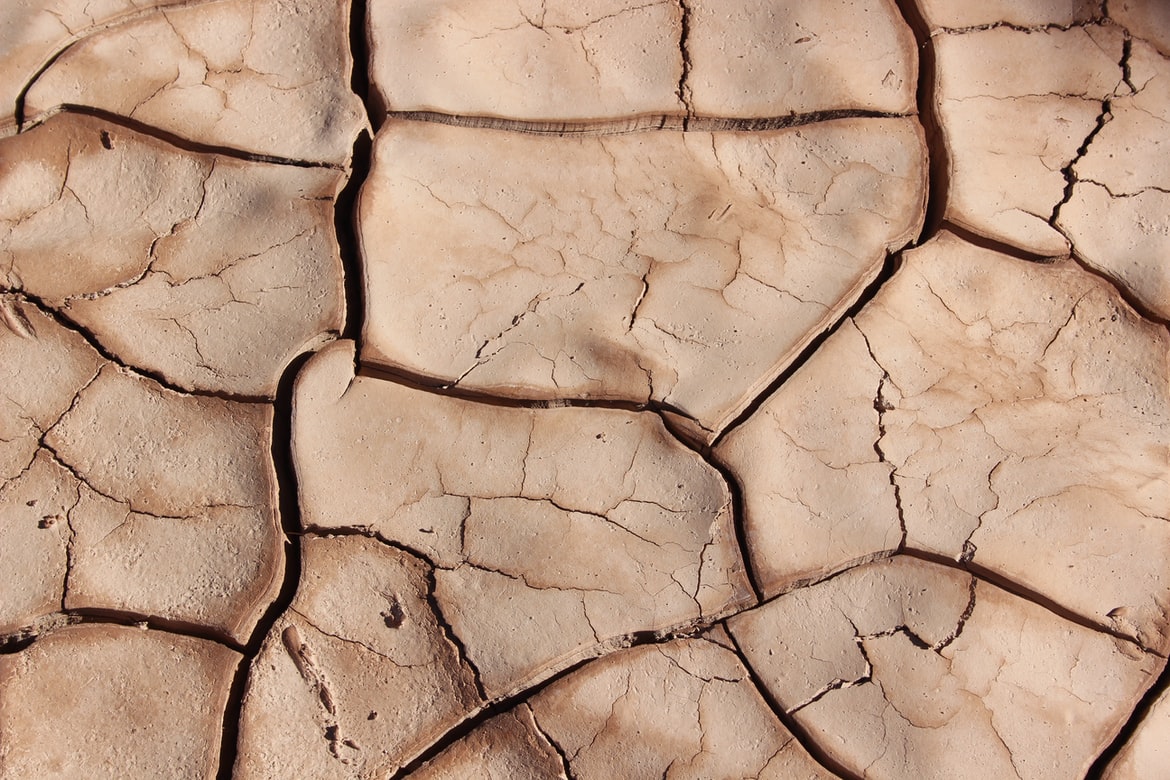
“Not surprising is a good way to describe this year’s drought.” So says Brad Rubin, Wells Fargo food and agribusiness specialty crops sector manager, of the 2022 drought picture for the state of California.
He notes that after a record-setting December 2021 for both rainfall and snowpack, the season did look promising. “However, January and February were some of the driest months on record with little rainfall to follow in the spring,” says Rubin. While there has been some rainfall in parts of California with monsoon activity this summer, that rainfall does very little to recharge the groundwater basins. “All-in-all, drought continues to be severe-to-extreme for much of the California growing regions.”
Rubin’s colleague Scott Iverson, says this year feels worse than the past given the collective issues of continued drought, less water allocations from water agencies and looming implementation of SGMA groundwater restrictions. ”Those convergences, as well as other environmental and government pressures, seem to be pushing more drastic changes in agricultural land use and agricultural land valuations,” says Iverson, market executive for Wells Fargo’s food and agribusiness west region.
Concerning regions
Looking closer at the regions affected, Kern County continues to be severely impacted by the drought. “But with the lack of snow pack this year, and with Lake Shasta at an all-time low, Northern California is also starting to feel strained,” adds Rubin, noting that Northern California typically has a lot more access to water than the southern growing regions, but this year has been exceptionally dry all over the state.
With that in mind, along with seeing a large reduction in rice acreage in Northern California, there is some shifting of crops and water diversion. “Some growers of permanent crops are diverting water to maintain higher-performing orchards at the detriment of older or less-performing orchards or vineyards. This same dynamic is occurring in other annual crops, but rice seems to be the most drastic,” says Iverson.
But opportunity has also emerged--notably in processing tomatoes. “Three years ago, farmers were paid $75 per ton. In 2022, growers agreed to a price of $105, but we are hearing rumblings of $130 per ton for 2023,” says Rubin, noting that California is the leading producer of tomato paste in the U.S. and that the industry needs to produce approximately 12 million tons of paste, which takes about 60 million tons of tomatoes. “Farmers are opportunists so any industry willing to pay top dollar for a crop will see eager farmers leverage their land and resources to grow. Farmers will use their water to grow crops that provide the largest returns.”
What can growers do
For now, to access water in this age of drought, Rubin notes that large farms can buy water from neighbor allocations and also work with municipalities to buy recycled water. Such is the case in Paso Robles where the wastewater treatment facility is processing recycled water to recharge aquifers. “Wine grape growers in need of water can supplement their lands with this recycled water from the city,” he says.
And with SGMA being implemented, Iverson notes that it’s dependent on how California will respond to water management plans from various groundwater sustainability agencies. “Regardless of the state’s determinations, we assume there will be fewer acres farmed in California going forward,” he says.
What is also needed is for growers to be vocal on the issue. “I encourage all growers to be active in their respective groundwater sustainability agencies and in communication with their local government representatives and lobbying groups,” Iverson says. “Agriculture always needs a bigger seat at the table in California, and now is the time to utilize all resources to be heard.”
While it’s tricky to predict what lies ahead, Rubin notes that some lands are being fallowed for lack of water and some permanent plantings, especially older and lower-producing orchards, are being removed. “Any permanent plantings along the western San Joaquin Valley and the southern parts of Kern County are having a tough time,” he says. “Growers will continue to make the best planting and water allocation decisions they can, based on the conditions.”
Source - https://www.freshplaza.com