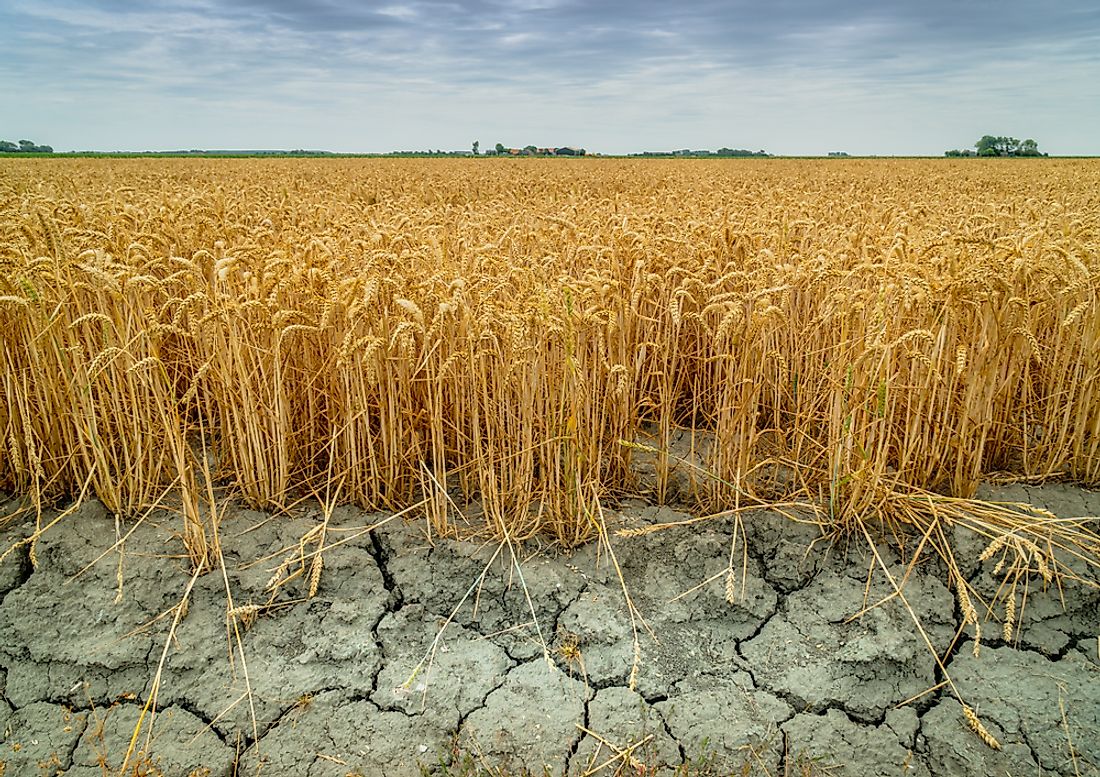
On the stalk, much of the region’s wheat crop looks good. But it is only until you go out and get a closer look that the full story of this year’s crop comes out.
Several groups of Extension educators, growers and wheat buyers took to the fields June 5 in Pennsylvania, Maryland and Delaware to get an early look at how the region’s wheat crop is faring.
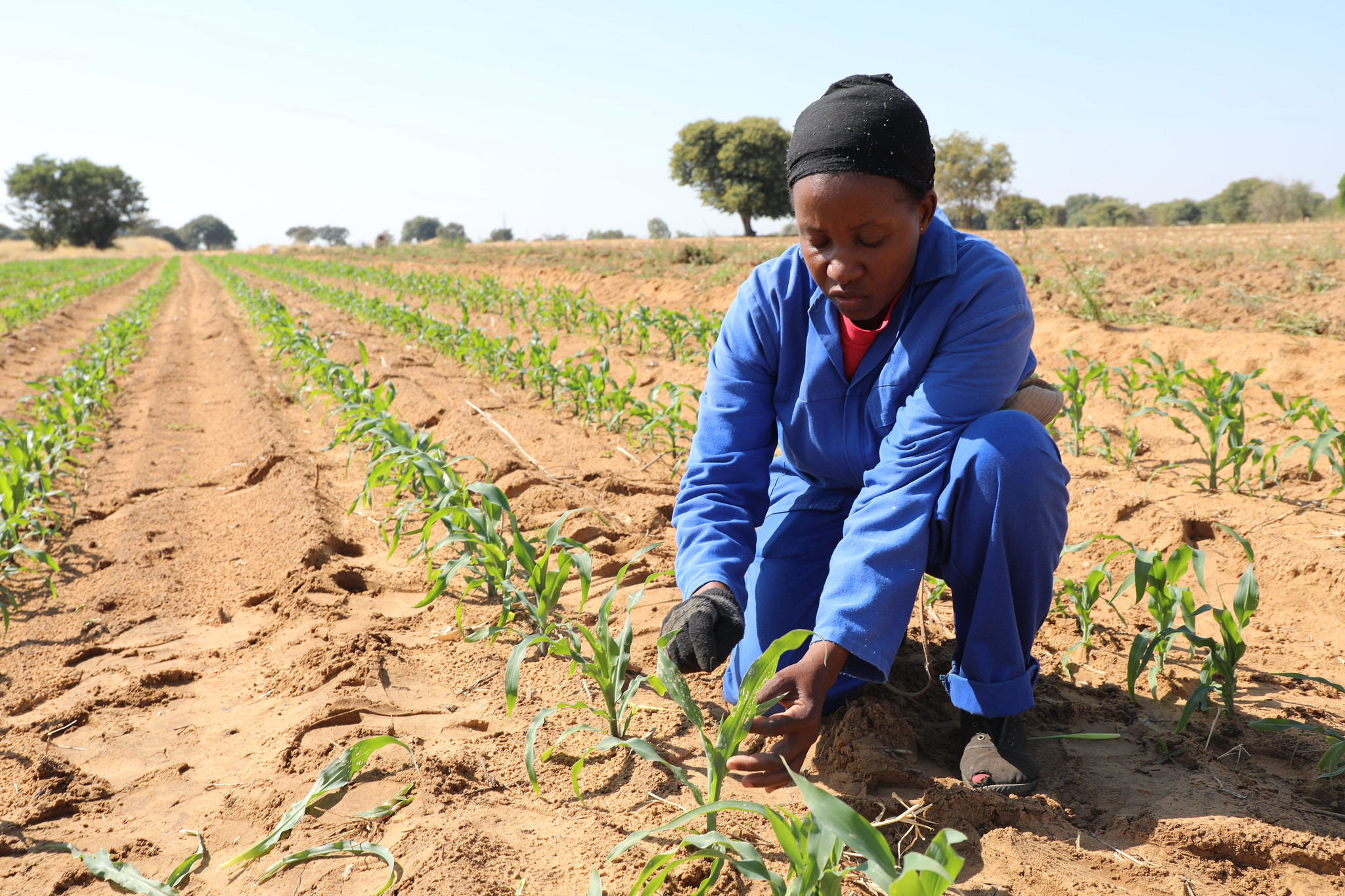
On a tour that visited several farms in Berks, Lancaster and Lebanon counties, groups scoured fields with papers, pencils and yardsticks to see how the crop was progressing. They counted number of plants per foot, heads per foot, spikelets per head and kernels per head.
The good news: Fusarium head blight (scab), the most severe disease of wheat, was almost nonexistent. In fact, overall disease and insect pressure was minimal.
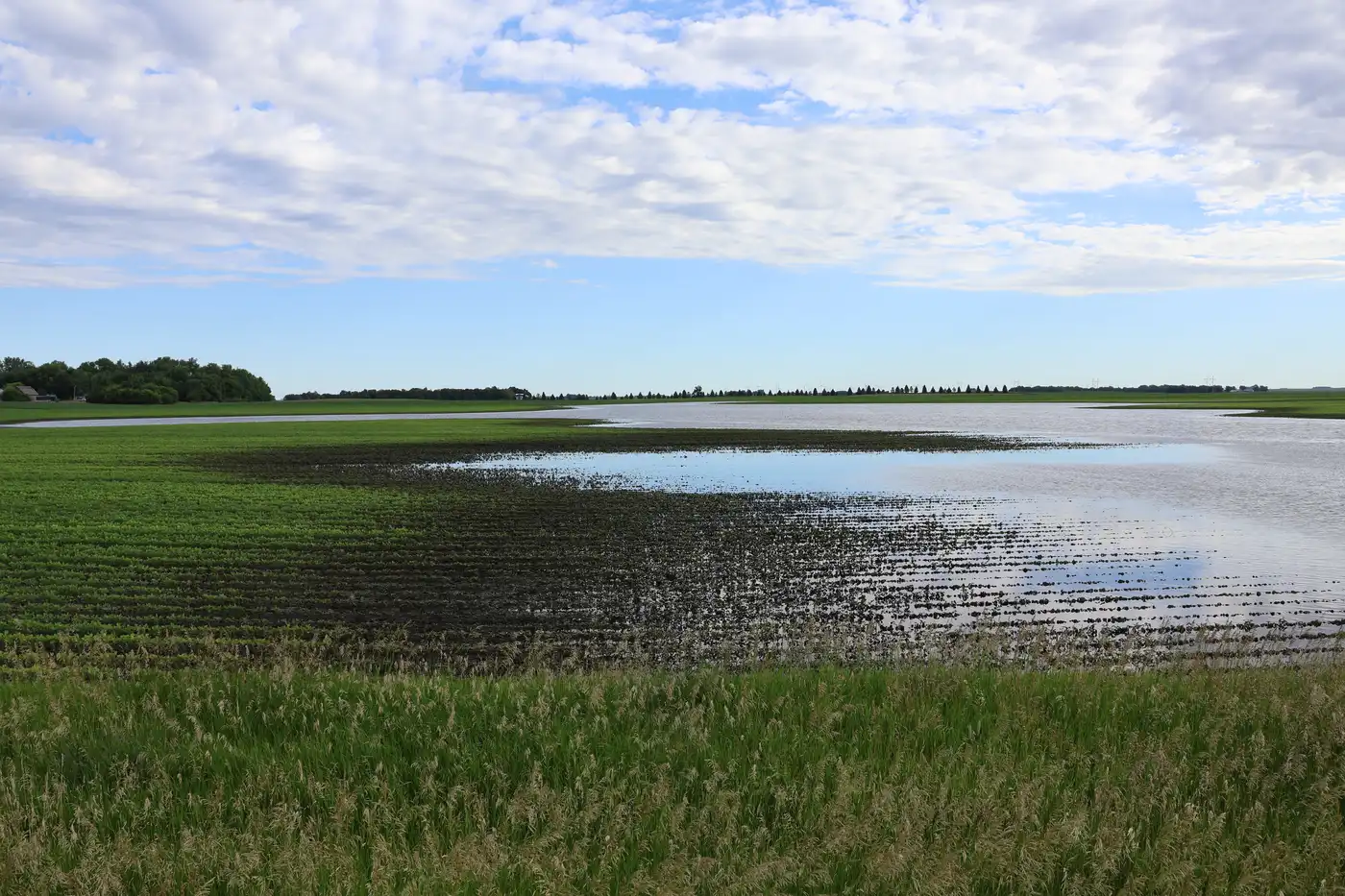
The bad news: Drought is likely taking its toll as grain fill continues.
Del Voight, educator with Penn State Cooperative Extension, says the average yield was 105 bushels per acre, down significantly from last year’s impressive 129-bushel-per-acre average.
“So, that means fewer kernels per acre and then the size due to drought,” he says. “Looks like the overall height is shorter than previous years, about 10 inches or so. Straw yield will likely suffer as well. Once the combines get going next week or so on barley, we will truly begin to see the story develop.”
Daniela Carrijo, Extension specialist of grain crop production at Penn State, says the yield estimate formula used for the tour assumes a fixed grain size, but it is a yield component that can be greatly affected by drought.
“Therefore, our yield estimates are likely an overestimate,” she says.
Heidi Reed, Extension educator with Penn State, led a group through six locations in York and Adams counties.
“Very little to no disease present,” she says. “We noticed some leaf rust and evidence of early-season powdery mildew, but not enough to worry about. Evidence of some very light cereal leaf beetle feeding damage earlier in the season. But scab was not an issue. Not surprised with the dry weather.”
Average yields were 103 bushels per acre with a range of 84 to 123 bushels per acre, right in line with last year’s tour, Reed says. But drought is taking its toll in some spots.
“Especially on ridges and thin soils,” she says. “Saw leaf curling in one field and uneven ripening in other fields, which I attributed to the dry vs. wetter soils. We could see some quality loss, shrunken kernels as the grain is filling at this point.”
Leland Sproull, president of LCS grain marketing, helped lead a tour of farms across the Delmarva Peninsula. In one field, head scab was prevalent, but disease and insect issues, overall, were minimal.
Yields range anywhere from 75 bushels per acre to well over 100 bushels per acre, depending on grower practices and whether there was any rainfall. In a separate report on the tour, Mark Sultenfuss of Nagel Crop Insurance said 4 inches of rainfall last month helped a lot of the crop escape severe drought effects.
“I think the yields this year will be at last year’s yields,” Sproull says. “The northern section was a little bit dryer, so yields could be cut off the top there.”
Sproull helped start the annual tour 15 years with now-retired John Sutton of Sutton Trading Co. He says the tour provides crucial feedback to a lot of stakeholders.
“There is more interest in it, no question about it,” he says. “It’s important for the seed companies; they want to know what we found. It’s important to the growers, it’s important to the flour mills, to the grain elevators.”
Do your own yield calculation
If you want to calculate your own wheat yields, it’ll take a little bit of time and some math, but it’s not impossible.
Voight says he uses a method developed by University of Nebraska-Lincoln that calculates the number of heads per foot in a row, average number of kernels per head, and then dividing by the row space.
Here’s the step-by-step process:
1. Count number of heads per foot in five different areas of a field, then calculate the average.
2. Average the number of kernels per head from at least five heads in each site. This involves multiplying the number of spikelets per head by the number of kernels per spikelet.
3. Measure the distance in inches between the rows.
The formula is number of heads per foot multiplied by number of kernels per head, divided by row space and multiplying by 0.48. This should give you an average yield in bushels.
Source - https://www.farmprogress.com