For Midland County farmers, rain is a vital resource and the lack of it is a great cause for concern.
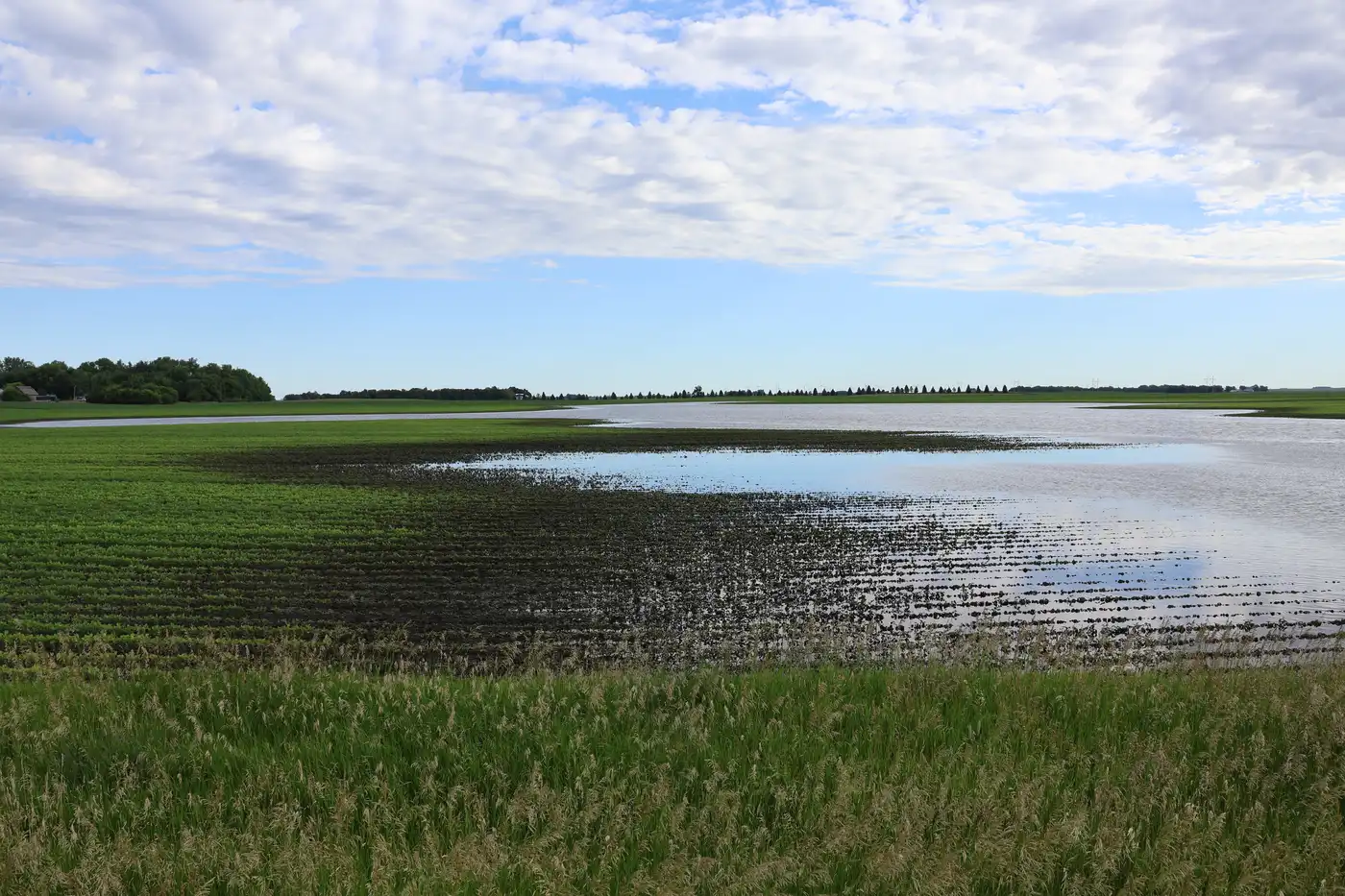
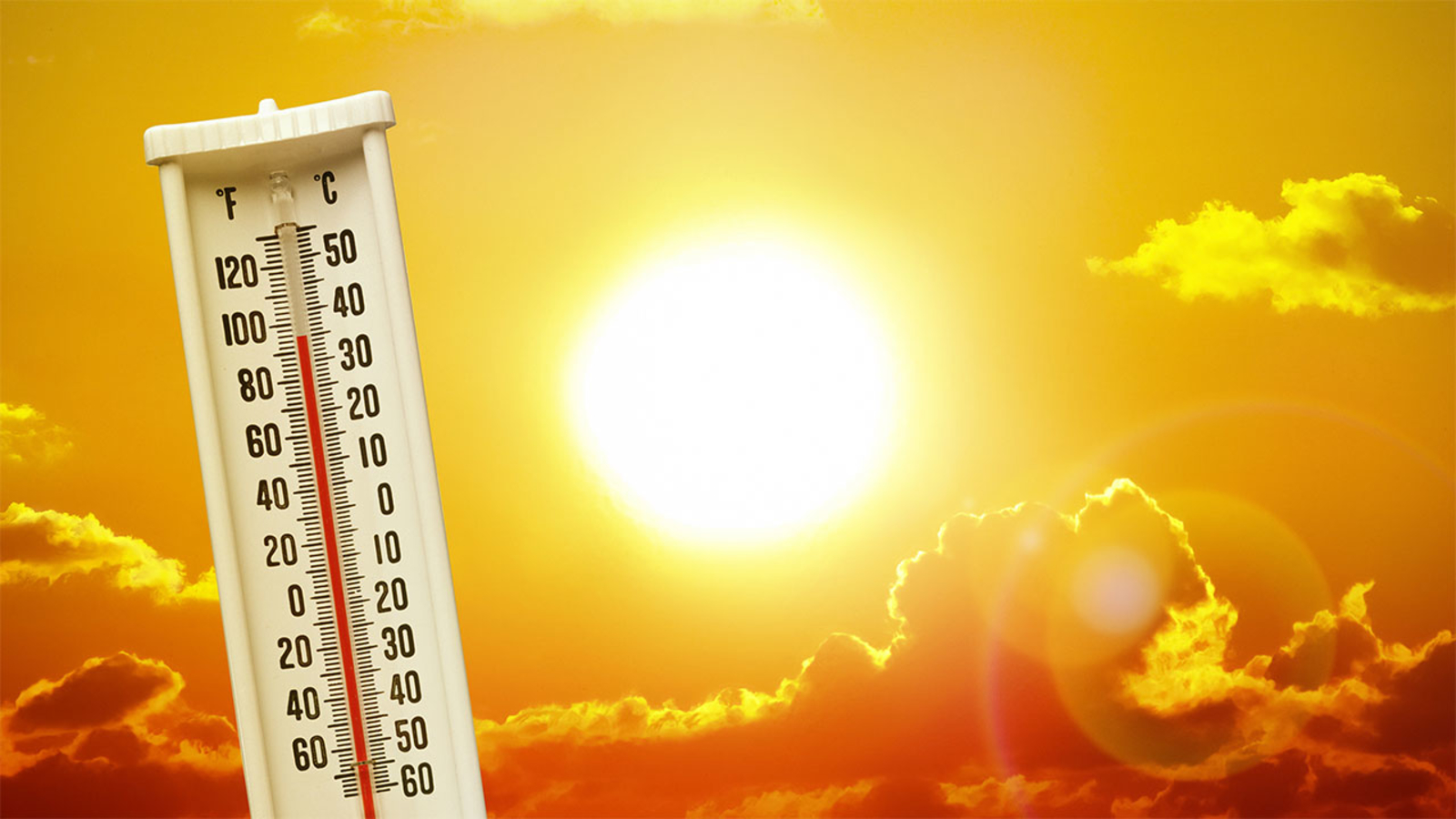
Just as Michigan farmers are finishing planting their crops, the state is facing temperatures in the 90s and no rain in sight. Data from the National Weather Service show May 2023 as the third driest May in recorded history for the Saginaw and Bay City area. Data indicate the area received only .80 inch of rain in the month of May, with the driest recorded month of May being .53 inch in 1939.
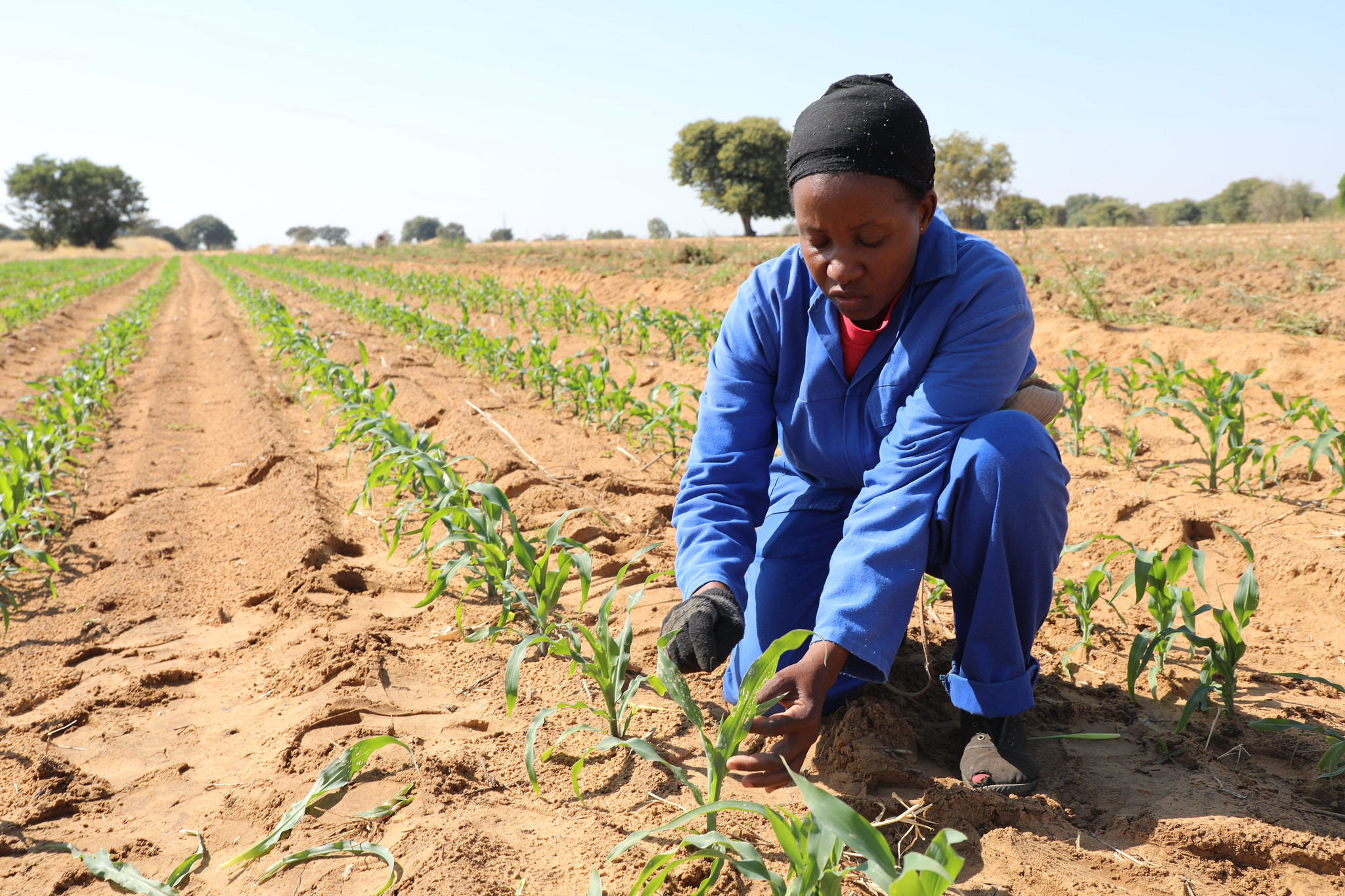
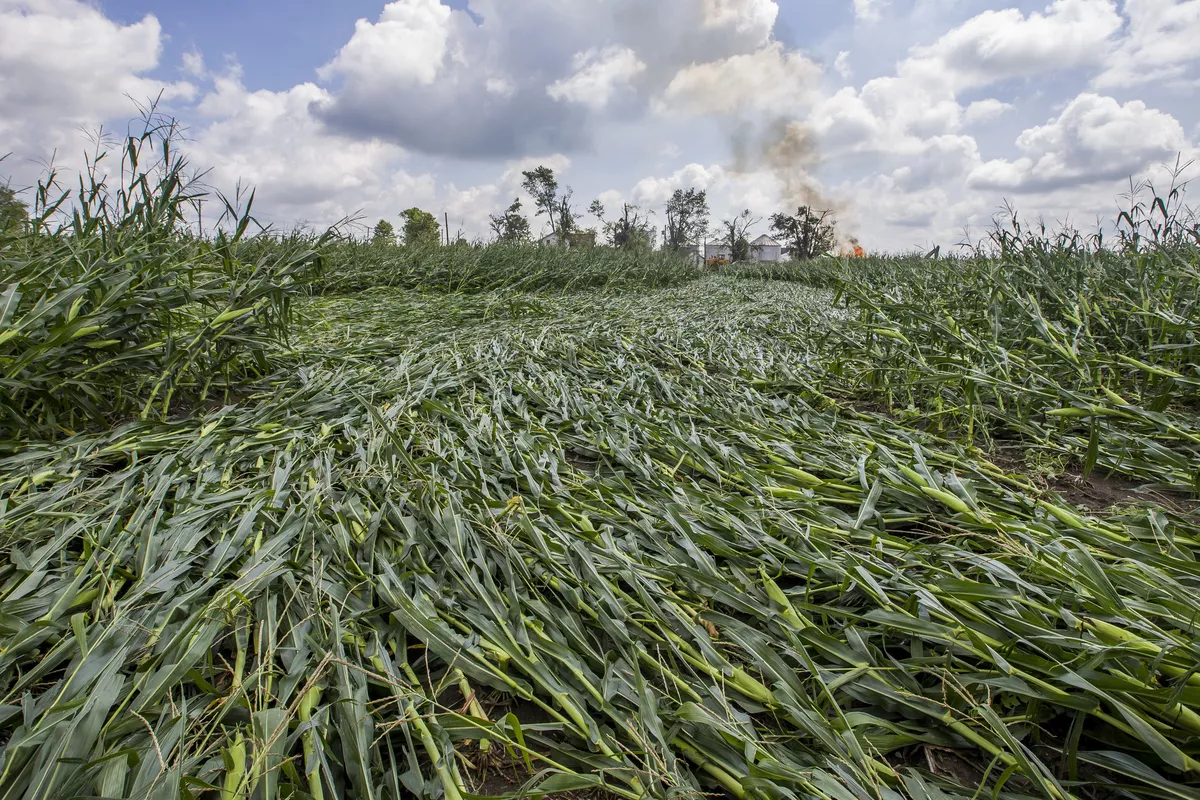
Sarah Zastrow from the Midland County Farm Bureau, and owner of ZZ Farms, said she can see crops starting to show the pressure of drought and heat. This pressure emerges through the yellowing, wilting and shriveling of crops.
“Hopefully we’ll get rain here shortly," she said. "Even if it’s just a little bit of rain, that would help."
Chase Holzschuh of Phoenix Community Farm says the extremes in weather this past month have posed a challenge.
“Just this past weekend we had a frost advisory, so we had frost cloth out on the plants,” he said. “But no one was there to take the cloth off, and when it got hot over the week, we lost about 5 to 10% of the crop to heatstroke.”
Monica Jean, a field crops educator at Michigan State University Extension of Midland County, gave a comprehensive overview of how crops are doing so far. She said hay and alfalfa are going through their first cutting, which has produced a good crop because it received rain a few weeks ago. But she said the second cut might not be as good.
Corn and soybeans are finishing being planted and will need about one-half inch of water in order to emerge. She said some farmers in the area have seen their crops emerge already if they used cover crops or other methods to conserve water in the soil.
During a weather outlook presentation as part of a field crops virtual breakfast on Thursday morning, MSU Agricultural Meteorologist Jeff Andersen said the warmer and drier than normal weather will continue at least through the first half of June.
Zastrow said the Farm Bureau has heard from farmers all over the state who are struggling with the same kind of weather.
“The apple trees are seeing (the effect of the dry weather),” Zastrow said. “The fruits, the produce, the vegetables, everything sees it.”
This could even lead to problems with other kinds of produce, like meat. Zastrow explained, for example, that poor-quality hay could cause problems for beef producers who feed it to their cows.
And potential crop failure would affect more than just farmers. Everyone would see the effects at the grocery store as prices for fruits and vegetables rise.
“Eventually it will have really big repercussions both in the grocery story and in people's budgets,” Zastrow said.
Even if a decent amount of fruits and vegetables is produced this year, Zastrow said consumers will definitely see and taste a difference compared to more rainy years.
“The likelihood at this point that we would have these huge, rich, really good-tasting, juicy blueberries, unless things really turn around, we’re not going to see that this year,” she said.
Jean said many farmers have started asking MSU Extension if they should begin spraying their fields. At this time of year, many farmers would be spraying their fields with substances such as herbicide, fungicide, etc.
Jean said the decision is up to each individual farmer, but that spraying is the last opportunity to protect their crops. However, she said it could also be a financial decision for some farmers.
Some farmers have even chosen not to plant yet.
“I haven't even planted much yet, because I'm waiting for the rain,” said Lynn Helm of Brandt Farms, who sells at the Midland Area Farmers Market.
Zastrow said there is not much farmers can do now except wait for rain, since most crops have already been planted. However, she did say farmers could look into different crop varieties that are more resistant to drought in the future.
“The agriculture industry as a whole, because of hybrid crops and GMOs (and) the way crops are able to adapt over time, farmers can choose to plant seeds that are more drought resistant,” she said. “That’s a really cool thing that we don’t talk about a lot, but the industry as a whole is adapting to changes in climate.”
MSU Extension encourages farmers to consider using soil-health-minded practices to help their soil act as a sponge and improve its water-holding capacity. These practices could include reducing tilling as much as possible or using cover crops to build up soil structure. Cover crops are used to manage soil erosion, fertility, quality, water, weeds, pests and more.
Jean recommends that farmers check their plants for nutrient deficiencies and weeds and call MSU Extension with questions or concerns.
Jean also said farmers can utilize MSU Extension’s Managing Farm Stress program, a free teletherapy program to support farmers during this difficult time. She said it’s a good resource that offers therapists with a farming background.
“Farming is a very stressful job, and unfortunately there is a pretty high suicide rate in farmers,” Jean said.
An April 19, 2023 New York Times article reports that the rate of suicide among farmers is three and a half times higher than among the general population, according to the National Rural Health Association.
Farming, by its nature, is an uncertain endeavor, Zastrow said.
“It’s just a complete gamble, especially with the markets and the prices of our inputs, the prices of the crop as we sell it and then the weather,” Zastrow said. “There's not a lot of wiggle room there. This is just another one of those things that we don’t have control over.”
Source - https://www.ourmidland.com