West Virginians aren’t the only ones wilting in the recent heat waves — the state’s leafy inhabitants are a point of concern for state officials as severe drought conditions are expected to impact crop quality and yield across the state’s largely family owned-and-operated farms, leading to an emergency declaration by Governor Jim Justice.
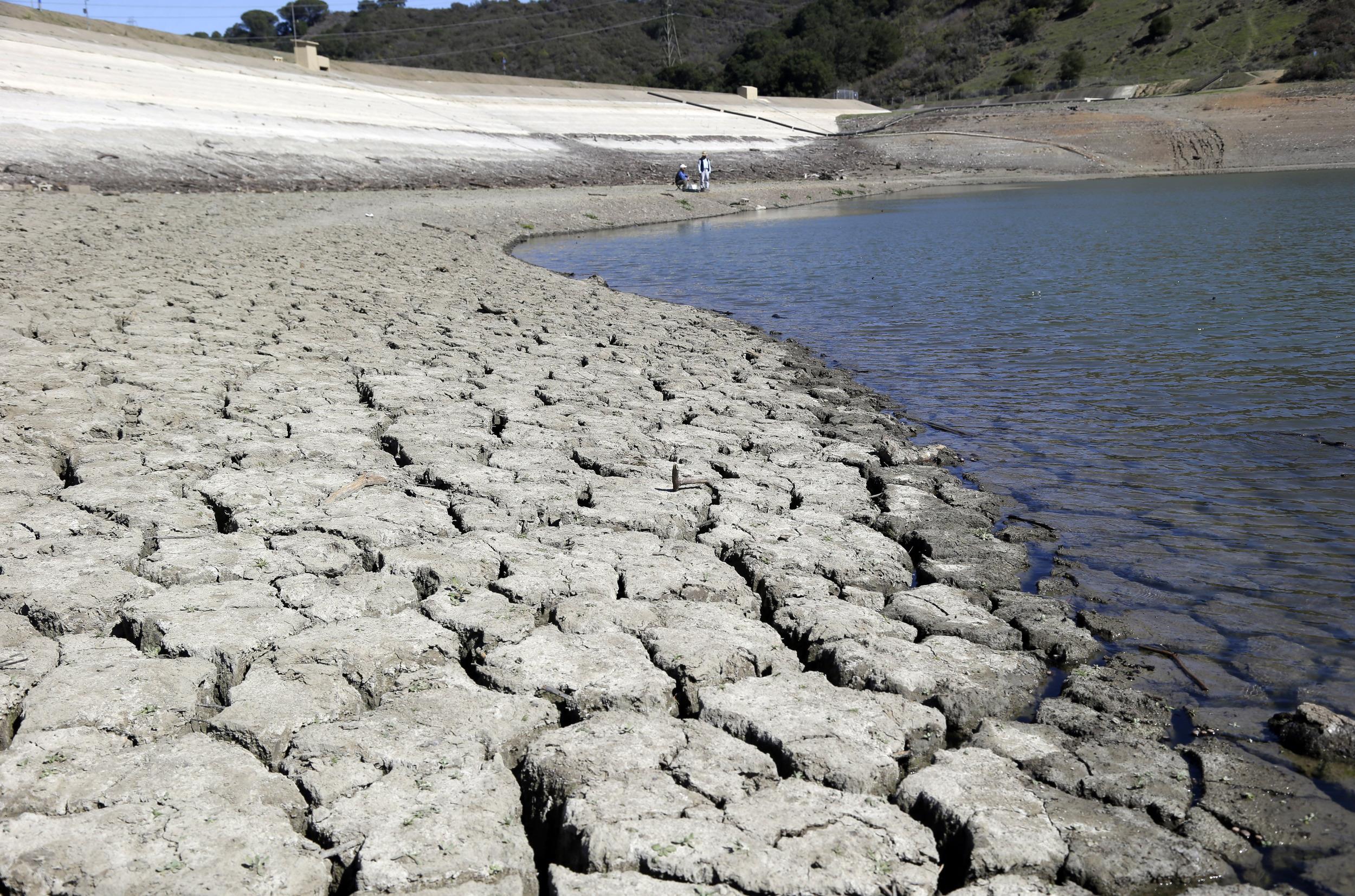
Justice issued a proclamation July 26 declaring a state of emergency for West Virginia’s 55 counties due to moderate-to-severe drought conditions across the state. This declaration will allow the West Virginia Emergency Management Division to most-effectively distribute emergency services to West Virginians in need, aid that Gov. Justice emphasized will be vital for farmers in need during this time.
In light of this decision, West Virginia University (WVU) experts have detailed the ways drought can leave lasting impacts on crops, and how emergency efforts can mitigate these affects.
According to the West Virginia Department of Agriculture, West Virginia’s farms spanned 3.6 million acres of the state as of 2018, and 98% were considered small, family farms. A majority of this land is taken up by Greenbrier, Pendleton, Hardy, Monroe and Preston county farms — counties that are currently listed by the governor to be facing moderate, severe and extreme levels of drought conditions.
“The season started with lower-than-normal precipitation, setting the path to our current conditions. Besides the insufficient rainfall, we have been hit with extremely high temperatures that are depleting soil-held moisture reserves,” said Mira Danilovich, professor and consumer horticulture specialist for WVU Extension. “When we have high temperatures added to the drought, stress is multiplied and will stunt growth and produce smaller fruits, leading to compromised quality and reduction in overall yield.”
The National Weather Service reports an average high temperature of 83 degrees for July in Morgantown, while last month’s daily high temperatures soared well into the range of 90-100 degrees.
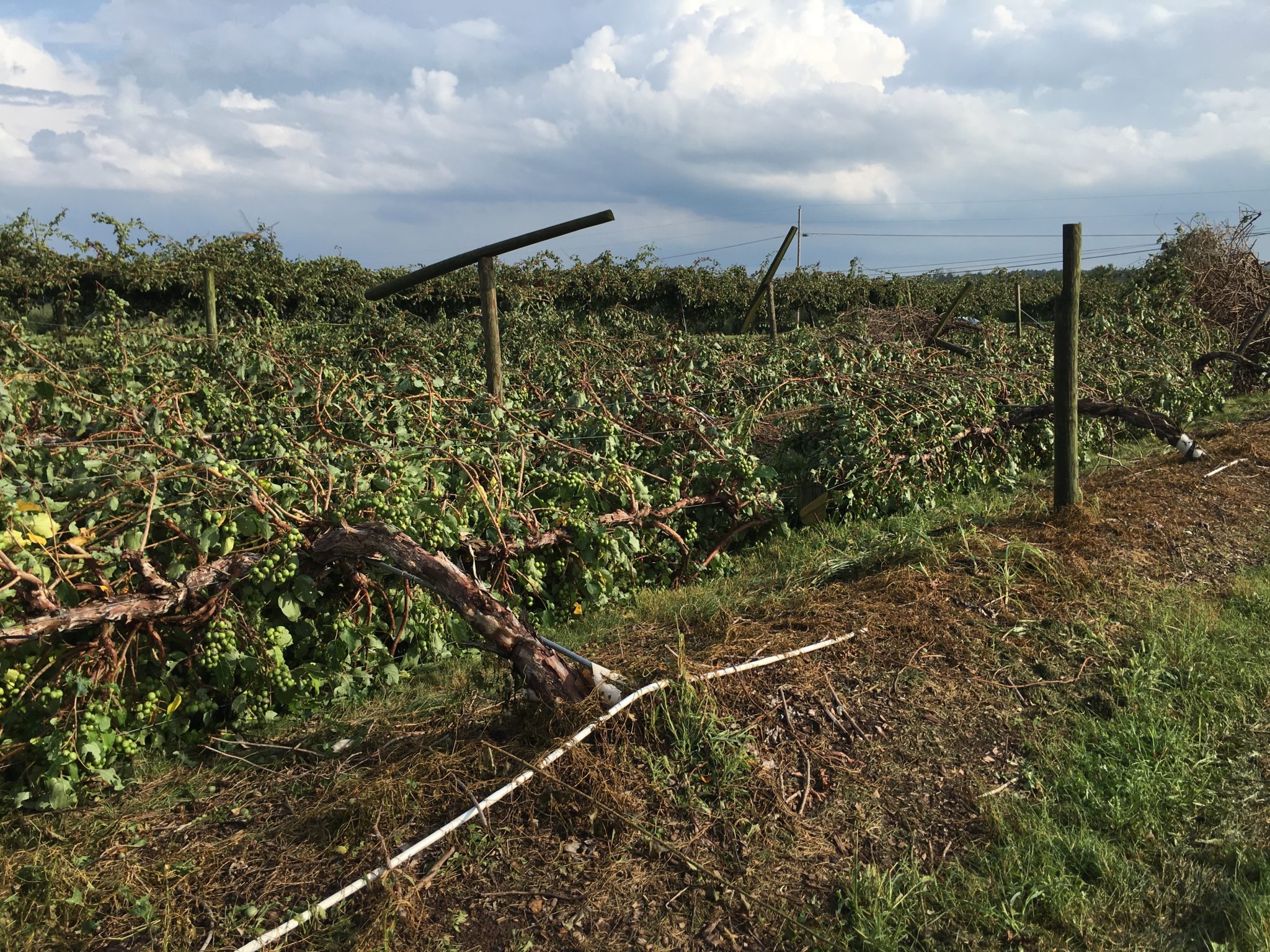
A variety of impacts are expected for crops stressed by these conditions. Leaves can become limp and wilted, growth stunted, roots may die, and plants can become more susceptible to damage by insects and diseases. As a result, crop yield may be of lower quality or decreased, and these effects may not just be a temporary concern.
“Damage caused from drought can have long-term effects. The process of flower bud formation is taking place right now establishing the crop potential for the next season so there may be carryover into next year’s growing season,” said Danilovich.
With West Virginia’s farms contributing over $700 billion in market value, the prospect of lasting damage to crop yields is a great concern for the state. It’s not without hope, however, and Gov. Justice highlighted that efficient emergency aid will be offered for the agricultural backbone of West Virginia.
“Having good management and moisture conservation practices is important. Mulching is one of the first things to think about. It will keep the ground cool, and it will prevent moisture loss through evaporation. Whenever possible, supplemental irrigation should be part of the plan,” said Danilovich.
Unless declared otherwise, the state of emergency will remain in effect for 30 days.
Source - https://www.dominionpost.com