War in Ukraine, heavy spring rains and then a prolonged summer drought impacted Arkansas’ farm industry in 2022. As a result, input and commodity prices fluctuated wildly, throughout the growing and harvest season.
“As farmers were in the field preparing to plant their crop, Russia invaded Ukraine fueling uncertainty across the world and in agricultural input markets,” said Hunter Biram, extension economist for the University of Arkansas. “We saw prices paid for chemicals, fertilizer, and fuels increase by about 10% to15% over 2021 after there was a 30% increase in the prices paid for chemicals, 60% increase in prices paid for fertilizer, and 50% increase in the prices paid for fuels relative to 2020 Any potential relief the high commodity prices provided was essentially eliminated by these increases in input prices.”
According to the 2023 Division of Agriculture crop enterprise budgets, nitrogen fertilizer is projected to be about 6% lower relative to 2022 but still 14% higher relative to 2021. Phosphate and potash are projected to be up some over 2022 at around 1.6% and 0.5% higher, respectively. Diammonium phosphate, known as DAP, and defoliant, key inputs used in cotton production, are projected to be up 7% and 10% respectively over 2022. Insecticides and fungicides, which are key inputs used in rice production, are projected to be up 98% and 18%, respectively, over 2022.
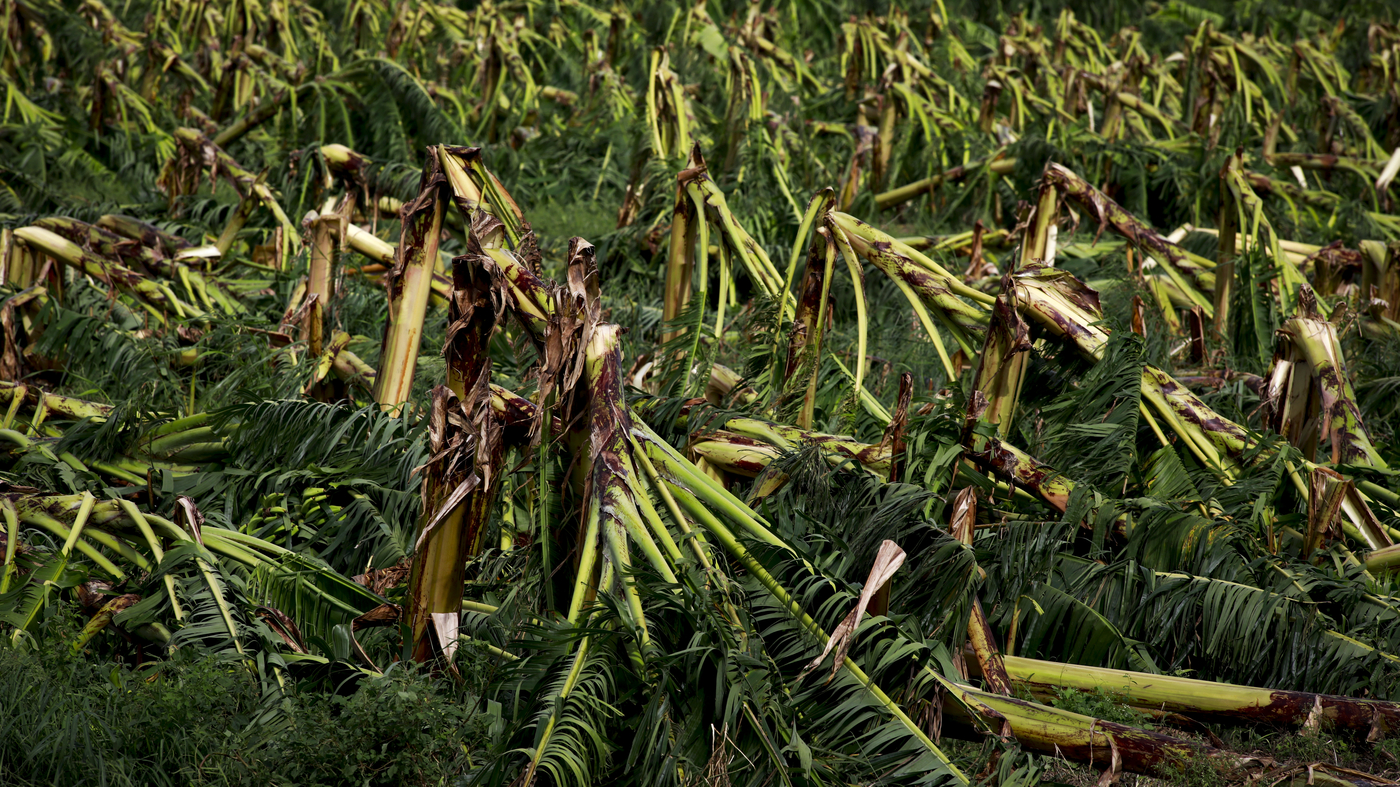
Torrential springtime rains covered the state as farmers planted crops, and it led to yield losses. According to the U.S. Department of Agriculture Risk Management Agency, there were $1.4 billion in rain-related losses across the U.S., and $400 million were primarily in the Mid-South states.
“In Arkansas, we saw $171 million in losses account for half of the total coverage purchased in 2022. Prevented planting claims were the primary driver of losses with 81% of the losses directly attributed to prevented planting,” Biram said.
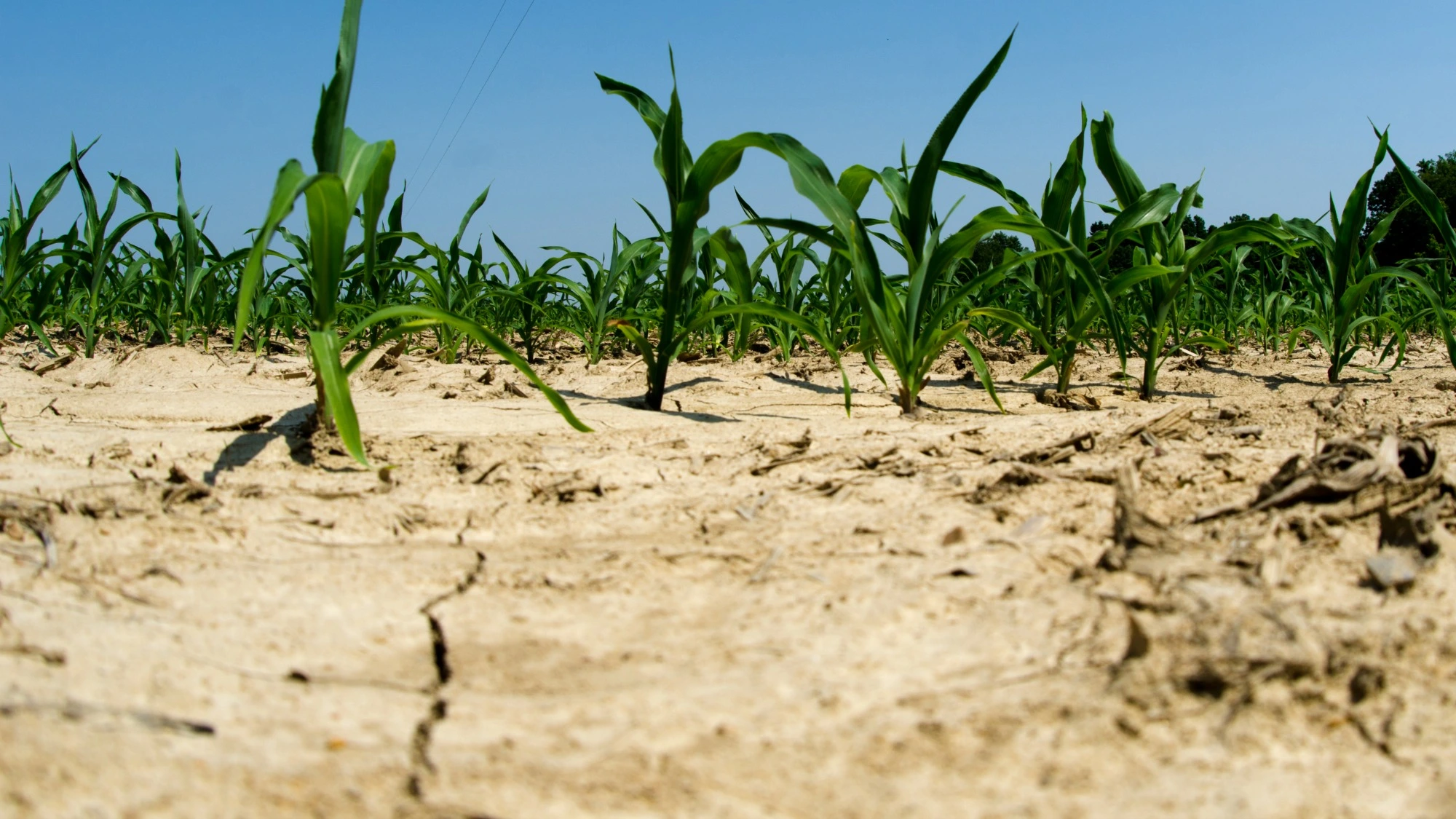
A deluge of water in the spring led into one of the worst droughts on record as the summer began.
“Drought struck the entire United States which resulted in significant crop losses in Texas, Oklahoma, and parts of the east coast,” Biram said. “Of the $3.9 billion in total drought-related losses across the U.S., $2.4 billion were in the Southeast.”
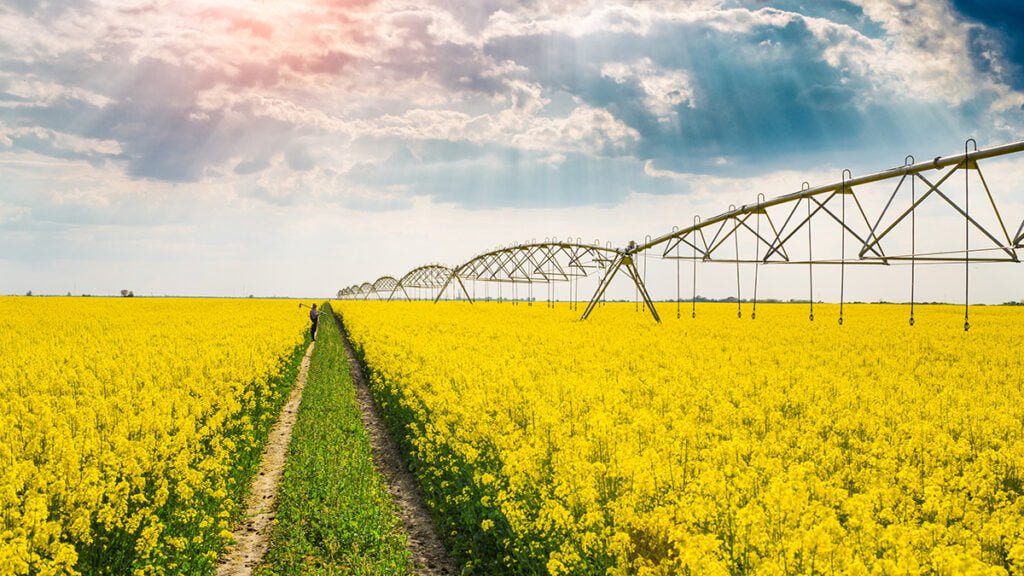
Arkansas weathered the drought better than other states, thanks to irrigation. Arkansas ranks third nationally in terms of acres under irrigation. However, the drought would find another way to hit farmers in Arkansas and elsewhere, as it dropped the Mississippi River to historically low levels. The levels were so low, the river was closed to traffic between Osecola and Greenville, Mississippi. Elevator prices followed the river levels.
“These price losses at the local grain elevator came in the form of extremely weak basis during arguably the most unfortunate time: harvest,” Biram said. “During the usual harvest window, basis or the local cash price less the relevant futures price, fell from about 40 cents over to 125 under at Helena, Arkansas.”
“Once the river levels increased, basis strengthened to about 50 over and has stayed relatively consistent at this level even though most new crop delivery from the 2022 harvest is finished,” he said.
According to the November estimates from the National Agricultural Statistics Service, Arkansas corn was expected to yield 176 bushels per acre, down from 184 bushels per acre in 2021. Cotton was forecast to yield 1,166 pounds per acre in 2022, compared to the record-setting 1,248 pounds per acre in the previous year. Peanuts were expected to yield 5,000 pounds per acre, same as 2021. All rice was expected to yield 7,450 hundredweight per acre in 2022, down from 7,630 the previous year. Soybeans were expected to improve in 2021, rising to 53 bushels per acre — which would be a new state record average yield — up from 52 bushels the previous year.
Source - https://talkbusiness.net