USA - Farmers scramble after pantry staple crop becomes nearly impossible to grow

08.12.2024 378 views

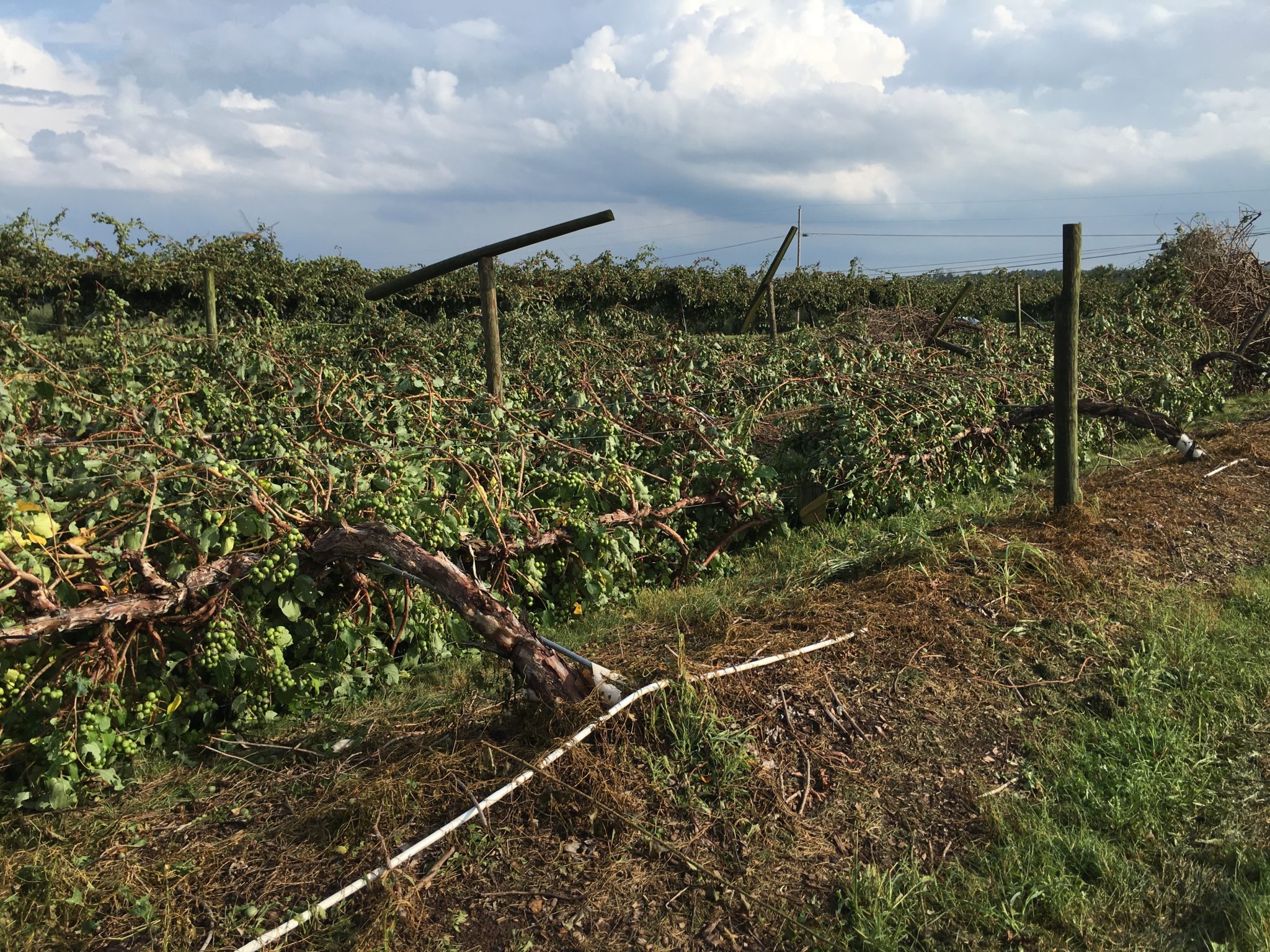
A pair of second-generation pecan farmers worry that their future is grim after weather events fueled by the changing climate have led to a year of total crop failure at their orchard in Texas.

What's happening?

Texas news station KXXV spoke with Gail and Mark Blanpied, who own Rascoe Pecans. 

"Those pecans, I don't know what it was about my dad planting, but they are the best pecans I've ever tasted," Gail said.

The orchard has been a local fixture for decades, selling pecans online and at farmers' markets. And until recently, it's been a breeze. 

"It's great for pecans. It's super sandy, loamy, wonderful soil," Gail told KXXV.

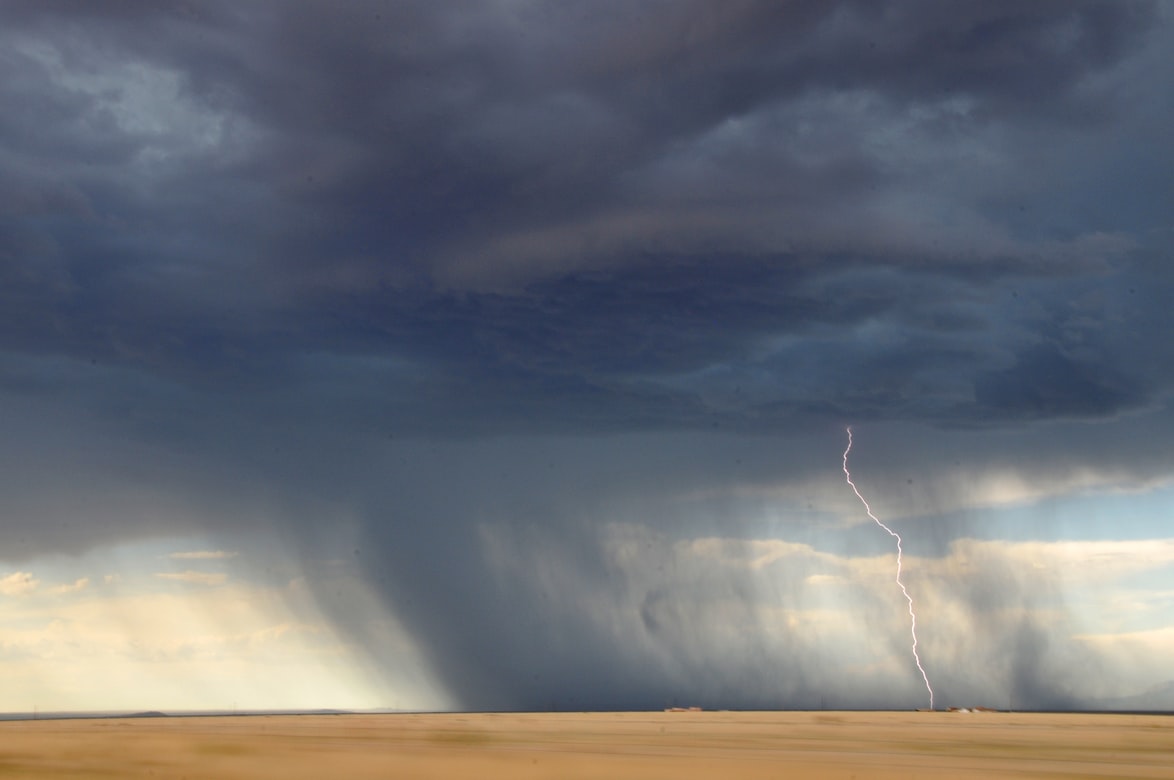
But now, severe storms have led to major loss and total crop failure. 

"We had two years of drought here in a row, and that followed that horrible freeze," Gail said. "We lost about 50 trees totally to drought, completely dead, and then another 80 are super stressed. It is sad, and a lot of people love the pecans, so it's hard."

Why is weather's impact on agriculture so concerning?

While the Rascoe Pecan crop may seem like a small example, similar issues have been playing out with staple crops around the world. For example, crops of potatoescoffeecucumbersvanilla, and cocoa everywhere from Pennsylvania to China to Mexico have all been impacted by precipitation and temperatures outside of their growing range.

These shortages drive food prices up for consumers, whether they're buying the produce directly or shopping for items made with these increasingly expensive ingredients. And officials worry that without major changes, the issue will get worse.

Gas pollution, the direct result of human activity like transport and manufacturing, has been warming the planet's atmosphere at unnatural rates for decades, contributing to extreme weather events like heat waves, severe storms, and droughts.

What's being done to protect our food supply?

Scientists are racing to engineer hardier plants, such as drought-resistant lettuce or wheat, that they hope can help stem the tide of food shortages.

For their part, many farmers have been returning to lower-impact growing methods, such as using natural fertilizers instead of chemicals. These have the dual benefits of minimizing pollution while keeping costs low.Every effort made to scale back pollution, whether on a governmental or a personal level, can help build a future where extreme weather doesn't threaten crops. These efforts could include anything from taking the bus instead of driving to buying fewer fast fashion items to upgrading to a heat pump in your home.


Source - https://www.msn.com

16.04.2026

USA - Forecast Performance of RMA Expected Yields: Comparison of Yield Projection Methods

Building upon the analyses discussed in the Farmdoc Daily articles of Jan. 27, 2026 and April 1, 2026, this study finds that the current method used by USDA’s Risk Management Agency (RMA) provided the least accurate projection of actual RMA county yields across the five crops and four projection methods examined in this study. 

16.04.2026

Philippines - DAR orients agrarian beneficiaries on crop insurance

The Department of Agrarian Reform (DAR) facilitated an orientation workshop for the agrarian reform beneficiary organizations (ARBOs) from the provinces of Surigao del Norte and Dinagat Islands to strengthen their access to crop insurance and equip them to become authorized underwriters of the Philippine Crop Insurance Corporation (PCIC). 

16.04.2026

Estonia - AgriFi Brings Agricultural Real-World Assets On-Chain with $AGF on Polygon

Agriculture remains one of the largest and most complex industries in the global economy, contributing over $3 trillion annually to global GDP and supporting the livelihoods of billions of people worldwide, according to data from the Food and Agriculture Organization and World Bank.

16.04.2026

USA - Aid Available for Nebraska Wildfire Victims

Just over one month ago, Nebraska experienced the worst series of wildfires in history, burning nearly 950,000 acres. Since then, assistance for farmers and ranchers affected has been rolling in.

16.04.2026

Thailand - Storm batters Si Sa Ket durian orchards, losses hit B39m

A summer storm caused extensive damage to durian plantations in Kantharalak district, toppling hundreds of trees and wiping out tonnes of Thailand’s economic crop just days before harvest, local officials said on Thursday.Following the storm, district chief Somkuan Singkham ordered an urgent survey in tambon Phu Ngern, where strong winds and thunderstorms hit five villages, damaging durian orchards belonging to 110 farmers.The affected fruit is a geographical indication (GI) product known as “Sisaket Volcanic Area Durian,” grown in Khun Han, Kantharalak and Si Rattana districts. Popular varieties include Monthong, Chanee and Kanyao, prized for their creamy texture, mild aroma and relatively dry flesh.

16.04.2026

Cropshader approved for organic farming in Europe

Cropshader, developed by Lumiforte, has been verified as suitable for use in organic farming under the control of Ecocert in Europe. The product complies with the requirements for inputs used in organic production in accordance with applicable European regulations.

15.04.2026

USA - Federal aid programs aim to help Southeast Texas farmers recover from losses

Southeast Texas farmers grappling with crop losses due to extreme weather are turning to federal aid.

15.04.2026

India - Landowners waive lease payments after crop damage

Farmers with large landholdings are doing their part to ease the burden on small and marginal farmers whose crops were damaged by the April 4 storm.