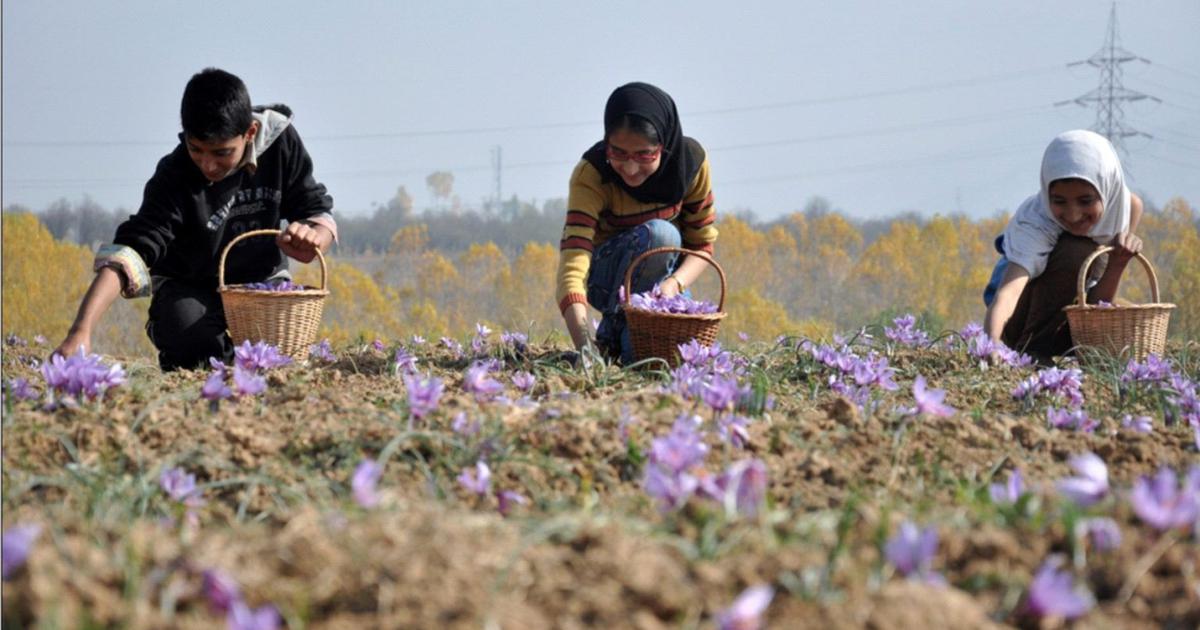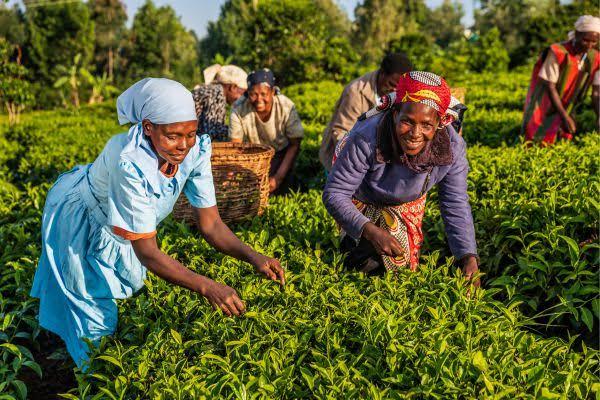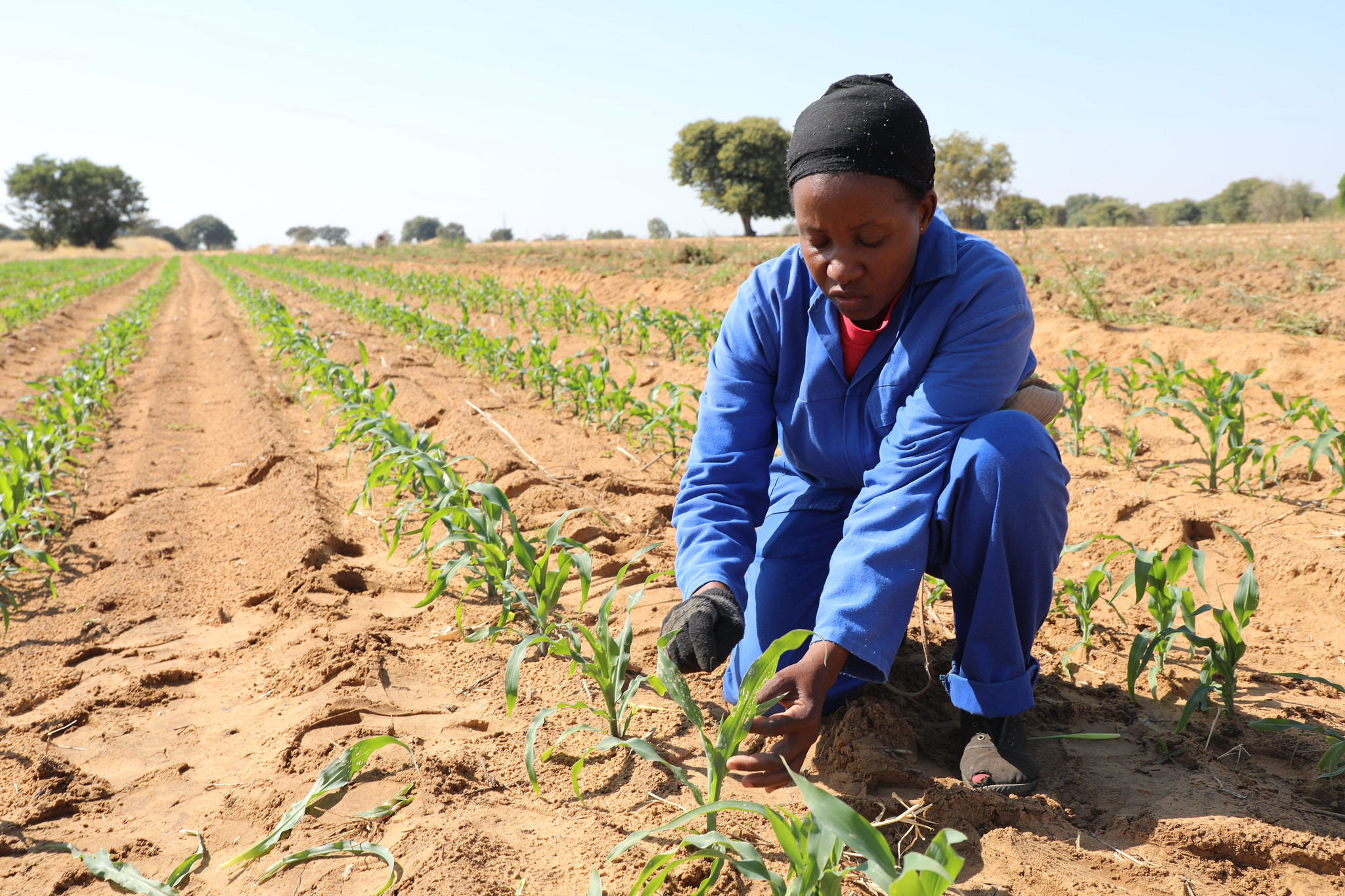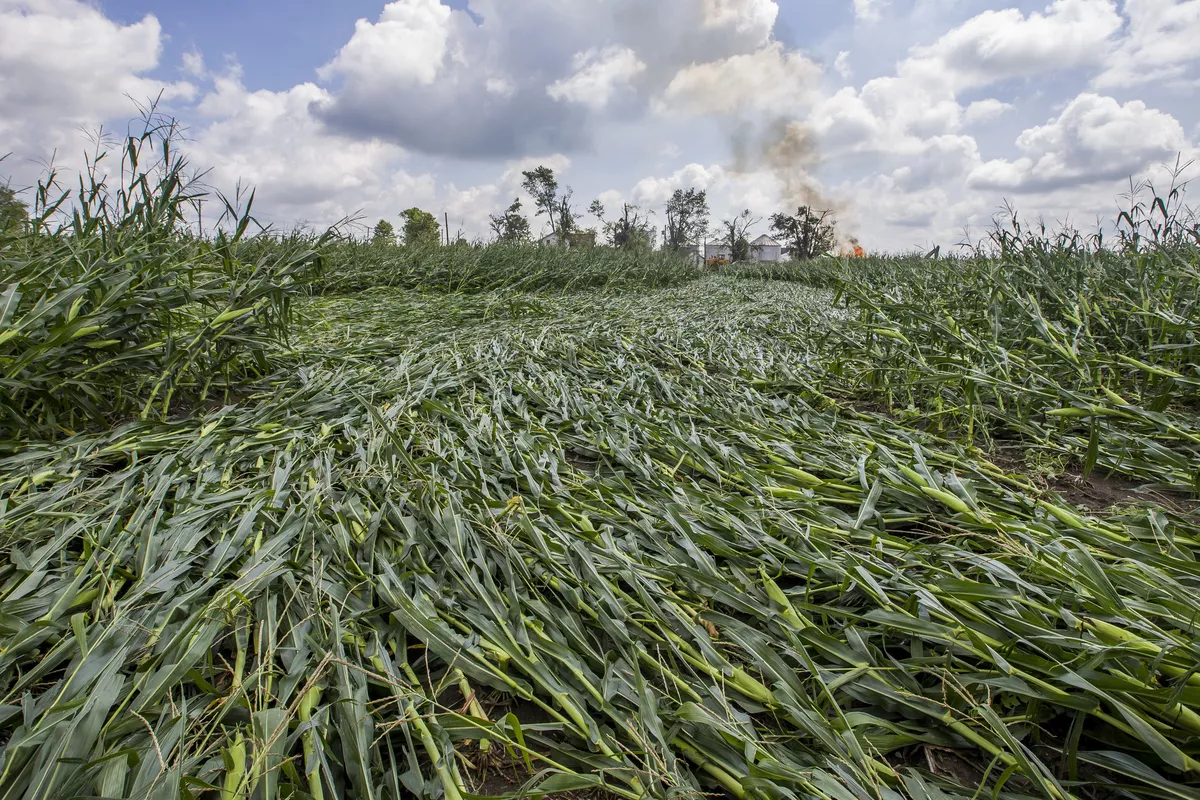
Farmers both contribute to the climate crisis – they’re responsible for producing at least 11 percent of U.S. greenhouse gas emissions – and can also be devastated by its harmful effects, with extreme weather commonly destroying crop yields.
The Department of Agriculture sends billions of dollars to farmers every year from a multitude of farm subsidy, conservation and crop insurance programs. These programs need to be evaluated to gauge whether they encourage farmers to reduce their greenhouse gas emissions and adapt to climate change.
Those that do not, like the federal Crop Insurance Program, are in need of reform. The program discourages farmers from adapting to climate change. This report recommends specific policies to reform the program so it better facilitates farmers’ adaptation to the climate crisis and costs taxpayers less.
The Crop Insurance Program discourages adaptation to the climate crisis
Many factors influence premium and premium subsidy costs for specific crop insurance policies: a farm’s historical crop yields, number of acres insured on the policy, type of crop, crop price, level of coverage and risks of potential loss.
Because many of these factors vary with changing weather patterns, the cost of the Crop Insurance Program, including premium subsidies, is highly likely to increase in coming years. Experts predict that, in a scenario of 1 degree Celsius of warming, premium subsidies could increase by 22 percent, and, given 2 degrees of warming, by 57 percent.
More on-farm adaptation to climate change could lower farmers’ risks of crop yield and revenue losses and reduce the cost of crop insurance. But in many ways the Crop Insurance Program effectively discourages farmers from adapting to the extreme weather conditions created by the climate crisis. Here are a few examples:
- Farmers are more likely to take risks when crop insurance pays for some of the costs of those risks. There is little incentive for a farmer to spend money on an adaptive practice when a crop loss is mostly covered by crop insurance.
- Since the program is so highly subsidized, farmers do not pay for the true cost of crop insurance policies. The subsidy itself may encourage farmers to take more risks, such as farming in areas that are no longer suitable because of the climate crisis. Since farmers do not pay the whole premium, they may not understand the full amount of risk they face each year and may also make riskier decisions.
- Insurance premiums in high-risk areas are often too cheap. The Government Accountability Office found that the differences between the premium target, which captures an accurate amount of risk, and the actual premium charged were largest in high-risk counties. Farmers are not paying enough for insurance in high-risk areas – those likely to struggle the most with extreme weather – so they have an even less accurate sense of the amount of risk they bear.
- Insurance premiums are based on historical crop yields, and policies last only for one year. Even recent history does not reflect what weather conditions and their associated risks will look like in the future. Any program whose policies are based on the past and last for just a year is not one that encourages planning.
- Crop insurance increases the production of crops on marginal, environmentally sensitive land that is likely to be most harmed by climate change.
- The program encourages the growth of corn and soybeans while discouraging the growth of crops that would grow better in extreme weather conditions.
- Crop insurance discourages farmers from adopting conservation practices that could help them adapt to climate change. Farmers must adhere to “good farming practices” to qualify for crop insurance, so if they try conservation practices that help them adapt to or lessen the impact of climate change but are not considered “good farming practices,” they may not be able to qualify for crop insurance.
Crop insurance reforms would reduce costs and facilitate climate adaptation
Reform of the Crop Insurance Program can encourage farmers to adapt to the climate emergency and reduce program costs, including premium subsidy costs that taxpayers pay.
There are many reforms that could help both lower costs and encourage adaptation:
- Reduce premium subsidies for the highest-risk farmers to encourage less production in these environmentally sensitive areas. Put some of the savings into easement programs these farmers can use to permanently retire their cropland.
- Factor recent weather events like drought, as well as projected weather, climate and crop yield data, into the premium rating process, instead of simply using 20 years of a farmer’s historical yields, and extend policies so they cover more than just one year. These changes could help encourage farmers to plan for the long-term, instead of basing decisions on the past.
- Require local agricultural experts, like extension agents who define “good farming practices,” to include many conservation practices in their guidance on what meets that standard. Or the USDA could create its own list of good farming practices and include conservation practices with proven ways to adapt to climate impacts and lower emissions.
- Change the subsidy structure to encourage more farmers to use the Whole Farm Revenue Protection policy, which can help promote crop diversification – a potentially useful adaptation technique – and is less costly for taxpayers.
- Eliminate the Yield Exclusion provision, which allows farmers in particularly dry or wet areas to ignore bad crop yield years when insurance guarantees are calculated.
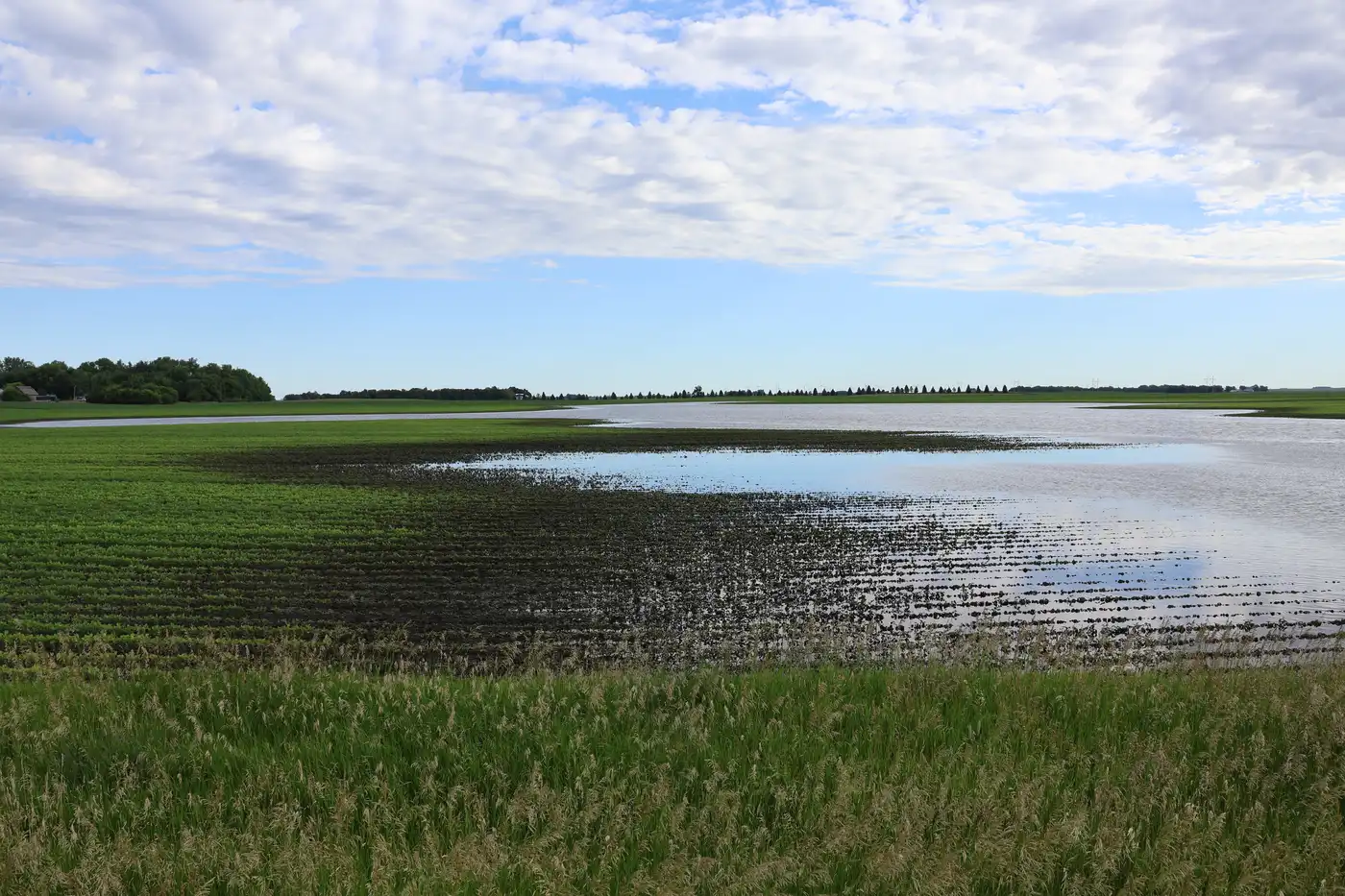
- Reduce crop insurance coverage levels for the Prevented Planting provision in the Prairie Pothole region, since it encourages farming in wetland areas that experience excess moisture in most years.
- Limit the total amount of premium subsidies each recipient can get, like farm subsidy programs do, and allow only farmers whose incomes fall below a certain threshold to qualify.
- Decrease premium subsidies for policies with the harvest price option, where insurance guarantees are based on the higher of the crop price either before planting or at harvest.
Reforms to the Crop Insurance Program can help farmers adapt to the climate crisis, cut taxpayer costs and facilitate nationwide adaptation to the climate crisis.
Source - https://www.ewg.org