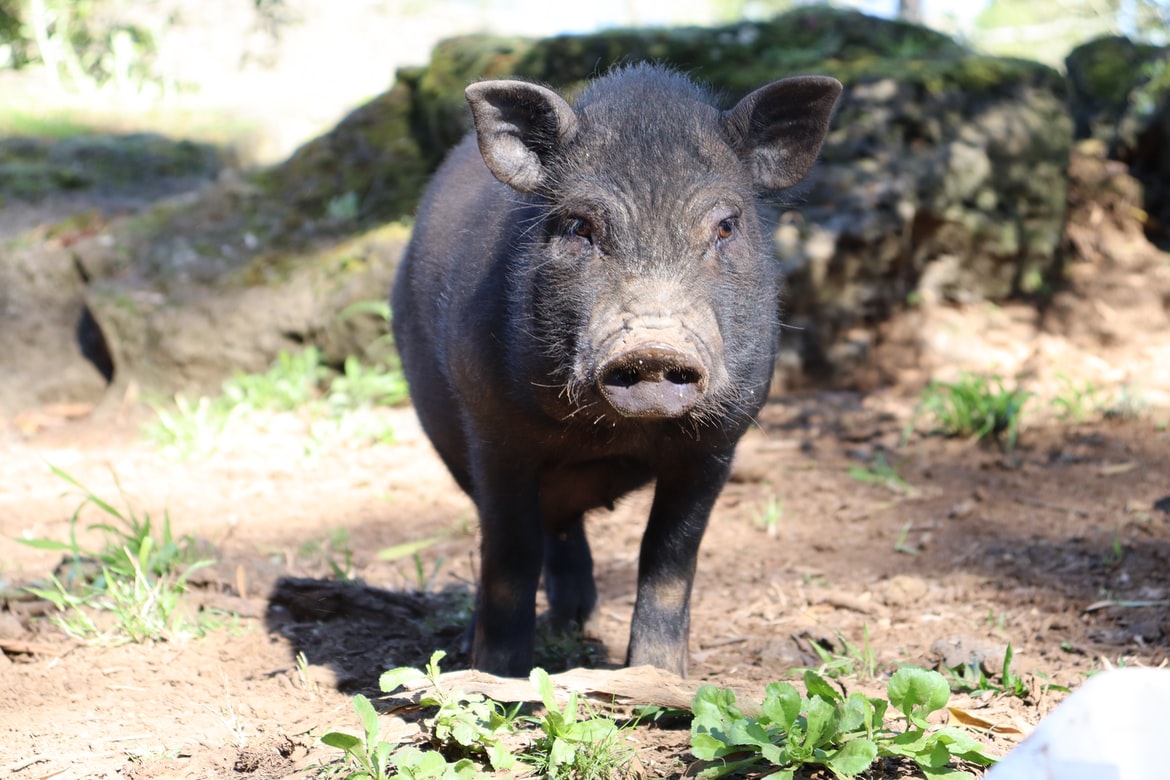
Local farmers said feral hogs are running rampant throughout the big country.
We talked to the Taylor County Extension Agent, Steve Estes, who said the feral hog population is growing rapidly.
"From October of 2022 to July of 2023 our trapper here, using the county traps, have trapped over 1,075 pigs," Estes said. "Feral hogs reproduce at such a high rate that you almost would have to take out 70% of the population annually, just to keep the population numbers in check and keep them from growing."
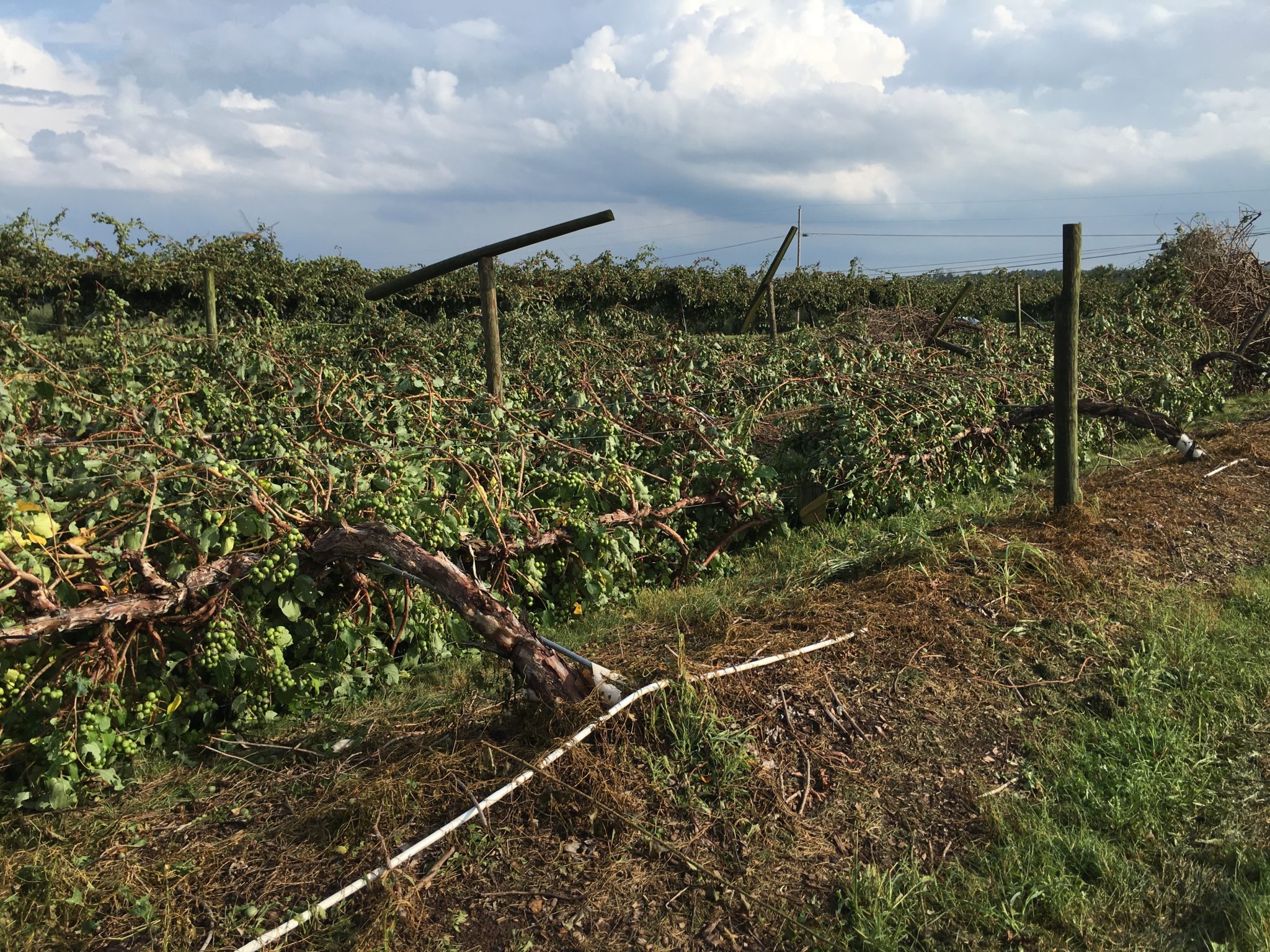
To some, feral hogs may seem harmless, but the threat they pose to agriculture is anything but.
"They cause a lot of damage," Tim Shields, a local farmer, said. "They tear up fences, I don’t know, they’re a terrible nuisance."
Shields told us they’ve had to adjust their entire crop rotation to keep feral hogs from destroying everything.
"We don’t have as many options as we once had," Shields said. "We tried sunflowers for a while. That worked for about three years before the hogs figured out they could knock that down and they eat sunflower seeds just like people do."
Shields said the hogs leave behind more than just tracks after they tear through his property.
"They’re nocturnal in their movements, so unless you’ve got some kind of a means to be up at night to try and shoot them or run them off, most of the time you don’t ever see the hogs, you just see where they’ve been," Shields said.
Shields has a neighbor who has trapped 247 feral hogs, but he says this doesn’t even make a dent in the population.
"They get a spot and they just knock it all down," Shields said. "They knock down way more than they eat, it’s just like they wanna destroy things."
The damage these hogs cause can be detrimental to farmers and their crops.
"It’s been a while, but I had one neighbor that had some beardless wheat," Shields said. "It looked like it would make 30 bushels and when I think he cut it about seven and a half, so that was in rough figures about an 80 dollar an acre loss, just because of feral hogs."
Estes told us in an effort to decrease the feral hog population, some counties have grants that allow a wildlife services agent to trap hogs on landowners’ properties. Other counties, like Jones where Shields has farmland, are left to solve this problem themselves.
Source - https://www.news4sanantonio.com