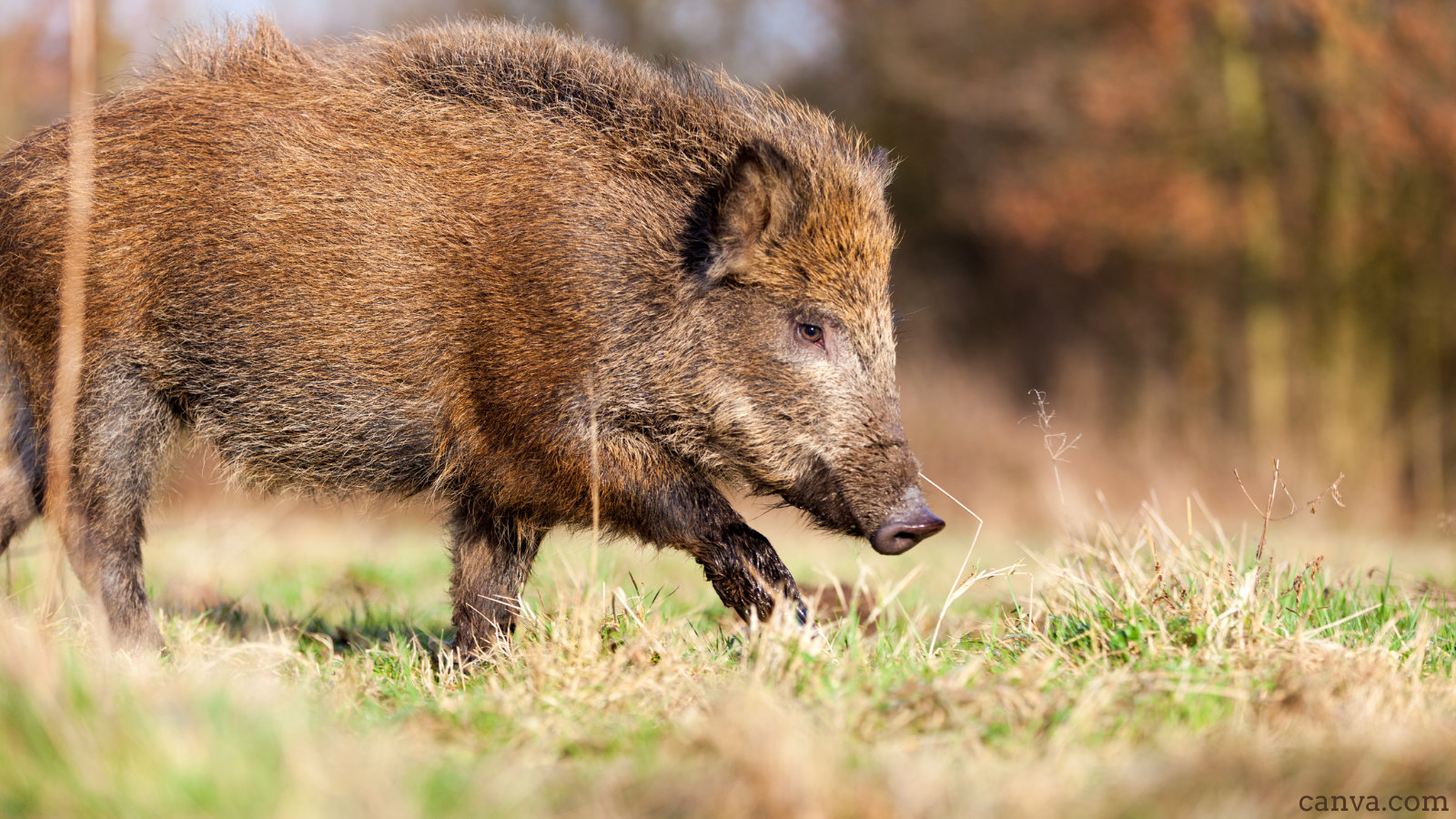
Officials have asked the public to watch for feral pigs in eastern Florence County and perhaps neighboring Marinette County, especially during hunting season.
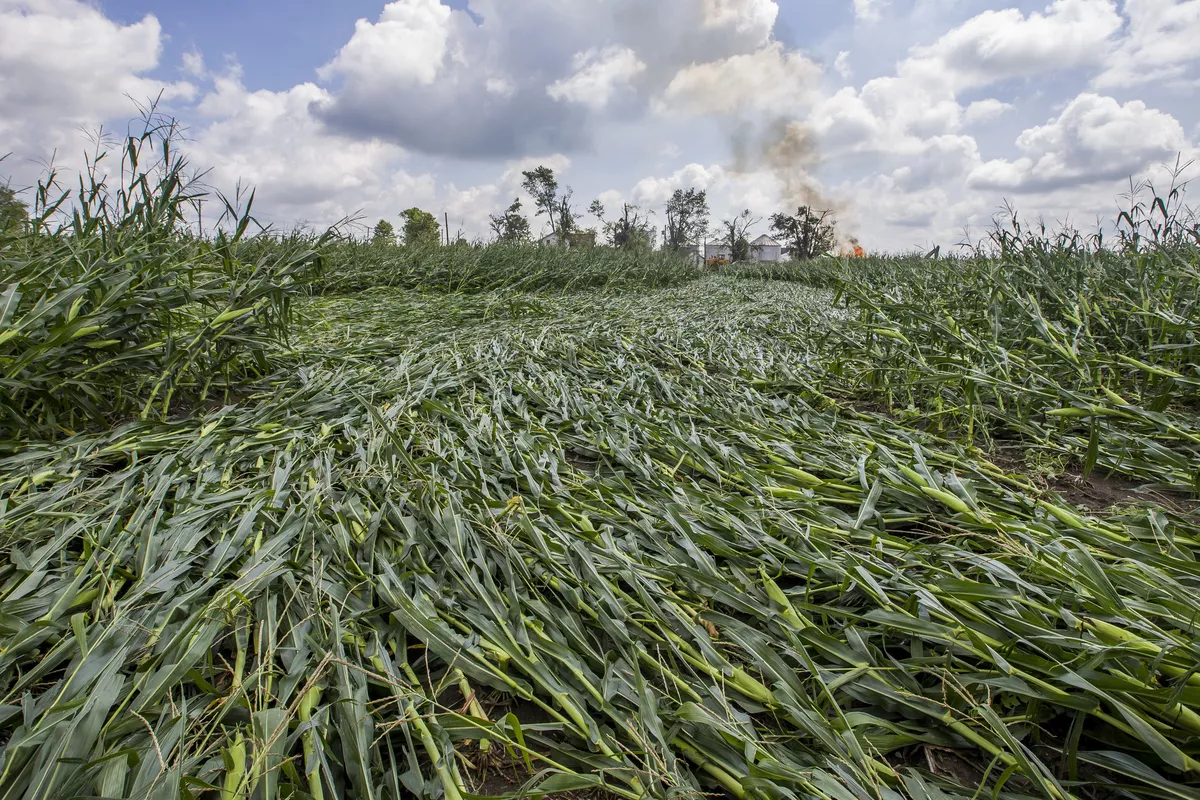
Feral pigs descend from domestic swine that have escaped into the wild. They are being blamed for recent crop damage on two Florence County farms, according to the U.S. Department of Agriculture’s Animal and Plant Health Inspection Service-Wildlife Services.
This suspected small population of feral pigs are thought to be in eastern Florence County north of Dunbar in Marinette County, Marinette County Conservationist Sheri Denowski said in a news release.
The Wisconsin Department of Natural Resources and the Florence County Land Conservation Department stated they are joining the USDA’s efforts to find and remove these invasive and destructive animals.
“From the crop damage we know they are in the east side of the county near the Homestead, Aurora and Commonwealth town lines,” said Scott Goodwin, Florence County conservationist. “But we do not have any direct sightings yet.”
“We need to know how many pigs there are, but also where and how they are using the landscape to den, move and feed,” said Andrew Marzec, wildlife specialist with the USDA-APHIS. “We will use that information to determine the best methods for removal. We have set trail cameras in the area to help locate the pigs, but we cannot cover hundreds of acres.”
Goodwin added, “Florence County has many places the pigs can hide but as the fall hunting season starts, we are asking for hunters, and the public’s help in locating the animals. If you see a feral pig, either in-person or on a trail camera, please report the sighting.”
Feral pig reports can be made by phone to the USDA at 1-866-487-3297, the WDNR at 608-266-2151 or the Florence County Land Conservation Department at 715-528-5940. Sightings can also be reported online at https://dnr.wisconsin.gov/topic/hunt/feralpig.
“Each year we receive reports of feral pig sightings and harvests from around the state,” said Liz Tanner, wildlife damage program assistant for the Department of Natural Resources. “Fortunately, most of these reports turn out to be domestic pigs that have escaped confinement however any report of feral pigs is of interest and concern given the negative impacts they can have on the environment, agricultural crops, and our domestic swine industry.”
Feral pigs have been defined as “existing in an untamed or wild, unconfined state, having returned to such a state from domestication.” Feral pigs can be found across a wide variety of habitats and are highly destructive because of the rooting they do in search of food. They’re also efficient predators, consuming many species such as white-tailed deer fawns and ground-nesting birds like grouse, woodcock, turkeys and songbirds.
Feral pigs are known to carry a number of diseases humans and domestic swine can contract, including swine brucellosis, pseudorabies and leptospirosis, officials said.
For removal purposes, feral pigs are considered unprotected wild animals and may be hunted year-round. Also, feral pig hunting hours are the same as for deer during the nine-day season. During the rest of the year, there are no hunting hour restrictions for feral pigs.
Wisconsin has no bag limit on feral pigs. Landowners may shoot feral pigs on their own property without a hunting license. Anyone else can shoot a feral pig as long as they possess a valid small game license, sport license or patron license and have landowner permission if they are on private land.
But while the DNR encourages the removal of feral pigs, Tanner cautions that before shooting one, “landowners and hunters need to be sure the pigs meet the definition of feral swine in an unconfined environment, outside of an enclosure for more than seven days, and they are not a neighbor’s domestic pigs that may have just recently escaped. Hunters could be liable for the replacement cost of the pig if they are domestic.”
Source - https://www.dailypress.net