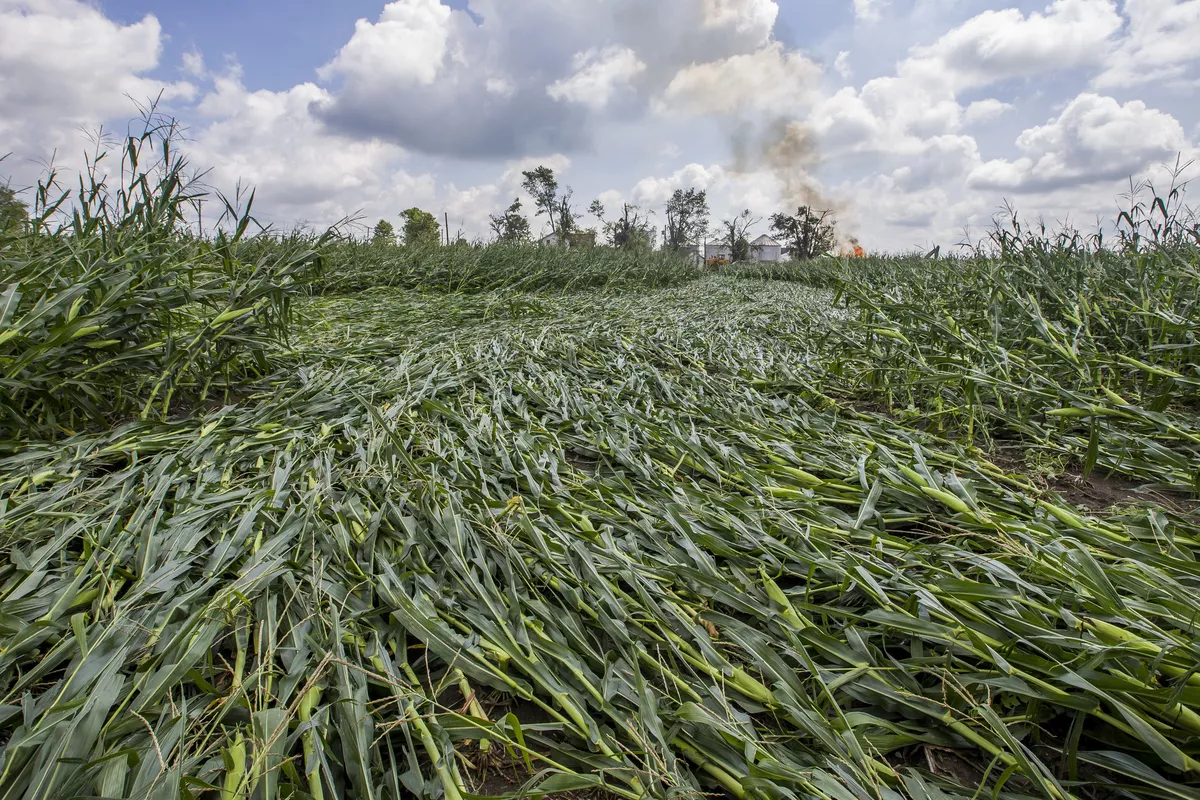
You can blame California's wild winter for all sorts of havoc this spring and summer: moldy, leaking roofs, plagues of mosquitoes, cabin fever.
Giant, less-flavorful strawberries also deserve a spot on that list.
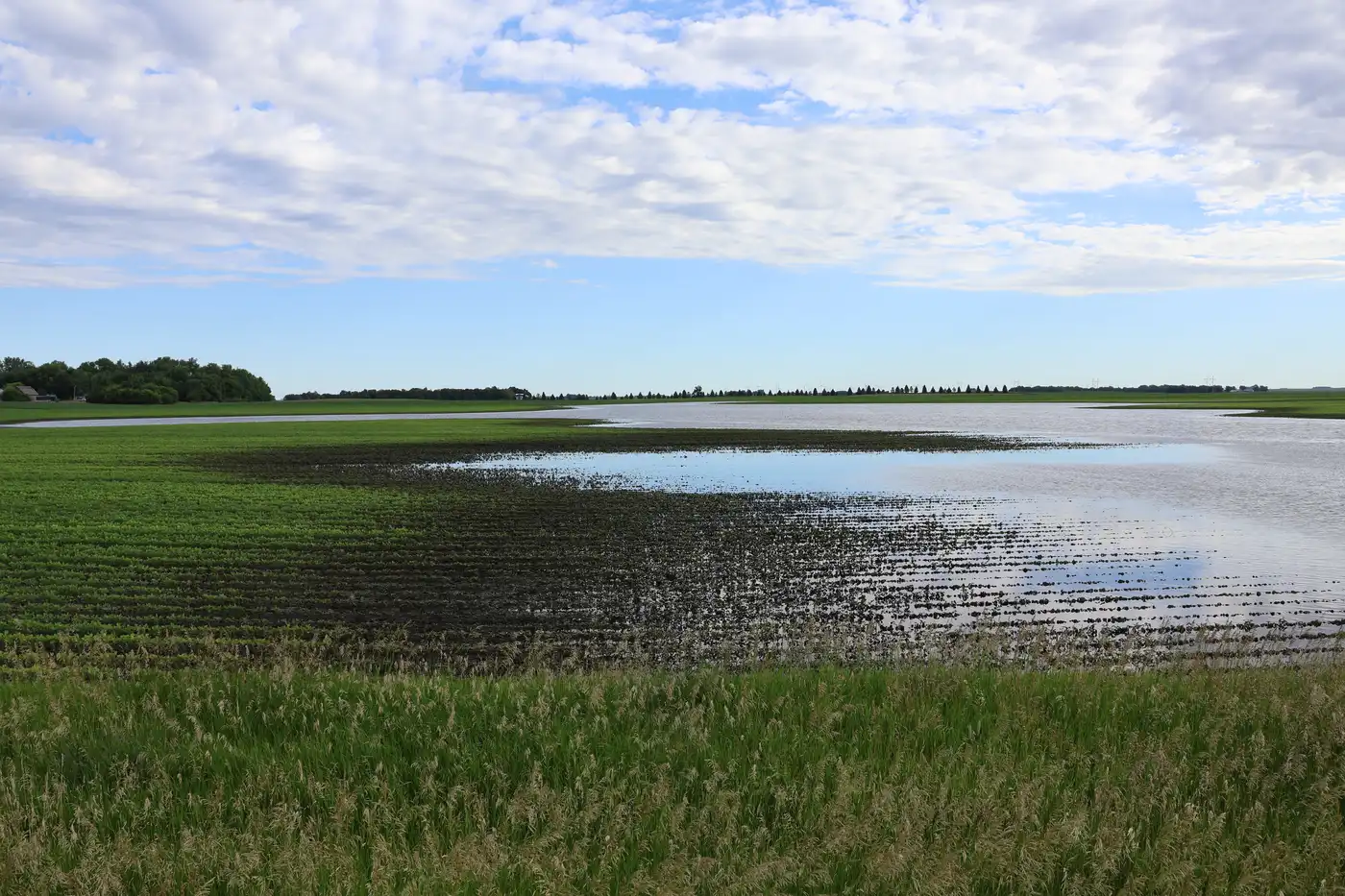
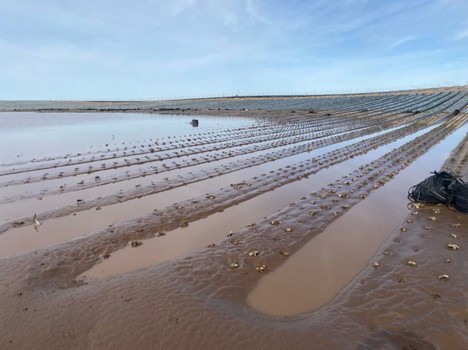
California produces 90% of the nation's strawberries, which typically enjoy a growing season that starts as early as January and lasts until July. Peak season usually begins in March. But this year, thanks to a series of deadly atmospheric rivers this winter and spring, a deluge of rain flooded the state's strawberry fields in Watsonville and Salinas, washing away two to three months of the season. Earlier reports this year have estimated $200 million in damage to crops, property and equipment. The California Strawberry Commission confirmed at least $100 million in crop loss.
"We lost 1,300 acres of strawberries. We are delayed. Even fields that have not been flooded have been delayed about two months," said Mark Bolda, a farm advisor in Santa Clara County who specializes in strawberries and caneberries.
As the unseasonably cool weather continued, recovery was slow. Damaged plants had smaller leaves to absorb sunlight and photosynthesize. And with more cloud cover and less sunlight, the plants retained excess water and stored energy in starch reserves, affecting both their size and their flavor.
"Normally by March and April, we would get sunshine," said Kohl Gean, a deliveries and farmers markets manager at Harry's Berries, which advised its social media followers in April that due to the weather, the strawberry season would be three months shorter than usual.
When Zandler Chavez, who works at the Harry's Berries stand at the Santa Monica Farmers Market, sampled the berries about six weeks ago, the difference in flavor, he said, was obvious. "I just took a bite and it tasted like pure water from the tap and it's kind of weird."
Per regulations established by the U.S. Department of Agriculture, growers cannot pick flooded fields for commercial purposes until two months after the recession of the waters due to food sanitation concerns.
"If they have fruit on there, they get picked and thrown away," Bolda said.
Most farms have fixed costs such as labor and planting, as well as forward contracts that set berry prices for wholesalers in advance, Bolda said. These factors make the shorter strawberry season a challenge for growers as they make adjustments.
"Strawberries used to have that advantage of being earlier in spring. Now all the other stone fruits are coming in and the growers are competing with all that other stuff," he said.
For Harry's Berries, the financial hit meant increasing prices — the wholesale price for a box went up to $14 — and adding more jams and juices to the lineup to make up for the lost revenue.
Source - https://www.salemnews.com