While the West Coast heat wave continues, the East is also contending with challenging weather conditions including a heat wave.
"The hot temperatures have definitely impacted markets," says Neil Mazal of East Coast Farms & Vegetables. "Georgia and South Carolina have been impacted by excessive heat and that has been pushing a quicker end to some of the crops than would be normal."
In peppers, Mazal says the green pepper deal is largely finished in the Southern growing regions. "A lot of the growers have got mixed red pepper or suntan pepper because the heat and dry weather has pushed maturity and stressed the plants. Earlier in production, the stress caused either fruit or bloom drop and now it's just pushing maturity and creating softer, shriveled peppers."
Too much or too little moisture
So while North Florida and Georgia have been relatively dry compared to normal conditions, other regions such as South Florida have recently had unusual amounts of rain and areas such as Fort Lauderdale and Miami have seen flooding. "These are the challenges with the diverse weather conditions now. Some areas are getting too much water and other areas are too dry. Combine that with the heat and that creates major problems for open field production," he says.
This is partly what's contributing to a stronger pepper market which had been in the $20s–high for normal markets at this time of year. "A lot of that was driven by the warmer temperatures causing the issues and and production and quality," says Mazal, adding that the red pepper market is extremely elevated with quotes landing in the $40 FOB.
Meanwhile, with pepper production in Georgia and South Carolina finished and moving north, there's not enough production yet in regions such as Michigan, New Jersey, or Tennessee due to weather conditions, though the latter seems to now be coming on with some volume.
Transportation affects markets too
Also impacting markets are the challenges of transportation on a holiday week–one where July 4th falls on a Thursday and stores generally need to have product in stores by Monday. "The pepper market instead of declining, the auction in New Jersey was higher because they were filling in for shortages because the heat wave was impacting good quality peppers," says Mazal.
Production awaits in Michigan, New York, and New Jersey, and field-grown peppers in Canada. However, cooler temperatures in the Northeast, particularly in the evenings, have delayed production on peppers in those regions and triggered a gap between these regions and the Southeast ones.
Then there's squash. "It got very very cheap and was very challenging because the heat brought on production for summer squash–it was available everywhere," says Mazal, adding that a sparse market went from $16-$18 FOB to being $5 upwards. "The heat pushed the production and maturity on the squash program as well."
Other commodities
Even corn, which instead of being elevated for the 4th of July, backtracked to some reasonable prices while watermelon stayed fairly expensive due to a lack of rain and the heat. That meant that premier sizes, 36s, and 45s, were more scarce and boosted the market.
The bigger concern though that Mazal has is the message being conveyed via the industry. "The industry's not doing a good enough job of getting information to the public because outdoor growing costs are rising for farmers," he says. "Irrigation costs such as installing drip irrigation into fields that maybe normally would have overhead irrigation are getting more expensive. With the hotter weather and drier weather, the evaporation rate has also increased, so drip irrigation becomes a bit more effective but also more expensive to put in the ground."
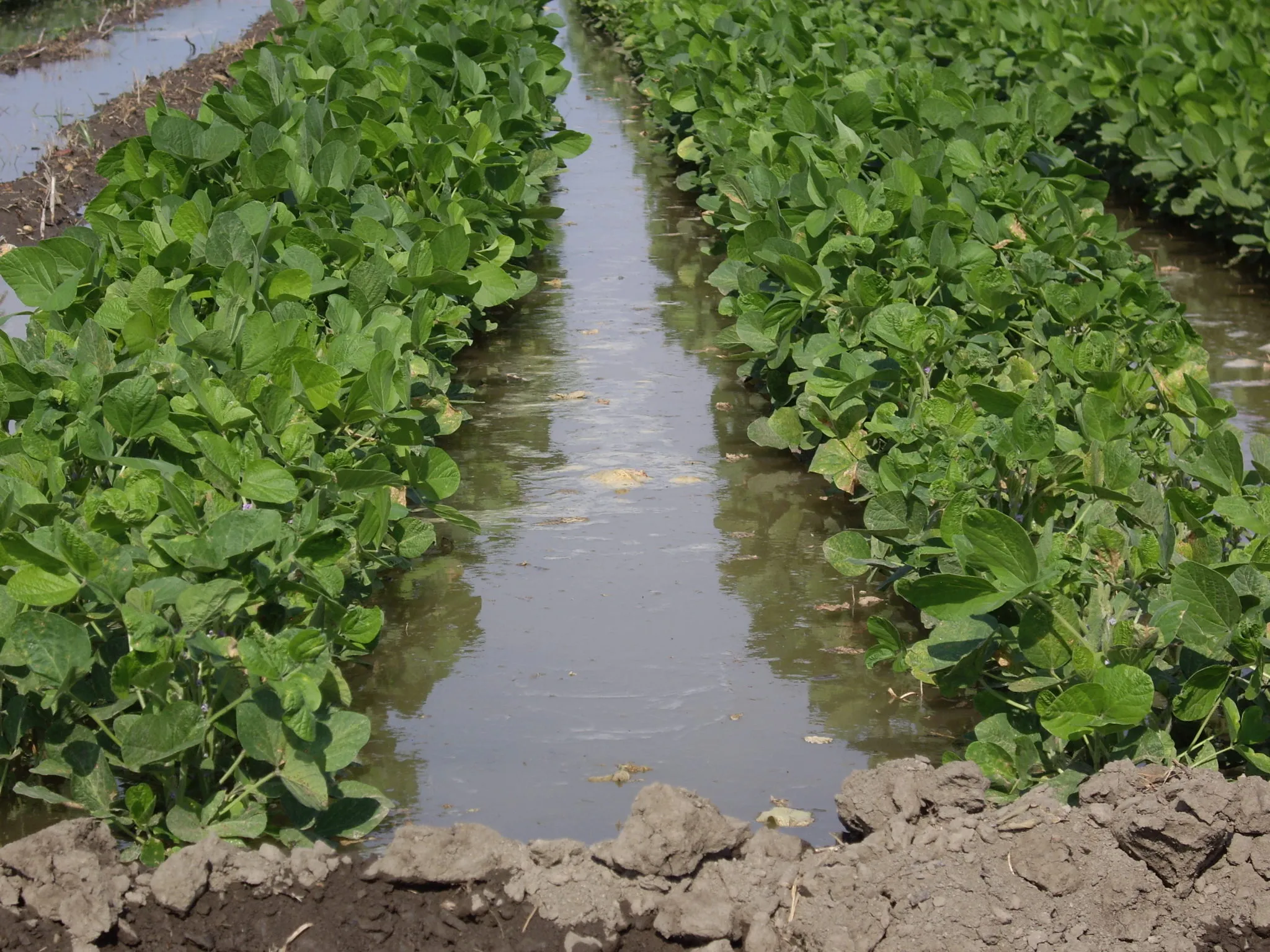
After all, other irrigation methods such as trench irrigation, the most economical way to do it, are becoming less effective. "People are looking at drip irrigation going forward because it also allows for the implementation of feeding the plant and adding nutrients to the soil. Future consideration has to be given to more expensive ways of watering and caring for open field production."
Source - https://www.freshplaza.com