For the growing and harvesting of cherries, timing is everything — and for the past two seasons, extreme weather has struck at the worst times for Yakima Valley cherry growers.
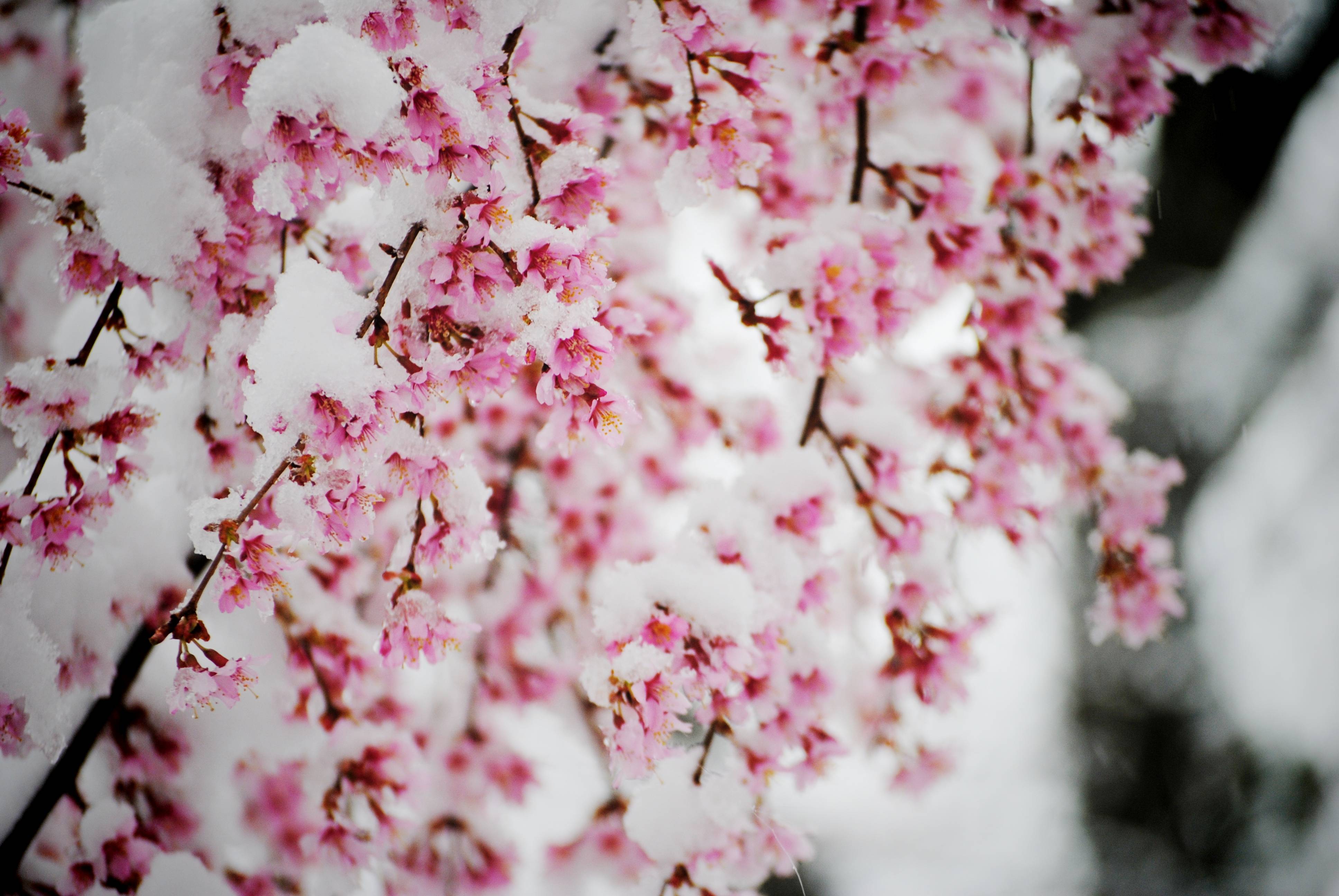
A record-setting heat wave in late June and early July damaged many cherries before they could be harvested last summer, reducing the crop by roughly 20%. And in April, a two-week stretch of below-freezing temperatures hurt the flowers and pollination of Yakima Valley cherry trees, growers and tree fruit experts say.
“For our region, the (two-week cold snap) definitely overlapped with the peak in flowering for cherries,” said Matthew Whiting, Washington State University horticulture professor. “I think the cold weather impact is going to be most severe on our stone fruit, especially cherries.”
Two local cherry orchard owners agreed with Whiting’s grim analysis after April saw an average low temperature of 30.8 degrees in Yakima.
After a warmer-than-normal March, 23 out of 29 days (through April 29) recorded below-normal temperatures, according to the National Weather Service’s Pendleton office. Sixteen of those days had low temperatures below freezing, with record lows of 21 degrees at the Yakima airport on April 15 and 17.
“I’m in a very cold spot, so basically I’ve had 100% loss,” said Greg Strutner, owner of Moon Blossom Cherries near Gleed. “The stamens on my blooms are all frozen. There’s lots of pollen, but there will be no fruit.
“The biggest problem is it got cold for so long. Even if you had wind machines, it made no difference,” Strutner added. “I have a full-time job, and just have 3 acres (of cherries), but for those who farm commercially, this is going to be devastating to a lot of people.”
Mark Barrett, owner of Barrett Orchards in northwest Yakima, said the stretch of cold temperatures and occasional snow from April 9 through April 23 were combated with wind machines and sprinklers, which can have a slight heating effect even on the coldest nights.
“It’s a mixed bag,” Barrett said. “We definitely have some freeze damage, but we also have some cherry blocks that were in wind and water protection. We just don’t know if they’ll be pollinated.”
Cold weather slows down bees
The pollination process is dependent upon several steps happening in the right order, Whiting said. These include having pollen that is alive, compatible and available; having that pollen transferred to receptive stigmatic surfaces of flowers (mostly by bees); and having conditions favorable for pollen germination and growth.
Generally, warm conditions accelerate each step of the pollination process, and the process is slower during cold-weather conditions, Whiting said.
“Our two main areas of concern are issues with fruit set — pollination — and cold temperatures damaging floral tissues in trees,” he said. “What’s unique about this year is there were prolonged periods where the temperatures didn’t rise to the point where bees are active.”
Generally, bees hunker down and do not circulate among flowers if the temperature remains below 55 degrees, he said.
“That’s the point above which the bees are active and get out and forage,” Whiting said. “There’s some hope that the flowers that had opened and avoided major damage will still be viable, and that the bees might still set a crop.”
An alternative to bees is applying pollen via an electrostatic sprayer, a service provided by several commercial companies in the region.
“With this technology, bees do not need to transport or move the pollen,” Whiting said. “So under low bee activity, spraying pollen can be a good solution.”
Cherry flowers are fading
The key is whether the final week of April’s relatively warm temperatures, with highs in the 60s from April 21-26, coincided with enough blooming flowers on cherry trees.
Barrett said on April 28 that while a few trees remained in flower, most had turned green.
“Of all the fruit trees, cherries are the most temperamental when it comes to the flower, to the bees, for the timing of pollination,” he said. “Some years it can be three days (for pollination), but this is a wild weather year so I don’t know.
“Usually in a cool spring, we have about seven days (for pollination). This year we’ve had 14 days in flower, but 10 out of those 14 days have been cold, so the bees did not work.”
It will take a few weeks to see how this year’s “iffy” pollination, as Barrett termed it, translates into a healthy cherry crop. Warmer weather would help, and as of April 29, a date when the weather service reports an average high of 70 degrees for Yakima, the Upper Valley still has not seen an April high temperature of 70 or greater.
Both Barrett and WSU’s Whiting are trying to remain optimistic.
“We worry about freeze damage and the lack of bee activity below 55 degrees, but I’m always impressed by the ability of these farm systems to set fruit and have a decent crop in spite of challenging conditions,” Whiting said. “We’ll see how things look in a few weeks.”
Source - https://www.yakimaherald.com