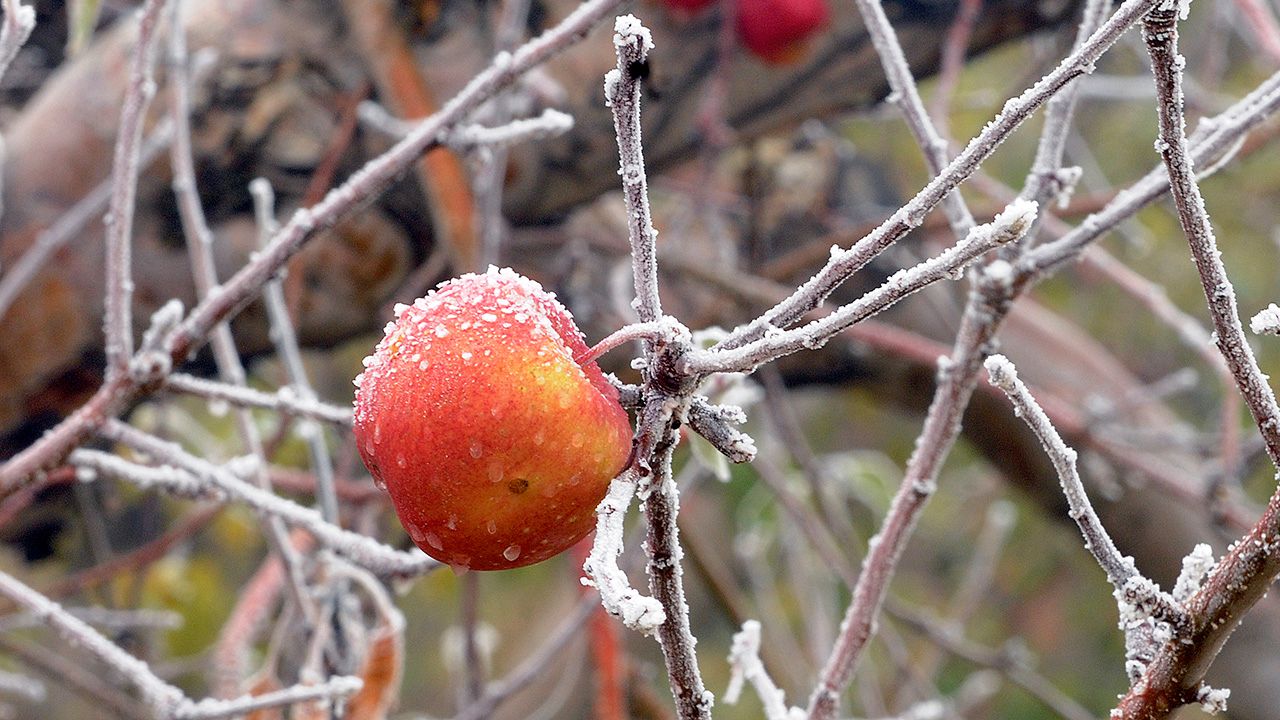
Because of the May 17-18 frost, Tom and Sylvia Smith, owners of Mad Tom Orchard in East Dorset, estimate only 10 percent of their apples will ripen. Instead of its usual six- to seven-week “u-pick” season, this year likely will have just two weekends in mid-September.
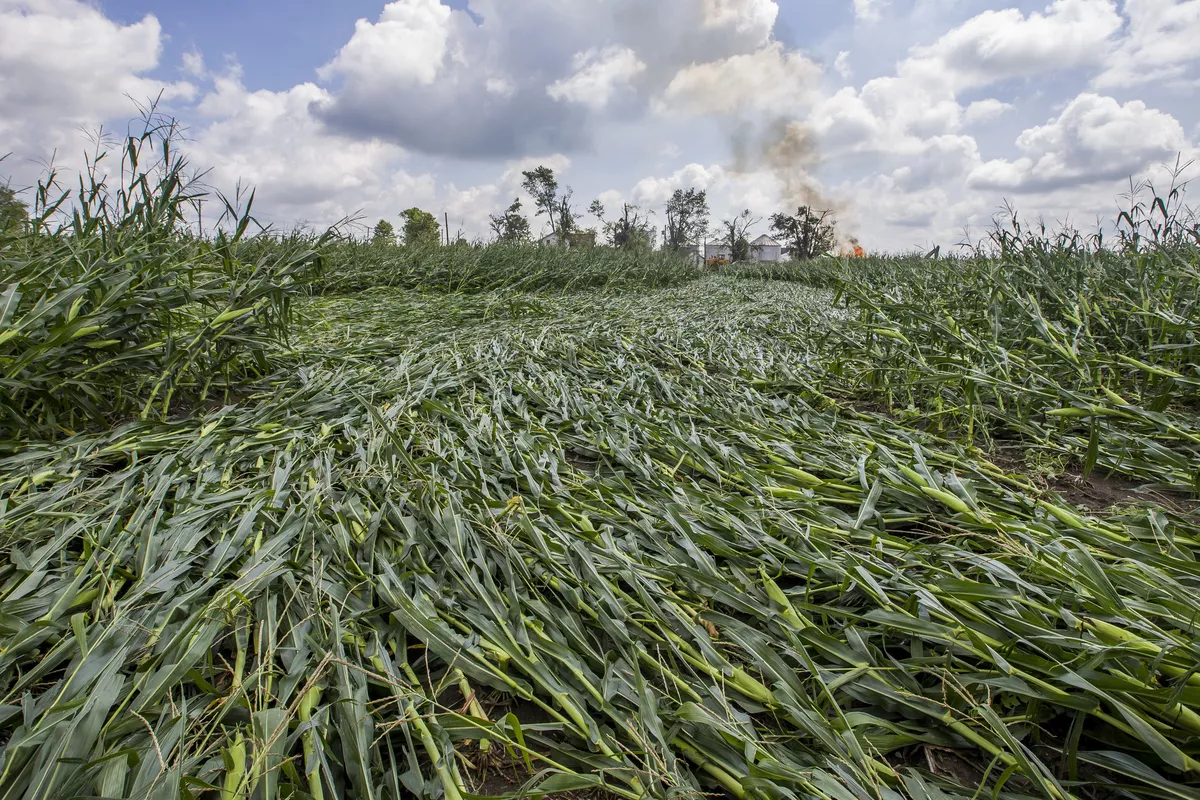
The crop loss at Mad Tom Orchard reflects crop damage throughout Vermont. Last week Gov. Phil Scott requested that the U.S. Department of Agriculture declare a crop disaster as a result of the frost, which could enable compensation for growers who suffered losses and encourage them to stay in business. A University of Vermont (UVM) survey estimated an apple crop damage of 95 percent across the state.
The frost damaged the crop in two ways, said Sylvia Smith.
“In a lot of cases, the fruit just didn’t set, so there’s very little fruit on the trees,” she said. “The other case is that the fruit did set, but it’s damaged with frost rings, splits and cracks.”
“Individual flowers last three days,” explained Smith, “but the bloom lasts maybe a week. It’s spread out, according to different varieties” and the tree’s location. The frost hit when the trees were in full bloom.
Mad Tom Orchard’s old Macintosh trees “survived the frost pretty well,” she said. “Cold air rolls down like water, so the trees at the top do better than the ones at the bottom.”
On the Smiths’ property, the Macintosh trees up near the road were bearing apples the size of large marbles in the third week of June, while newer Zestar apple trees lower down bore no fruit. The Honeycrisp crop is “essentially zero,” said Smith.
Beforehand, they did consider ways of mitigating the effects of the frost. However, spraying the trees to create a thin layer of ice, which is sometimes used prior to frost, has little record of success. In addition, forty acres cannot be covered for protection. One year during a freeze, Smith drove his tractor around in the orchard to stir up the air, but “we don’t know if it did any good,” said Smith.
“There was one theory coming out of UVM the very morning of the frost saying if you got this particular kind of plant hormone and sprayed it on your fruit, they might be fooled into thinking that the seeds were still live — because it’s the seeds being alive that cause the fruit to grow,” she explained. However it was unclear if the hormone would work, and “ it turns out there were six bottles of it in the state of Vermont.” Given this year’s damage, the Smiths anticipate that there will be further research on the effectiveness of applying that hormone.
In the end, the Smiths were powerless against the frost.
“You hope nature will be kind,” said Sylvia Smith. This May, nature wasn’t.
Instead of a fall spent serving 10,000 cider donuts and hosting 2,000 apple-pickers on a busy day, Mad Tom Orchard this year will scale back drastically. The orchard did not have insurance; they found the premiums were not worth the level of compensation that they had received on previous claims. And since the orchard did not have insurance, it is unlikely to qualify for possible government support, especially since it is on a much smaller scale than many orchards in the state.
Despite the damage, the Smiths have a positive outlook.
“Fortunately the trees are healthy, and we’re healthy,” Sylvia Smith said. They look forward to next year and what they hope will be a return to less extreme conditions.
Source - https://www.manchesterjournal.com