USA - Georgia's peaches knocked out by a 1-2 punch of climate trends and bad weather

24.05.2023 588 views

Fans of Georgia peaches may have a tough time finding them this summer as a mix of long-term climate trends and a spate of bad weather added up to an almost entire loss of the state’s crop. 

First, the climate: Peach trees need what growers call chill hours, or time in which unopened blossoms are in sub-45-degree temperatures, before they can make fruit.

Data from the University of Georgia Extension Service describes how chill hours have been on a steady decline for at least 80 years. 

Even so, natural fluctuations in that trend still meant there were around 800 or so chill hours this year, just on the line of what is adequate, if not ideal, for some peach varieties grown in the state.

But then came the weather, said Lanier Pearson of Fort Valley’s Pearson Farms.

It was just kind of like a perfect storm of warm winter, warm February as they're trying to come out of hibernation,” Pearson said. 

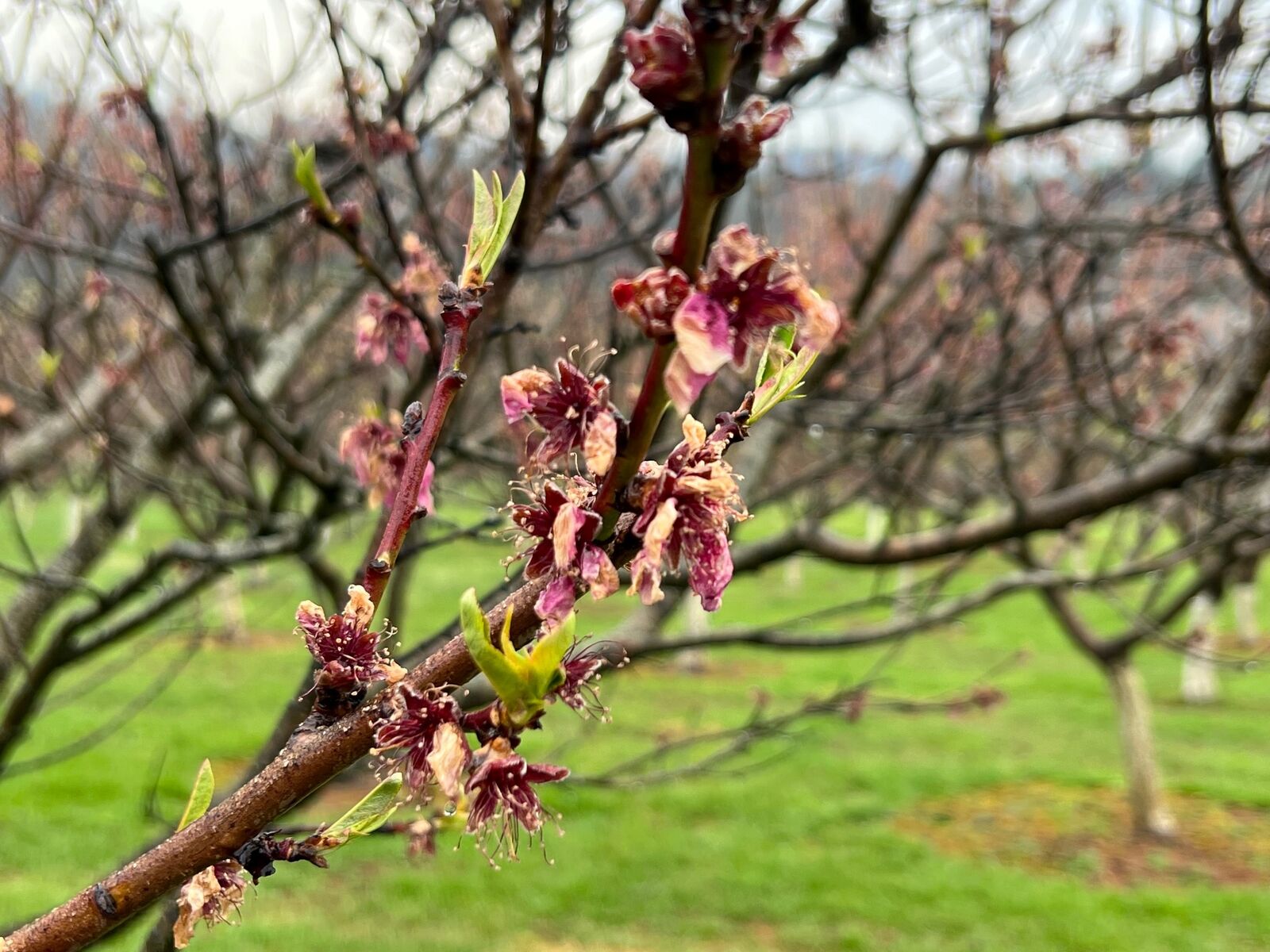
Unseasonable warmth in February hastened the blossoms' development, leaving them vulnerable to what came next: an extreme snap of cold in March. 

“We were in the tender developmental stage of the bloom,” said Dario Chavez of the UGA Extension Service. “That freeze basically took all the flowers.” 

Chavez said that axed about 95% of the state’s typical peach crop. At Pearson Farms, Lanier Pearson estimated their loss at about 90%

“We haven't seen a loss like this since 1955,” she said. 

Still, she said the Pearsons are grateful for the few peaches they do have.

Back in '55, a Pearson two generations back ran the family farm.

“And the story is that he found two peaches on the entire farm,” Pearson said. “So it's not that bad this year, but it's pretty bad.”

Source - https://www.gpb.org

04.05.2026

Bulgaria's Kyustendil cherry crop severely affected by frost for second consecutive year

Frosts have caused critical damage to cherry orchards in the Kyustendil region of Bulgaria for the second consecutive spring, with producers reporting near-total crop losses. 

04.05.2026

Vietnam - MoF moves to expand farm insurance support and eligibility

The Ministry of Finance has proposed sharply increasing agricultural insurance premium subsidies to up to 95 per cent and widening the pool of eligible beneficiaries to better share risks with producers, stabilise farm incomes, and strengthen climate resilience.

04.05.2026

Bangladesh - One lakh hectares of rice fields go underwater in haor regions

What should have been a vibrant harvest season in the country’s haor belt across seven districts has instead turned into widespread devastation. 

04.05.2026

Philippines - P150-M insurance buffer vs El Niño but PCIC limits coverage to irrigated farms

The Philippine Crop Insurance Corporation (PCIC) in Western Visayas has set aside P150 million in drought insurance as El Niño conditions intensify, with officials warning that the region is already nearing “critical” risk levels that could threaten thousands of farmers in the coming cropping season.

04.05.2026

Indian banana crops damaged across 809 hectares in Tamil Nadu

Strong winds and heavy rainfall in parts of Tamil Nadu have damaged banana crops across districts, including Theni, Dindigul, Coimbatore, and Salem.

04.05.2026

Poland reports up to 100% fruit crop losses after late April frosts

Fruit growers in Poland are assessing losses after late April frosts damaged crops across multiple regions, with eastern areas most affected and stone fruit production under pressure.

03.05.2026

Vietnam - Aid for agricultural insurance premiums proposed to rise

The Ministry of Finance has proposed increasing support for agricultural insurance premiums and expanding eligible beneficiaries in a move aimed at encouraging greater participation by farmers and agricultural organisations.

03.05.2026

USA - MDARD Awards Over $3.2 Million Through Resilient Food Systems Infrastructure Grant Program

The Michigan Department of Agriculture and Rural Development (MDARD) today announced more than $3.2 million of grants to 10 Michigan entities through the U.S. Department of Agriculture’s (USDA) Resilient Food Systems Infrastructure (RFSI) Grant Program.