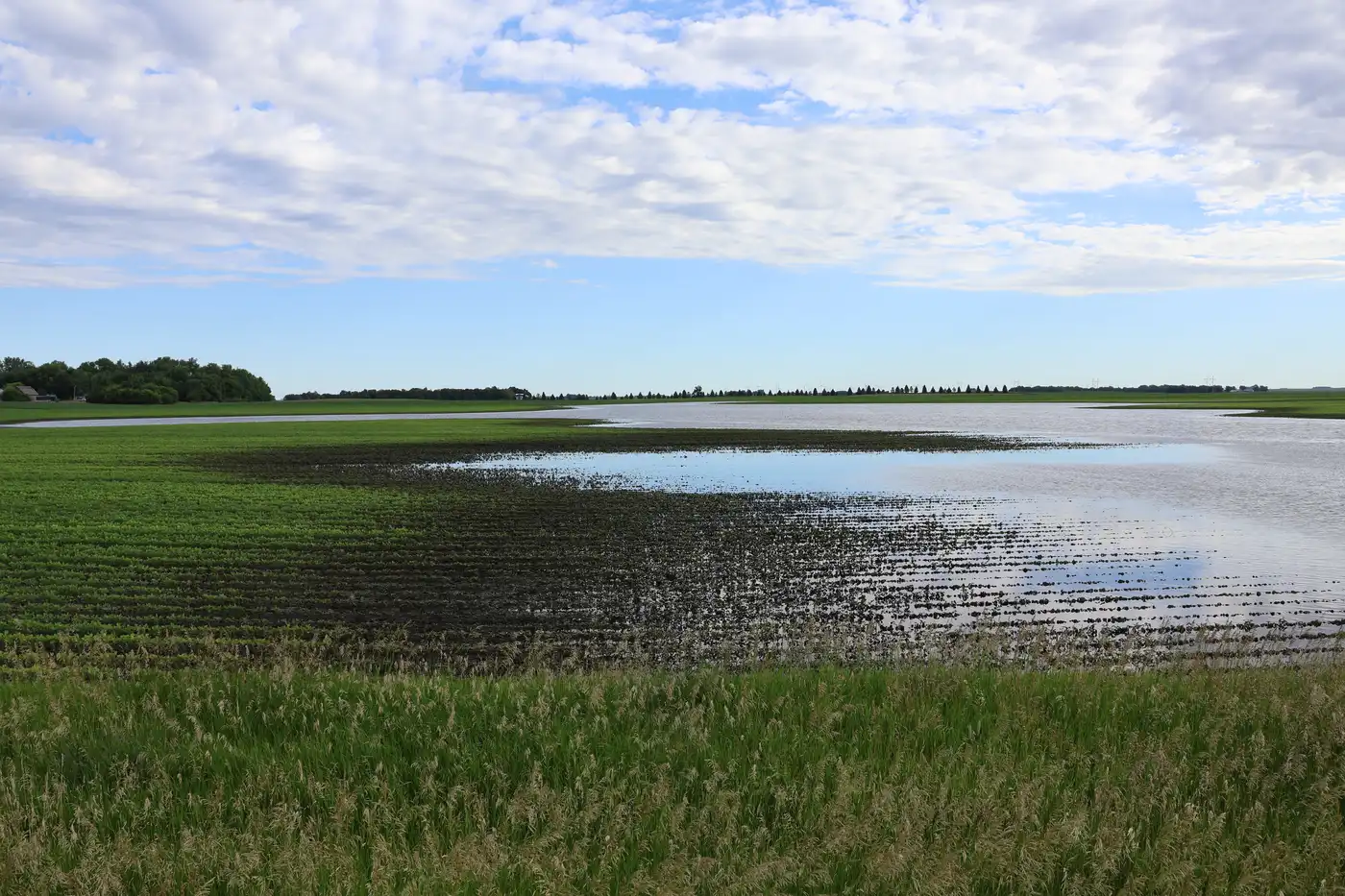
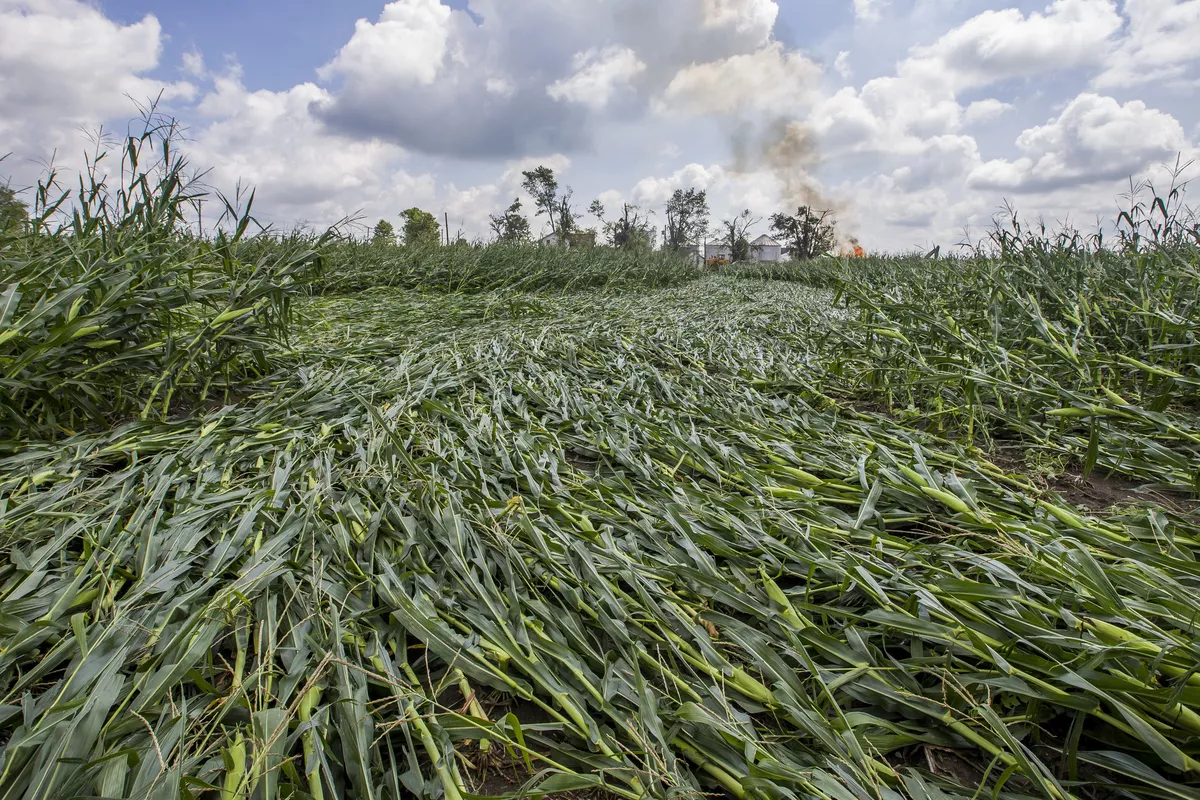
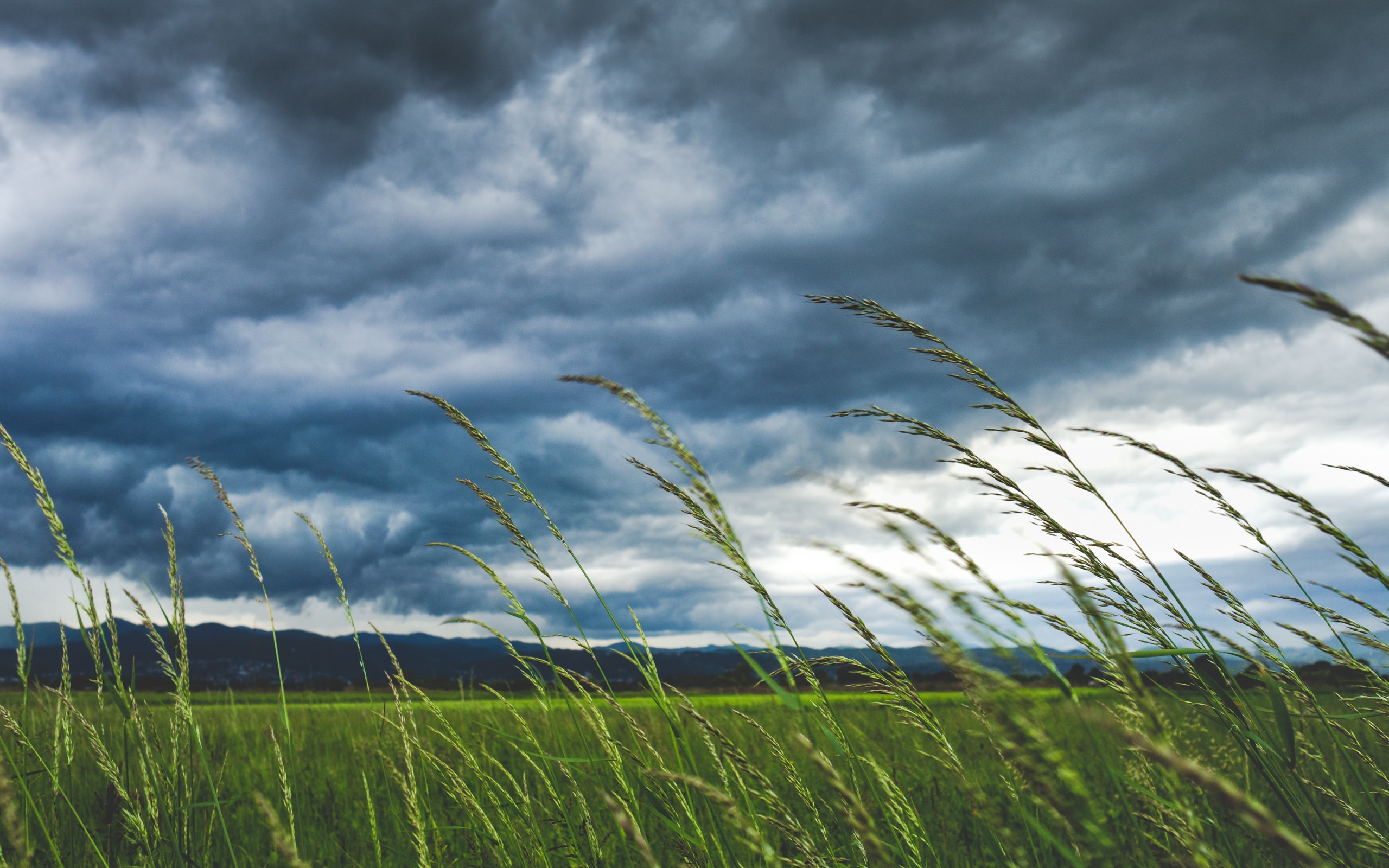
Drenched fields this summer are leaving Maine farmers floundering to catch up with yearly production expectations. With heavy rainfall and low temperatures, agricultural production has taken a hit early this season, and some summer staple crops are paying the price.
“With less sun, the plants are growing slower, so some of the more traditional heat-loving summer plants that people start to crave are just a little bit further behind given where we normally expect them to be,” said Beth Schiller, owner of Dandelion Spring Farm in Bowdoinham.
The Portland area saw 23 days of rain last month, totaling 5.68 inches and making it the rainiest June since 2015. The average high temperature was only 68.7 degrees, 5 degrees below the normal level. The combination of conditions created a double whammy for Maine’s farmers.
The primary concern about the heavy rainfall is the use of machinery on wet ground. If the ground is too soggy, the machines can sink into it and tear up the plots, leaving long-term damage. The machines can also pack down the soil, limiting the oxygen levels in the soil and causing roots to rot. This has left many farmers waiting for the weather to take a drier turn.
One particular crop feeling the brunt of that sentiment is hay. Cliff Kramer, a hay farmer in Sidney, has seen a huge decrease in his harvest so far. In years past, he has had over 10,000 bales of dry hay harvested by this time, but this year, he has only gotten around 600 bales.
“We’re basically at a standstill as far as being able to get any dry hay done,” Kramer said. “We have no control. We’ve got to wait for Mother Nature to straighten her act out.”
With this delay in production, there could be greater effects on the livestock industry that relies on Maine-based hay production coming into the fall.
“A lot of the livestock producers in the state will be impacted. If they don’t have hay that they can purchase in the state of Maine, they then have to start looking outside of Maine, which, of course, is much more costly,” said Julie Ann Smith, executive director of the Maine Farm Bureau Association.
For blueberries, which have a later harvest season, the rain may benefit this year’s harvest – but hurt the one next year.
“There are a lot of factors to producing wild blueberries, which include the use of herbicides, pesticides, fertilizer – whether organic or conventional production. One of the challenges is you have to have enough hours of dry time to put in those amendments to produce next year’s crop,” Smith said.
While the weather is slowing down production, it is not stopping it altogether. Farmers markets are up and running around the state with produce and other goods.
“I would encourage those that feel deterred to know that the market has so many beautiful things and really great energy this time of year. So I would encourage people to come, regardless if they have to bring their umbrellas to the farmers market,” Schiller said.
If farmers are concerned about their decrease in yield already this year, they are encouraged to reach out to the Farm Service Agency to report issues. If there’s a 30% crop loss in the county, the FSA can file for a secretarial disaster designation which allows for low-interest loans to help with the loss. Cumberland, York, Androscoggin, Sagadahoc, Oxford, Penobscot, Hancock and Washington counties already have pending requests for crop-loss relief because of the late frost in May.
Source - https://www.centralmaine.com