California's weekend saw several weather events make their way through Southern California, from snow to rain to ice. How did things affect the ag industry throughout the weekend?
To begin with, it did mean, at times, a closure of the "Grapevine," also known as Interstate 5, which connects Central California to Southern California. However, growers and shippers say the closure's effect on them was minimal, given how short a period of time the closure actually lasted. "A lot of times the grapevine what they have to do when it's blocked, they have to go to the coast so there are alternate routes they can go. It just takes a little longer, a few hours, but there are alternate routes," says Levon Ganajian of Trinity Fruit in Fresno, California.
At Wonderful Citrus, Zak Laffite concurs. "We've experienced some minor delays with certain truck lanes, but those lanes were back to normal within 24 to 36 hours," says Zaffite.
Here's a look at a few commodities after the storms.
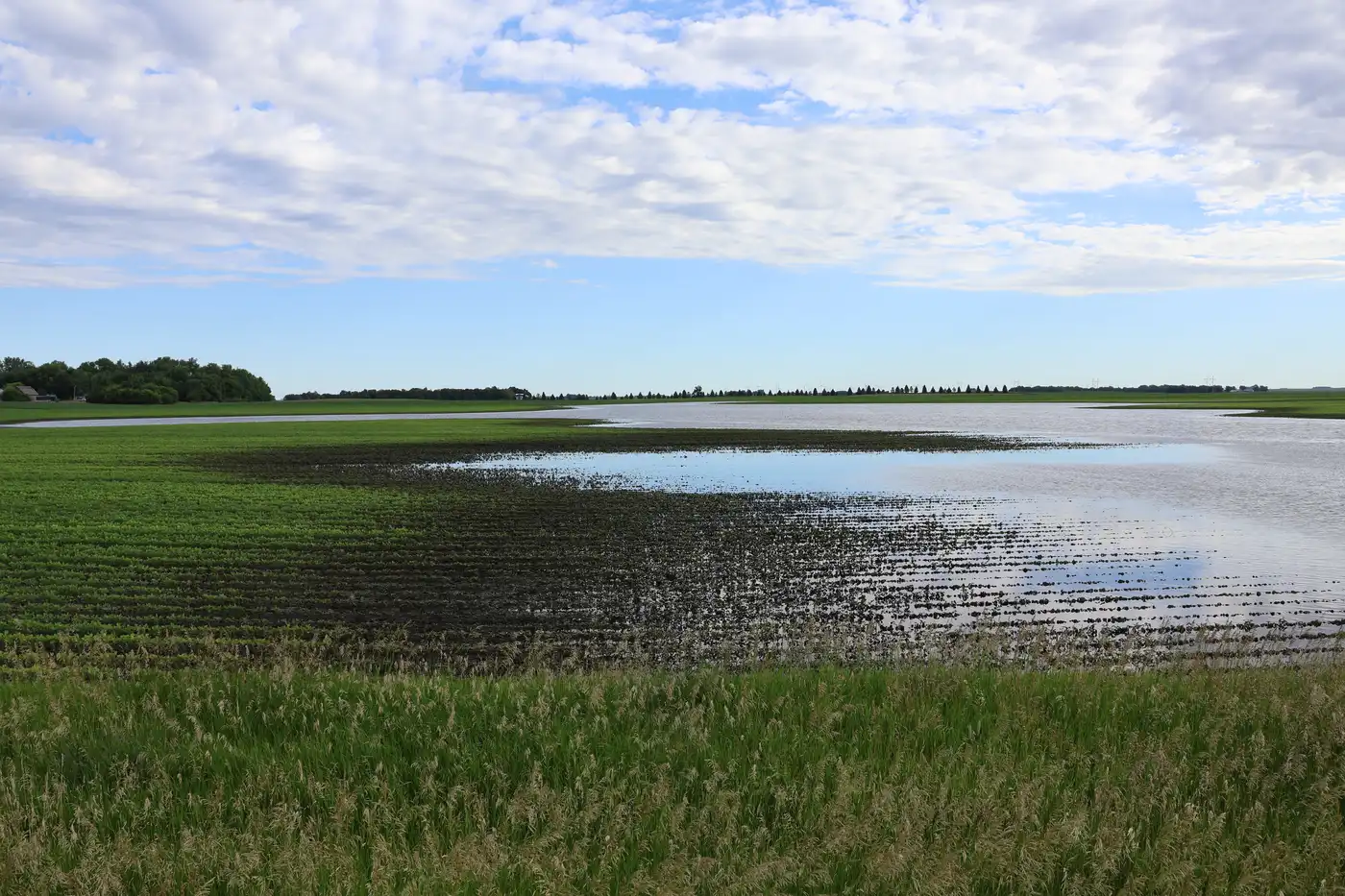
Citrus: Ganajian says part of the issue is not being able to get into the orchards. "We're not seeing any issues with the citrus. We just can't get into it because the fields are so saturated. A lot of the outlying areas we've already picked because of the rains we had earlier," he adds.
Laffite says the same. "Our crops were not affected by the recent weather events because our farming/harvest teams pick in advance of the storms to build inventory. The business has been able to proceed as usual, and we do not expect any long-term effects from the weather," he says.
Avocados: The California Avocado Commission is still assessing the impact of this most recent storm on the various avocado-growing regions in the state. "There is more rain in the forecast for this week, so it is too early to know the impact on the crop," says California Avocado Commission president Jeff Oberman. "The CAC will be in close contact with Commission board members and others in the industry to assess if any changes are expected for the crop forecast or expected harvest timing."
Strawberries: Preparation was key as well for strawberry crops. "We picked everything we could have possibly picked to minimize the damage. All that was left out there were the blossoms and the smaller green fruit," says Jim Grabowski of Well Pict. He adds that once the rains stop, crews will be back out to clean things up and likely strip where needed. It's estimated that there will be a week, or up to ten days, of slow movement, and things should be back to business as usual by the middle of March.
"Strawberry supply will dwindle for the next week. Anything that's around the price will go up, but I don't think it's going to be astronomical," says Grabowski. "The small number of crops that is available will be primarily coming out of Florida and Mexico. Prices will rise a little bit."
Markon reports that supplies will tighten out of Mexico to make up for shortages from California. However, some growers in the country are also seeing a 50 percent decline in production from last week due to heat-related quality issues.
Stone fruit: In stone fruit, 2/3 of the varieties are in bloom. "This is probably more rain than we've ever seen on those, but we spray the flowers, so they don't get the disease before they start growing fruit," says Jon McClarty of HMC Farms.
Ganajian says the same thing. "Right now, the early fruit is blossoming, but the rains haven't hurt those. The rain might normally knock off a few blossoms, but we have so many blossoms in a normal year that we have to thin it anyways," he says.
However, there could be some concern that some crops that require cross-pollination (such as plums) could be impacted by the colder weather and rain during bloom, says McClarty. "The flowers are often pollinated by bees, and they aren't active during weather under 55 F or rain. If you look at our weather over the last couple of weeks and the weather going forward, there doesn't look to be a lot of active hours for pollinator insects," he says. "Almonds are in full bloom around us, though we don't grow any. A lot of our plum varieties are in bloom, and it looks like some cherries are as well... though we don't grow those either." In turn, this could mean a later start date for the season.
Source - https://www.freshplaza.com