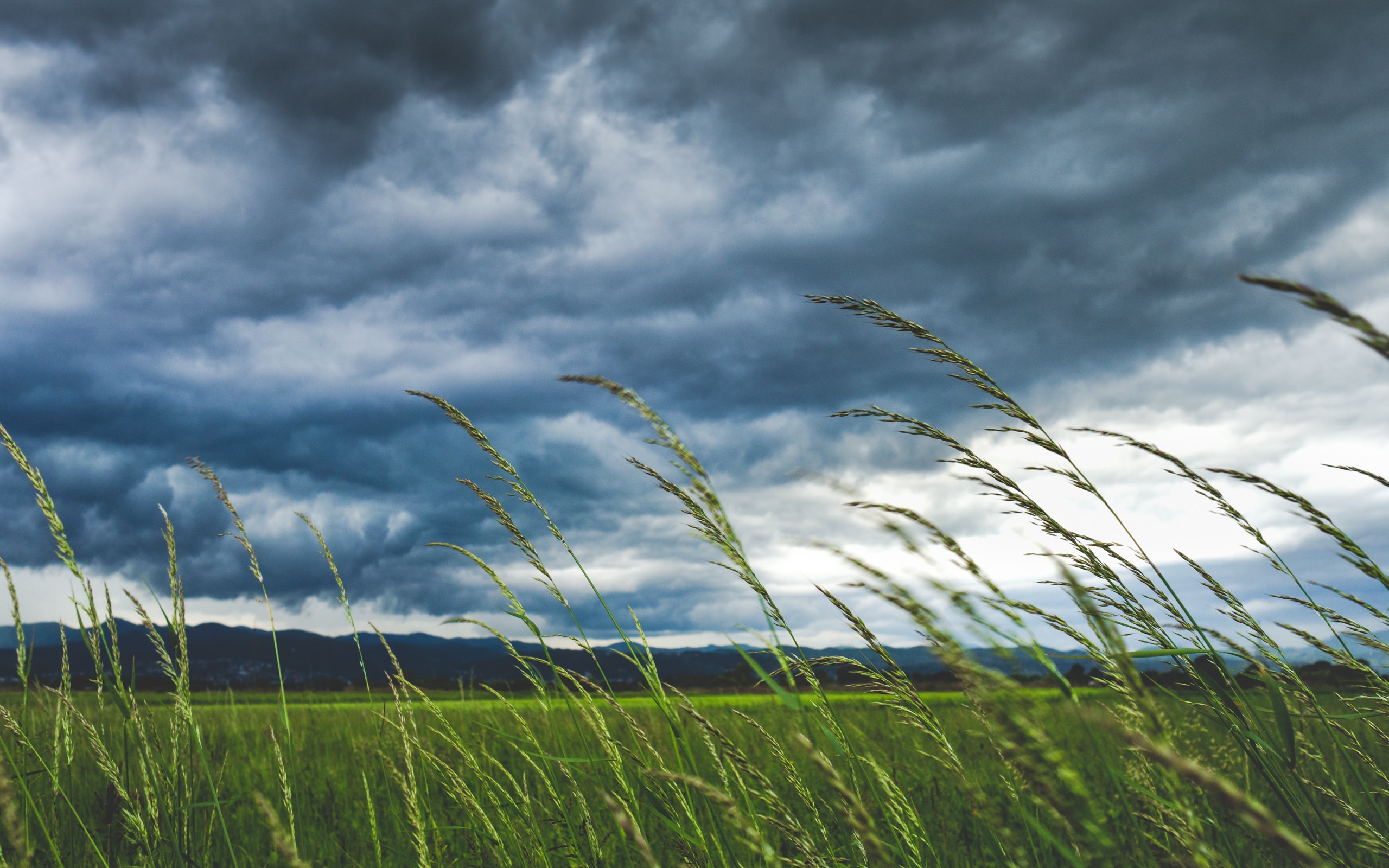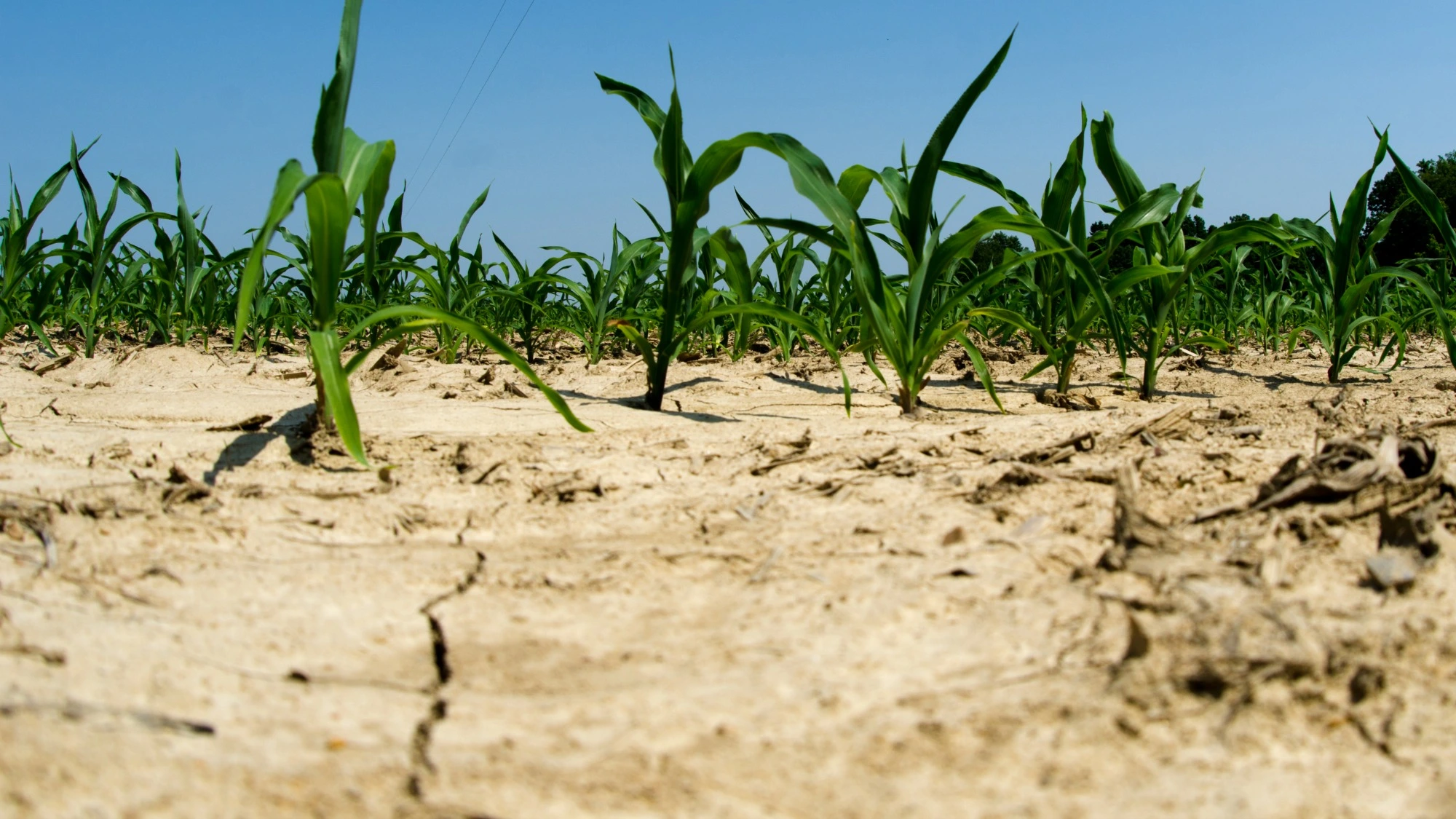
The month of June is one of the driest on record since 2000, placing inside the top five if the lack of rain continues. For farmers, crops have weathered the lack of storms so far, but now the end of June could mark a turning point.
“The crop has been able to keep up with that so far, but now we’re getting to the point where those roots are getting fairly deep and just explore that whole soil profile, and we do need some rain,” said Agronomy Department professor at the University of Wisconsin-Madison Joe Lauer.
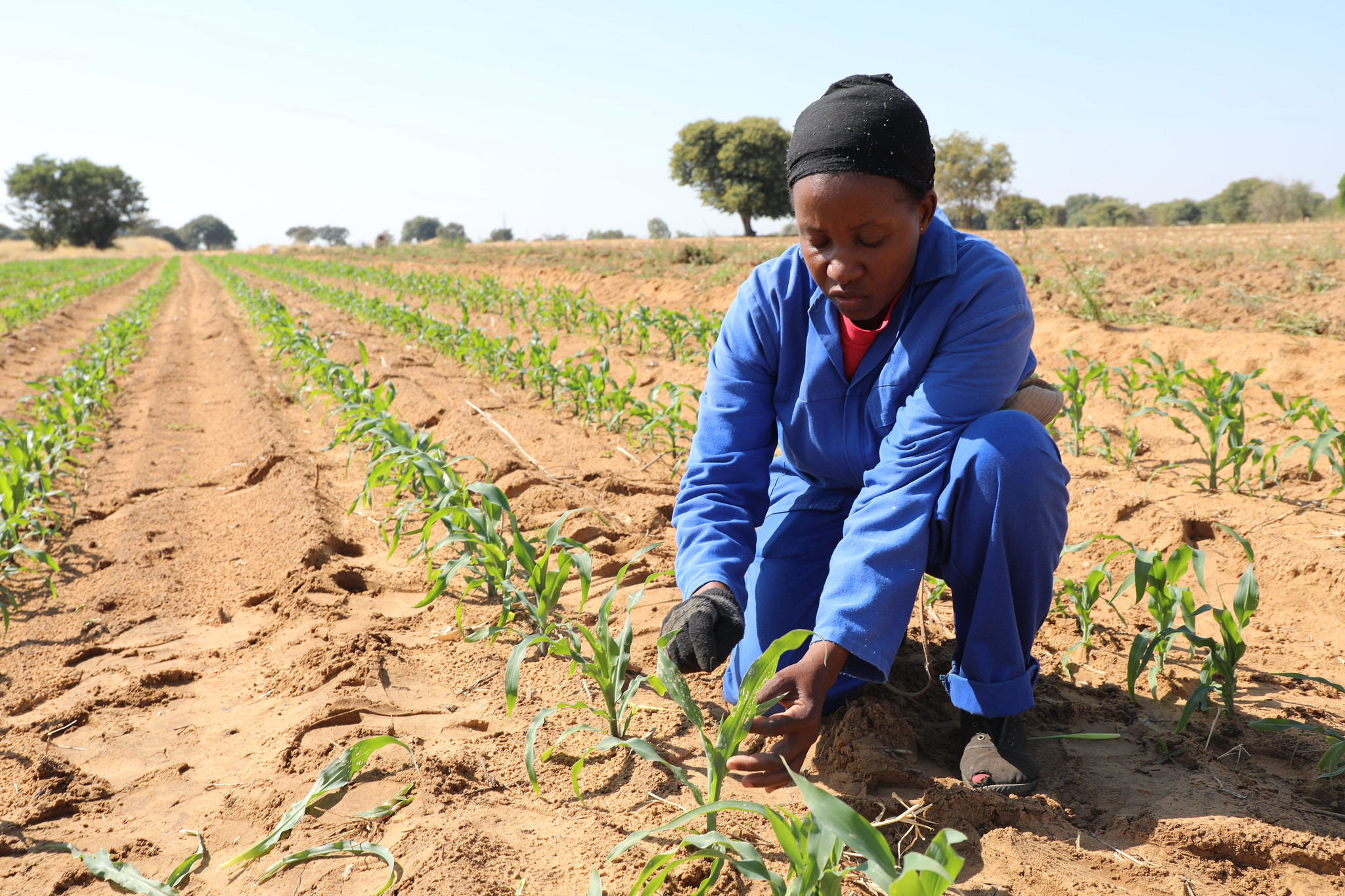
Lauer says corn crops are fairly hearty and can survive the dry May and beginning of June, but the next couple of weeks are a pivotal time for farmers. He says the end of June and beginning of July mark the pollination season for the corn, when it is at its most delicate and when rain is most crucial. If rain does not arrive, substituting by watering can make for an expensive fix. Lauer says care for an acre of corn can cost anywhere from $800 to $1,000, and watering those fields can add hundreds.
“In terms of this year’s crop and the operating expenses that go on with with producing the field of corn, which can be pretty expensive,” said Lauer.
Contending with weather, including extreme weather, is part of farming and Lauer says this is not the first or the last dry period farmers will see over the decades, but that doesn’t make it any easier for an industry dependent on it.
“We’re really in desperate need of a good rain storm across Southwest Wisconsin,” said nutrient and pest management specialist at UW-Madison, Daniel Smith.
His wife’s family owns a farm handed down through generations. He says the weight of waiting on the weather sits heavy on a farmer not only mentally but financially. She points out that it is a cost that can be passed on to the consumer if growth is stunted in crops for long enough. Not every crop bounces back, especially as dry months can lead to new pests plaguing a crop. For farmers, it is crucial to start planning ahead.
“We should start to think about talking to our insurance agent about what our options for our crop insurance later on this season,” said Smith. “We also should be thinking strategically about scouting for pests that we haven’t seen in a few years because this dry weather can allow some pests to emerge we haven’t seen and thus negatively impact crop production even more.”
Source - https://www.nbc15.com