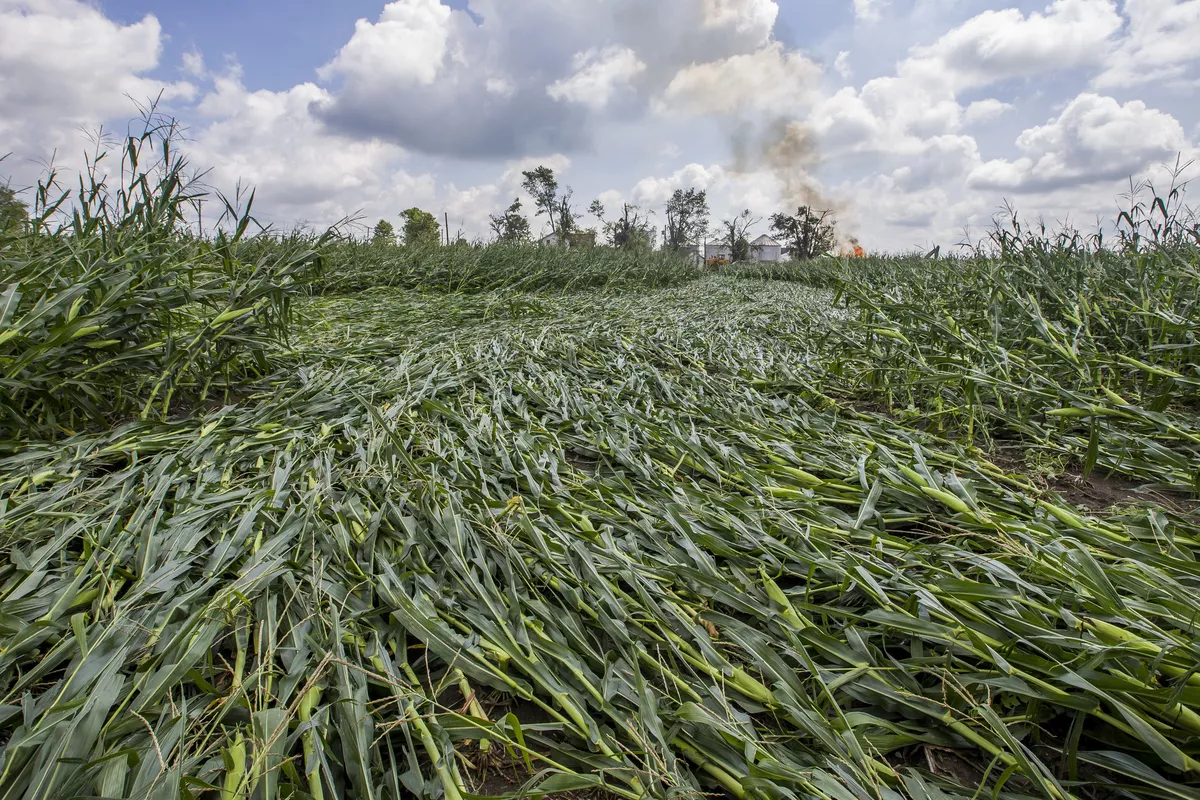
Farmers across the state are starting to get more concerned over the overly dry and hot weather pattern ahead. This is all happening on top of worsening drought conditions across Iowa.
Over the past few weeks, you might have heard meteorologists, especially here from the Weather First Team, stressing how dry it's been this year. This has led to the continuation of almost 3 straight years of drought conditions across the state of Iowa. We touched on this in more detail in mid-June.
So how has all of this impacted crops this year?
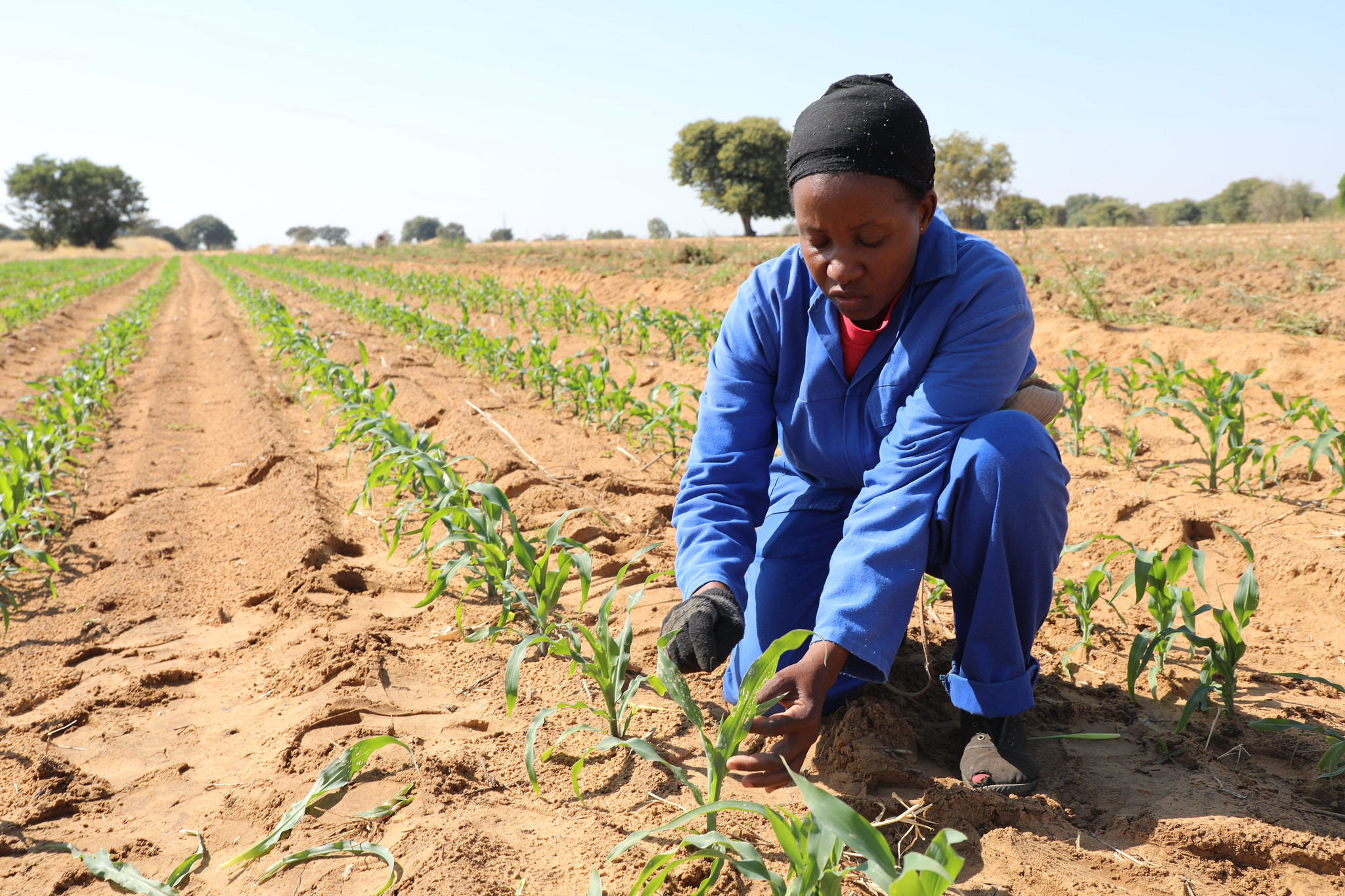
Speaking with Dennis Todey, the Director of the Midwest Climate Hub in Ames, he says we did manage to start the year off okay. The overly dry and cool air in early spring did help to keep the stress levels low. But the early dry weather did manage to force crops to develop deeper roots. This actually does help the crop's survivability down the road when things dry out later in the season like it is now.
But the dry weather overall, still does have impacts on crops as a whole. I spoke with Farmer Tom Carman, Owner of Carman Farms in Urbana, Iowa, he says as of now he looking at around 30-60 Bushels per acre of crop loss. Based on average bushels per acre production from the USDA, this amounts to around 30% of the total yield.
Here's a look at the rainfall so far this year in 2023, up to July 19th. The August through December numbers are from 2022. Putting the tail end of last season right up with this season, its clear that rainfall has definitely been an issue. Between August of 2022 to mid-July, we've gotten around 22.10" of rainfall here in Cedar Rapids. That puts us 13.6 inches of rainfall behind normal. For 2023 alone, we've received 11.59 inches of rainfall, by this time of the year we should be closer to 21.94 inches of rain.
At this point in the season, Tom says his crops need about a quarter of an inch per day. Extrapolate that out a few days and you're looking at needing around 1-2 inches of rainfall each week. So far, 3 weeks into July, we've barely gotten above an inch of rain, where crops have needed about 4-5 inches of rainfall, which is close to what is received on average for July.
The charts below, from the Iowa Mesonet Soil Moisture Network around the Cedar Rapids area, show that we are losing around a quarter of an inch of water from the soil.
While 2 inches of rainfall each week might sound like a lot of water, keep in mind that plant needs water to grow, and due to the hot summer weather, some of that water is evaporated away. According to the United States Geological Survey, each acre of corn evaporates away around 4,000 gallons of water back into the atmosphere. In Iowa alone, there was an estimated 12.9 Million acres of corn in 2022, which amounts to around 51.6 billion gallons of water! This is why July and August tend to be more humid across the corn belt.
As far as the growing season is concerned, both Dennis Todey and Tom Carman said right now is the worst time during the growing season to have hot and dry weather. Mid-July corn and other crops are starting to stop growing and focus on putting all their energy and resources into producing their "fruit", or in this case the ear of corn.
Being several inches under where we should be on rainfall. This is kind of the time when the corn is tasseling and this is probably the worst time we could have the stress. The corn is curled up and trying to protect itself. It's starting to wrap the leaves around it and that's how it holds in more moisture. When the sun goes down for the night the corn crop opens back up, stands up good, and looks nice and green again. So this is just a way it's trying to protect itself right now.
At this point, there are a lot of factors that will impact the final yield this year. Tom says that really only time will tell what the full impacts this weather will have on the yield. We'll definitely have a clearer picture come harvest.
Source - https://cbs2iowa.com