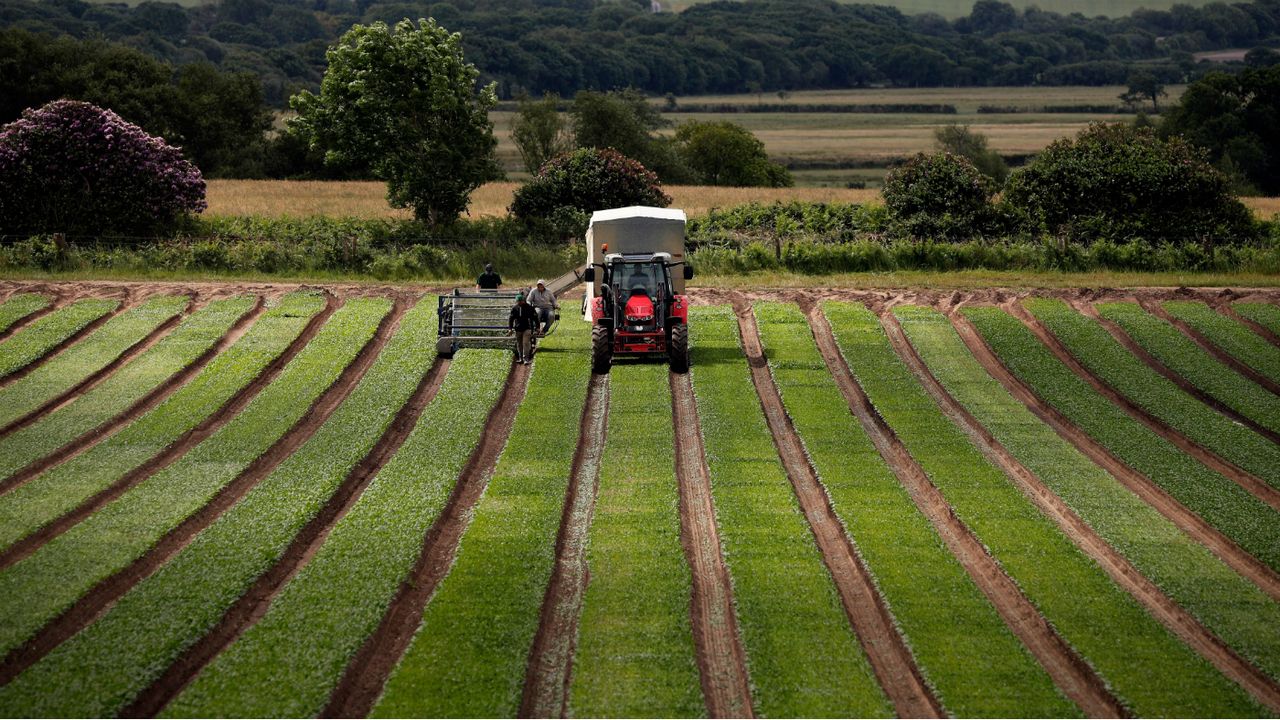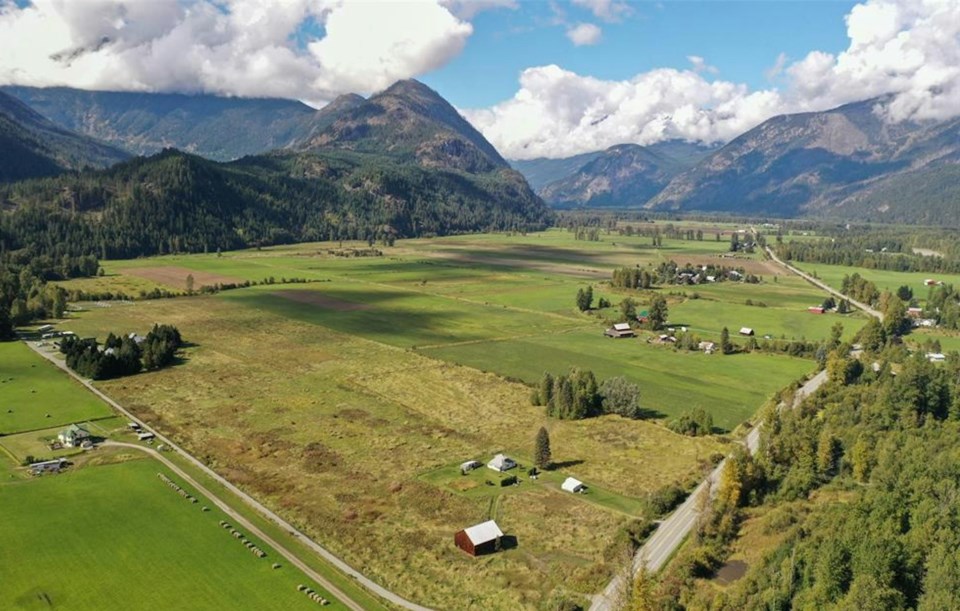
Agriculture is a key contributor to sustaining life and providing development to our ecosystems.
For this industry to continue providing adequate food sources, it needs to be protected from outside threats that could interfere with the efficiency and the quality of our food. A main concern for most agriculturalists and farmers is the growing issue behind invasive plants. It continues to negatively impact livestock as these plants can easily spread across their pastures, affecting the livestock’s grass and food supply.
Invasive plants are one of the main disruptors to crop yields and livestock. The damage can be catastrophic for farmers and can cost a pretty penny to mitigate this issue if not taken care of immediately and properly. According to a research article published in 2016 by the “Proceedings of the National Academy of Sciences” (PNAS), in the United States alone, crop and forest production losses from invasive species and pathogens have been estimated at almost $40 billion per year. This affects food security that results in crop loss as well as declining livestock health.
“The costs of invasive removal can be astronomical in certain situations,” said Dustin Clark, a working foreman for the Muncie Urban Forestry Program. “Unmanaged invasives can spread easily by seed transplant and quickly becomes a contagious mess, creating monocultures that are incredibly hard to get rid of.”
A monoculture is the cultivation of a plant that dominates an area of land, excluding any native plants that may attempt to thrive in this area. An article published in 2013 by the “Center of Invasive Species and Ecosystem Health” states that invasive weeds can produce monocultures in pastures and grasslands. This causes limitations on the variety of plants in the diets of livestock. Once these monocultures begin to develop, they become incredibly difficult to contain. Livestock cannot fulfill their proper feeding routines, resulting in the quality and quantity of the grass area to become scarce. Overall, this affects their health and the quality of the farmer’s beef product.
Mitchell Farms is a family-owned-and-operated livestock farm located in Muncie, Indiana. They take pride in their quality beef and raise their cattle on a specific grass and grain diet; however, owner Larry Mitchell said that raising livestock does not come without its issues.
“We deal with a plethora of invasives out in the pasture field. I’ve counted about 15 invasive plants that my wife and I try to control and mitigate,” said Mitchell. “It’s an issue that most livestock farmers deal with, and it can have a negative impact on our beef product due to how quickly it takes over our fields and limits our cattle’s main food source.”
Examples of these invasives found on their farm include bull thistle, musk thistle, reed canary grass and multiflora rose. These plants are among many invasives that quickly populate, overtaking certain areas of their pasture. Mitchell operates his private farm with his wife, Vicky. With only being a team of two, mitigating this issue becomes taxing and repetitive.
“Invasives have got to be our biggest issue that we tackle here on the farm,” said Mitchell. “We take them out and spray herbicide in hopes they don’t come back, but their roots are too strong.”
Since this issue is so prominent in agriculture, there are programs and legislation set in place in effort to help aid agriculturalists and farm owners.
The Farm Bill is a package of legislation that is able to provide farmers with a vast array of sources and supply options in order to help provide a quality agricultural footprint. This includes farm loans, conservation programs, and safety-net programs for farmers and agriculturalists across the nation.
The Natural Resource Conservation Service (NRCS) is a federal agency that works with programs administered through the Farm Bill. One of the programs that helps aid invasive removal is called the Environmental Quality Incentives Program (EQUIP). Farmers and landowners can put in an application for financial and technical assistance. They can be connected to an expert who can then go out to the location, evaluate the issue, and offer a management plan to let them know what species are present and how to control them.
“If financial help is necessary, they can apply for aid as well to help offset the costs of removal labor, herbicides and machinery; we have governmental funding available for that as well,” said Wesley Slain, a district conservationist who works for the NRCS. “My job is to provide financial and specialized support to give these farmers the right connections and guide them on the right path.”
Although resources and programs are available for use, this issue has forced farmers to make invasive mitigation a priority in caring for their land.
“My priority is to be a good steward to the land despite the invasive obstacles,” said Mitchell. “I take pride in what I own and what I raise. I know that I’m a contributor to my community, my family and myself. To control this issue is to do good for my community and business.”
Source - https://eu.thestarpress.com