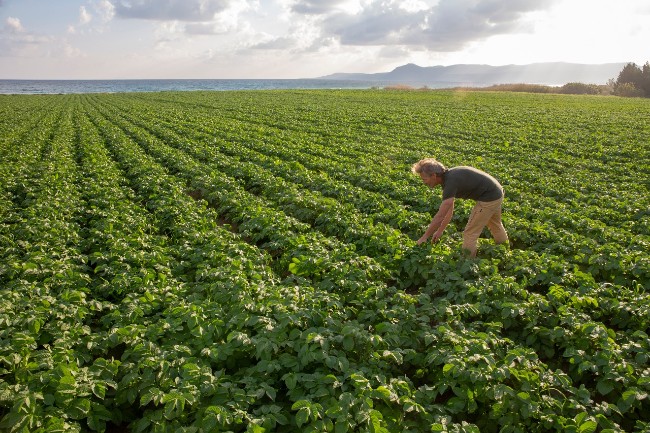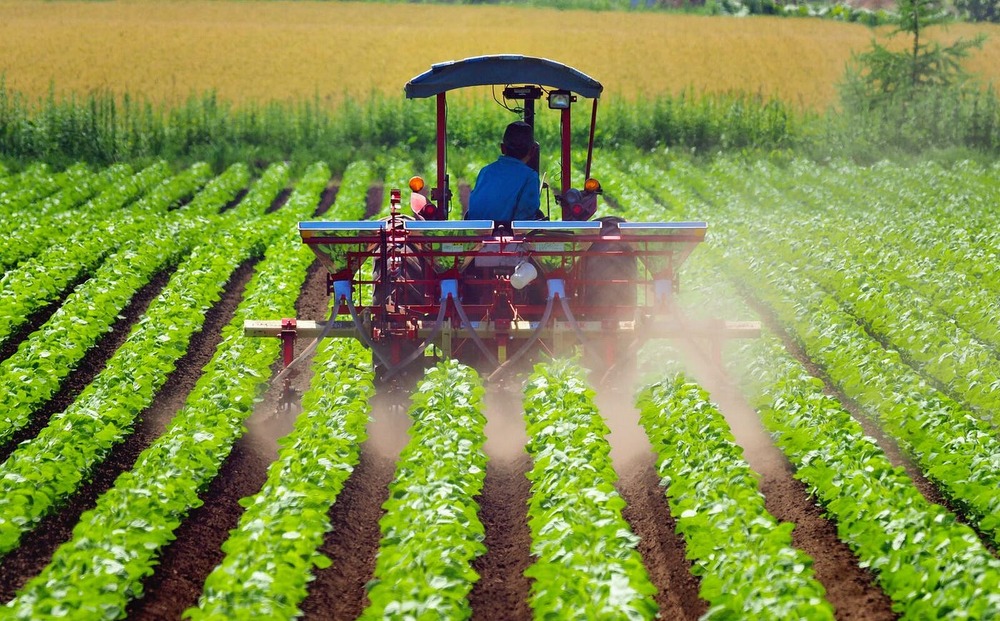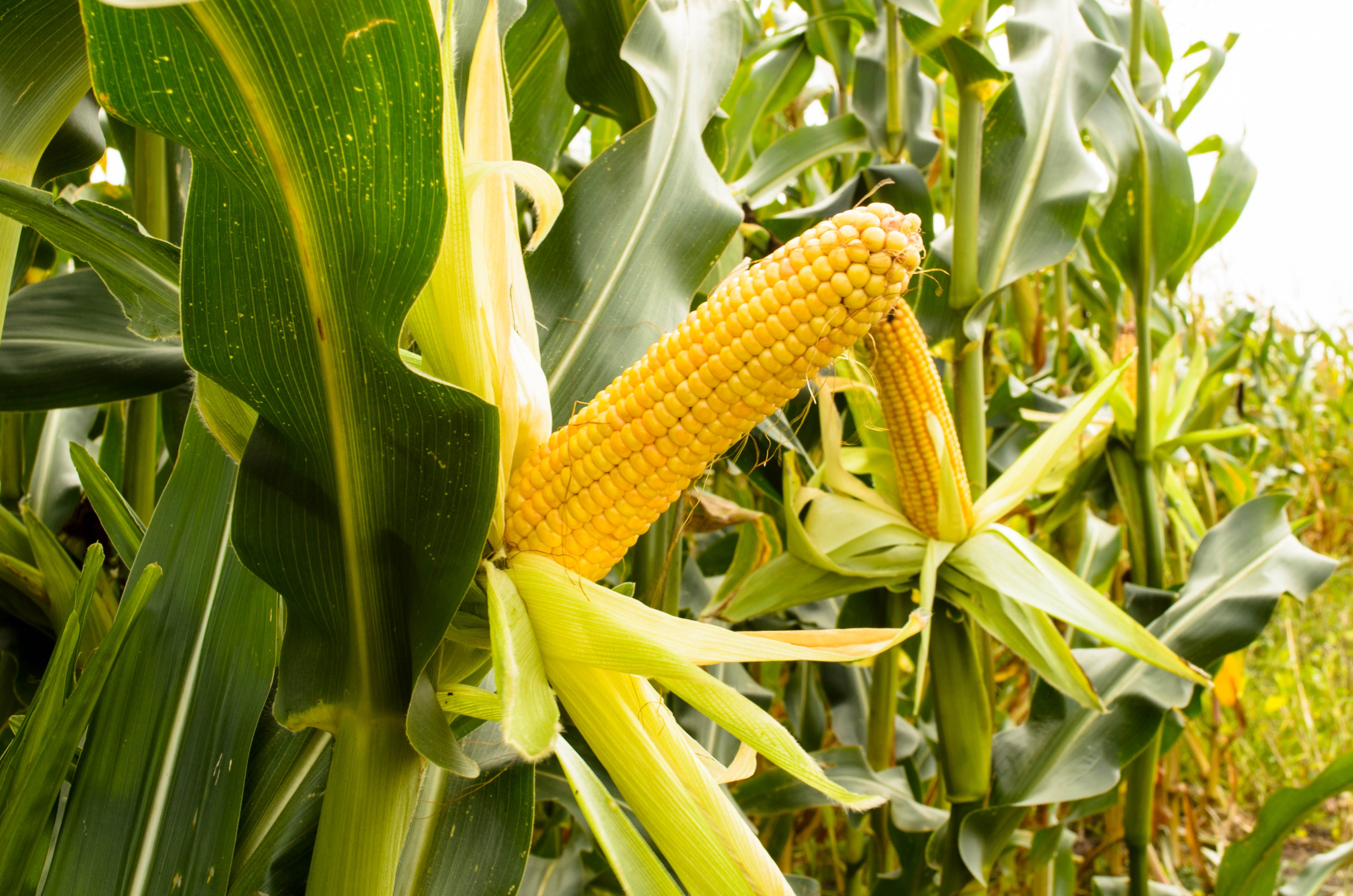
Mark Mueller sleeps anxiously this time of year. Except when it rains.
The northeast Iowa farmer said the corn on his farm near Waverly is slightly shorter than normal for this time of year, but he expects that to change very soon.
“Every year, I do more pray for rain in July than I do the rest of the year combined,” Mueller said. “I never sleep easy in the month of July except on nights when it rains.”
Mueller and other farmers across much of the Corn Belt got a late start planting their corn this year. Cold and wet conditions put them behind, but recent rains and warmer temperatures have fueled the crop’s growth. July could make or break the crop.
Corn growers across the U.S. produced more than 15 billion bushels last year, according to the U.S. Department of Agriculture’s National Agriculture Statistics Service. It goes into America’s food system, ethanol production and animal feed. But it’s also used to make food packaging, candy and glue.
Iowa State University agricultural economist Chad Hart said a smaller corn crop means consumers will feel an indirect effect likely to push up prices across various sectors of the economy.
“Ethanol mixes have been cheaper than gasoline. We’ve seen people take advantage of that,” Hart said. “Less corn means prices are likely much higher, which would have an impact on ethanol pricing as we move forward, which means it can’t be as inexpensive as it’s been over the past few months.”
The USDA’s weekly crop progress report finds 63% of Iowa’s corn is in “good” condition, while 51% of Nebraska’s corn is in “good” condition and 48% of Kansas' corn is in “good” condition for the week ending June 26.
But July will be a big month to watch, said Dennis Todey, the director of the USDA’s Midwest Climate Hub. He said the middle part of this month could bring warmer conditions that could “cause more stress” on the corn crop across some parts of the Corn Belt.
“The concern right now is that there’s going to be a ridge of high pressure that is going to build into the central U.S. as we go through the middle of July,” Todey said, adding that the southern Plains, Texas, the lower Mississippi valley and possibly the northern Plains can expect the highest temperatures.
Parts of Iowa and the eastern Corn Belt aren’t at as much of a risk of that developing right now, Todey said.
“The longer (high temperatures last), the more risk there is to the corn crop,” Todey said. “If that issue extends into August, then we start being concerned about what it does for soybeans.”
Todey said hotter temperatures can stress a crop and cause yield loss. And mid-July in some states is when corn reaches its reproductive phase, when it’s especially vulnerable to stress and lower yields.
Eric Snodgrass, a senior science fellow with Nutrien Ag Solutions who forecasts the weather for farmers, said multiple days in a row of high heat is bad for corn, but it’s especially problematic when the high heat lingers at night.
“The issue,” he said, “is the energy that it’s taken in from the sun and the nutrients it’s pulled from the soil is used to preserve the life of the crop, not used to be put into creating sugar that eventually fills out each kernel of corn.”
Snodgrass is forecasting thunderstorms throughout the first week of July, “and this could really buy time for the Corn Belt” in dealing with the effects of drought. There is still a risk, he said, of drought redeveloping later this month and into August because of La Nina — cold temperatures in the Pacific Ocean that can cause drier conditions in the Midwest.
The U.S. is looking at a possible rare third year of La Nina in the Pacific next winter which, if it sticks around, could bring more drought concerns for the Midwest next summer.
Source - https://nebraskapublicmedia.org