USA - Kansas Crop Improvement Association Reports Wild Hybrid in Wheat Fields

14.11.2024 374 views

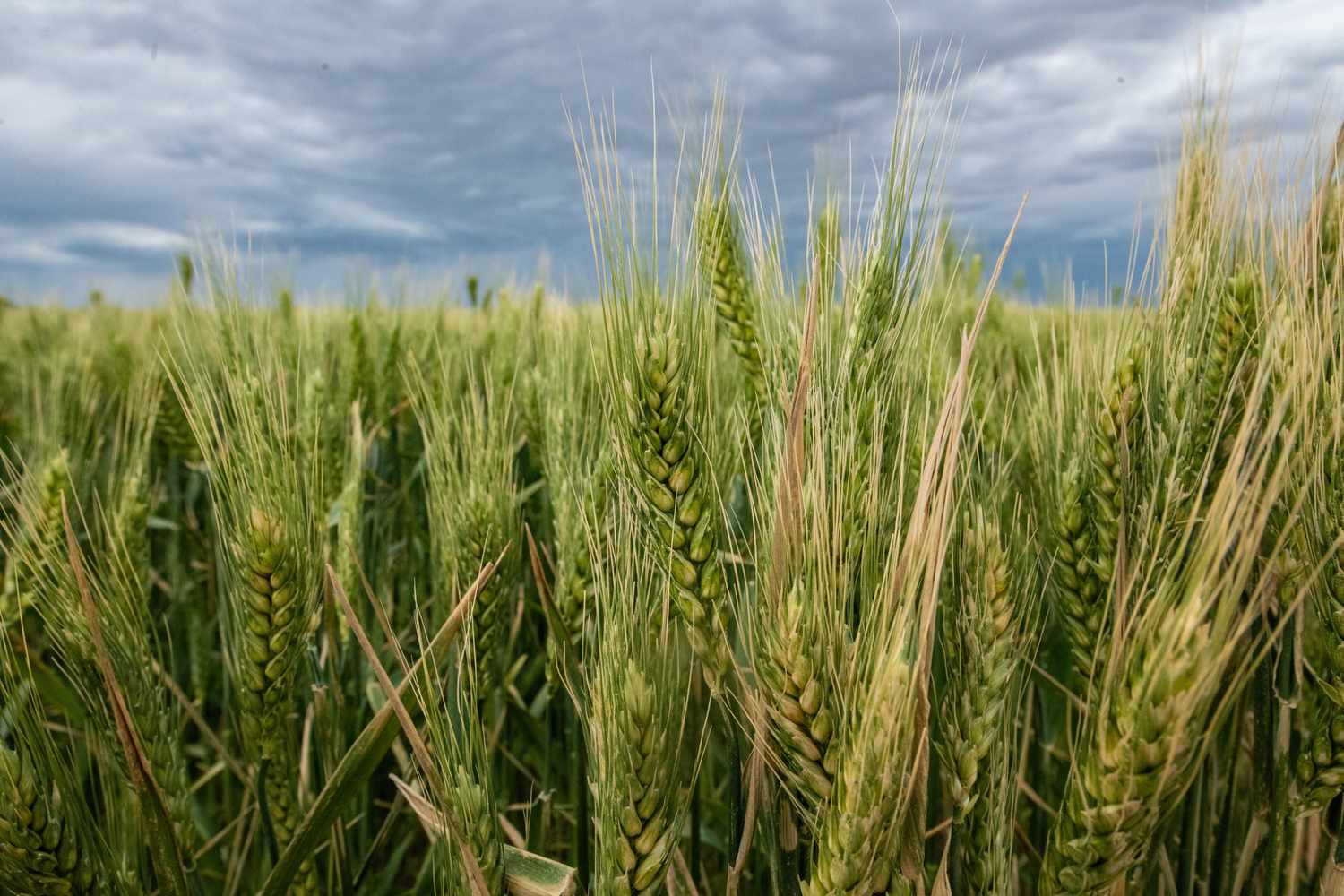
An official with the Kansas Crop Improvement Association encourages the state’s farmers to look for signs of a wild triticale hybrid found recently in wheat fields.

Marion Spiering, the manager of field services and seed certification for KCIA, said the wheat and triticale hybrid “wasn’t intentionally crossed.”

“We found it in three locations this summer and it was a mystery plant,” Spiering said. “We didn’t know what it was, so I embarked on a quest to figure out what we were finding.”

The unknown plant was easy to spot, Spiering said. “It stands above the canopy, so looking across the field, it’s pretty easy to spot if you get down to the level of the wheat canopy,” she said.

As the official seed and plant-part certifying agency in Kansas, the Kansas Crop Improvement Association routinely inspects fields in the state as part of its quality control system. As producers prepared for inspections this year, some of them spotted the wild hybrid; Spiering said there were reports in south central Kansas, as well as Dickinson and Marion counties.

“At first glance, these farmers probably thought it was rye or triticale,” Spiering said. “But as they got closer to it and looked at the head, they realized it was neither. It was something new.”

Genetic testing confirmed the wheat x triticale hybrid, which Spiering said surprised her: “Triticale already is a cross between wheat and rye, so I honestly didn’t know that a hybrid could hybridize again with wheat,” she said.

The hybrid looks like a wheat head, but more narrow and flat than wheat should be. “I think anybody familiar with what a wheat head, rye head and triticale head looks like would be able to pick it out in their field, and know that it doesn’t neatly fit into any of those categories,” Spiering said.

The hybrid doesn’t have a lot of seed fill – only about three seeds per plant, according to Spiering – so it is not a concern for wheat production in Kansas. But germination tests conducted by the KCIA seed laboratory showed that the seeds that it does produce are 60% viable, meaning there is a slight possibility that the wild hybrid could negatively impact wheat production in the future.

Spiering encourages wheat producers to notify the KCIA if they discover the hybrid in their fields. She said that the organization benefits from having data on the hybrid, and can potentially help confirm that it is, indeed, the suspect hybrid.


In the short term, she said wheat growers who wish to get rid of the suspect hybrid can simply grab a handful – and pull.

“I want folks to know that this isn’t a big concern in Kansas right now,” Spiering said. “Seed certification is dedicated to a traceability system; all of the growers in our state have their fields inspected and they rogue their fields, so it’s not a concern. Seed certification is a great system to keep this under control.”


Source - https://www.morningagclips.com

16.04.2026

USA - Forecast Performance of RMA Expected Yields: Comparison of Yield Projection Methods

Building upon the analyses discussed in the Farmdoc Daily articles of Jan. 27, 2026 and April 1, 2026, this study finds that the current method used by USDA’s Risk Management Agency (RMA) provided the least accurate projection of actual RMA county yields across the five crops and four projection methods examined in this study. 

16.04.2026

Philippines - DAR orients agrarian beneficiaries on crop insurance

The Department of Agrarian Reform (DAR) facilitated an orientation workshop for the agrarian reform beneficiary organizations (ARBOs) from the provinces of Surigao del Norte and Dinagat Islands to strengthen their access to crop insurance and equip them to become authorized underwriters of the Philippine Crop Insurance Corporation (PCIC). 

16.04.2026

Estonia - AgriFi Brings Agricultural Real-World Assets On-Chain with $AGF on Polygon

Agriculture remains one of the largest and most complex industries in the global economy, contributing over $3 trillion annually to global GDP and supporting the livelihoods of billions of people worldwide, according to data from the Food and Agriculture Organization and World Bank.

16.04.2026

USA - Aid Available for Nebraska Wildfire Victims

Just over one month ago, Nebraska experienced the worst series of wildfires in history, burning nearly 950,000 acres. Since then, assistance for farmers and ranchers affected has been rolling in.

16.04.2026

Thailand - Storm batters Si Sa Ket durian orchards, losses hit B39m

A summer storm caused extensive damage to durian plantations in Kantharalak district, toppling hundreds of trees and wiping out tonnes of Thailand’s economic crop just days before harvest, local officials said on Thursday.Following the storm, district chief Somkuan Singkham ordered an urgent survey in tambon Phu Ngern, where strong winds and thunderstorms hit five villages, damaging durian orchards belonging to 110 farmers.The affected fruit is a geographical indication (GI) product known as “Sisaket Volcanic Area Durian,” grown in Khun Han, Kantharalak and Si Rattana districts. Popular varieties include Monthong, Chanee and Kanyao, prized for their creamy texture, mild aroma and relatively dry flesh.

16.04.2026

Cropshader approved for organic farming in Europe

Cropshader, developed by Lumiforte, has been verified as suitable for use in organic farming under the control of Ecocert in Europe. The product complies with the requirements for inputs used in organic production in accordance with applicable European regulations.

15.04.2026

USA - Federal aid programs aim to help Southeast Texas farmers recover from losses

Southeast Texas farmers grappling with crop losses due to extreme weather are turning to federal aid.

15.04.2026

India - Landowners waive lease payments after crop damage

Farmers with large landholdings are doing their part to ease the burden on small and marginal farmers whose crops were damaged by the April 4 storm.