USA - Kansas farmers speak out on severe drought conditions, below-average crop yields

23.09.2022 735 views

The new drought monitor map is out, and conditions have gone from bad to worse — especially out west. 

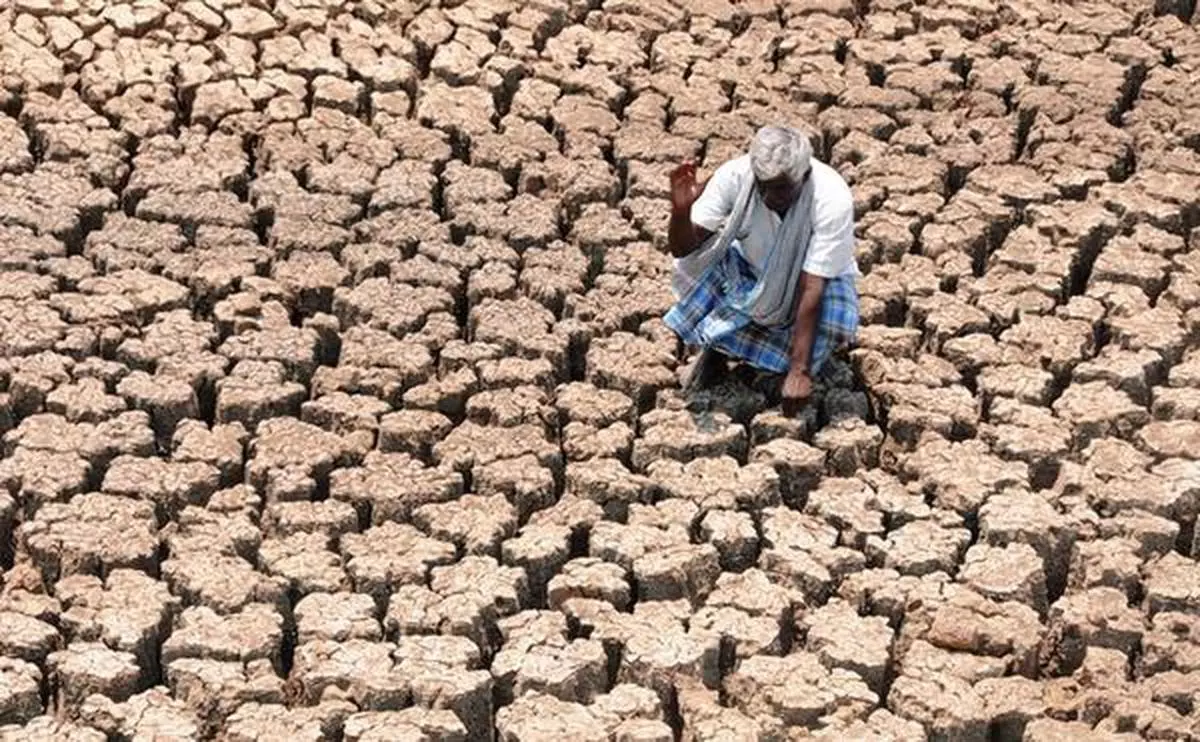
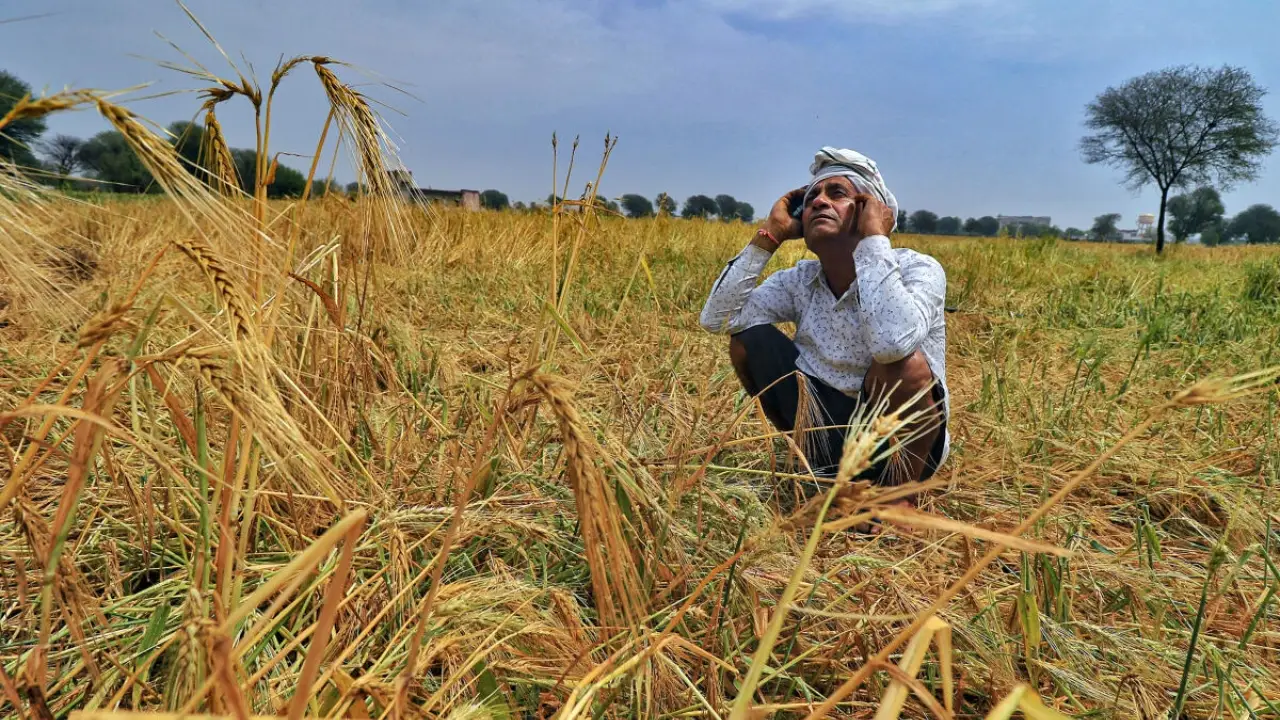
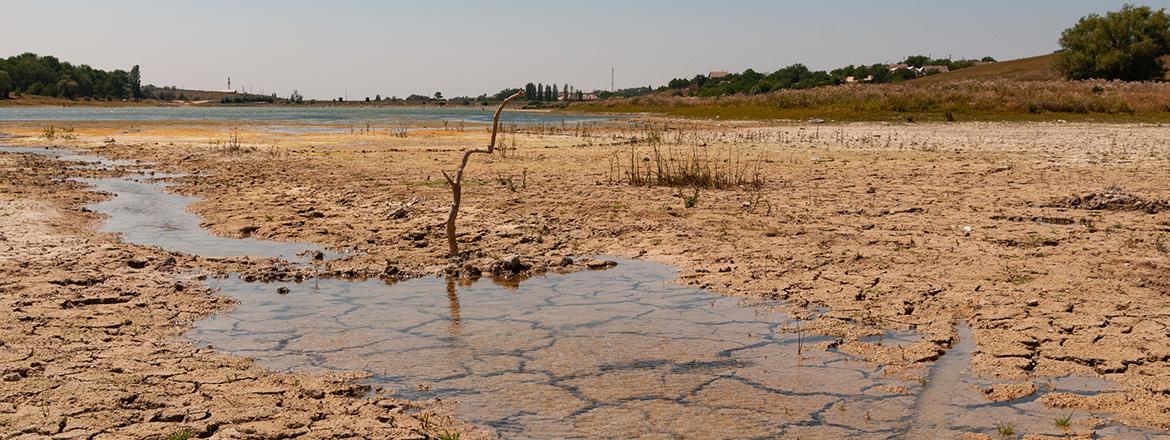
Regardless, the effects of this summer’s extreme drought is being felt across Kansas. Butler County corn farmer Jeff Varner says his estimates from August for his corn crop yield were right on the mark.

“What we thought as far as our corn harvest proved out to be true,” Varner said.

For many South Central Kansas corn farmers like Varner, dryland corn yields are averaging between 30-100 bushels an acre, although the majority of farmers’ yields are closer to the lower end of the spectrum.

“A lot of them didn’t even close to 100 … there were quite a few of our yields that didn’t even reach half of what our yield goal is,” Jeff Seiler, Extension Agriculture Agent with Kansas State University Research & Extension, said.

Varner’s crop yield this year was roughly two-thirds below average — that means local elevators are paying up to double the price per bushel.

“This year, I locked in a contract for plus 80 cents — that is just unheard of,” Varner said.

Higher prices combined with the below-average yield statewide means Kansas’ $75 billion agricultural sector could suffer a huge financial hit.

“We’ll probably do some analysis of that if we can to get a little better handle on it, but billions is, I think, would be accurate,” Secretary of the Kansas Department of Agriculture Mike Beam said.

Southwest Kansas farmer Bill Simshauser says it will most likely take one to two years for crops to recover — adding if severe drought conditions continue, many farmers in the area could go out of business.

“In my area, we’re seeing crop loss bigger than I’ve ever seen in my lifetime — I really believe you’re going to see a lot of farmers not being able to make it,” Simshauser said.

As for Varner, he says his main goal is to ensure crop insurance carries over to the next farm bill.

“If the crop insurance wasn’t available, I, quite honestly, you’d see a mass exodus,” Varner said.

Secretary Beam says as a result of this year’s subpar corn yield, the state could see an increase in more heat-resistant crops in the coming years, specifically wheat. That being said, Varner says because the soil is so dry, he anticipates planting that wheat this year will feel more like dusting it in. The yield of that crop is also anticipated to be subpar.

Source - https://www.ksn.com

12.03.2026

USA - Software vendor sues FCIC after regulators reverse agent compensation rules

The firm alleges it invested nearly $20 million based on federal approvals later reversed.

12.03.2026

Philippines - Eastern Visayas to pilot mangrove insurance program

Hundreds of residents along the coast of Cancabato Bay were saved when Typhoon Yolanda struck this city in November 2013, thanks to a mangrove forest established by a local fishing community.

12.03.2026

India - Farmers fear yield loss after hailstorm in Ajnala villages

Intermittent drizzling accompanied by moderate winds and sporadic hailstorms in parts of the region early Thursday morning led to a noticeable drop in temperature, providing relief from the recent spell of rising heat.

12.03.2026

USA - As strawberry season begins, SC farmers are wary of disease threat that could ruin crops

South Carolina strawberry farmers are approaching spring with cautious optimism.

12.03.2026

Philippines - PCIC: Over 80% of farmers’ insurance claims released within 20 days

The majority of insurance claims of farmers and fishers have been released within the standard 20-day processing period in 2025, according to the Philippine Crop Insurance Corporation (PCIC).

12.03.2026

India - Centre to procure 100% tur dal from farmers in Madhya Pradesh

Union Agriculture Minister Shivraj Singh Chouhan on Thursday approved 100% procurement of tur (pigeon pea) dal from Madhya Pradesh, a move aimed at protecting farmers from any fall in market prices.

11.03.2026

Scaling up crop insurance in Africa for climate resilience and agricultural transformation

As climate change impacts intensify, African economies face increasing exposure to extreme weather events. The World Bank estimates that nearly 18% of the world’s population is at risk from severe weather events from which recovery would be difficult; in Africa, that number is 37%.

11.03.2026

USA - Specialty Crop Losses Outpace Federal Bridge Assistance Funding

The U.S. Department of Agriculture (USDA) is rolling out a new Farmer Bridge Assistance (FBA) program for specialty crops — that is, crops not included in the first $1 billion relief package — but early analysis from Terrain suggests economic losses across the sector far exceed available funding.