Extreme heat and periods of drought this summer will likely lead to losses in several of Louisiana’s agricultural sectors, according to economists from the LSU AgCenter. The worst losses are expected in the beef cattle sector, they suggest, as reduced hay production, the forced downsizing of cattle herds and other factors could lead to estimated losses of $135 million to $290 million.
“Certainly, the entire agricultural industry is going to have some impacts from excessive heat and drought, but with beef cattle, they’re getting hit on several fronts,” said AgCenter economist Kurt Guidry.
Guidry, the assistant director of the Louisiana Agricultural Experiment Station, developed these estimates by consulting with AgCenter agriculture and natural resource agents who work in communities across the state.
While some cattle have died in the heat, Guidry expects the greatest losses to come from producers weaning their calves from their mothers earlier than normal and from ranchers selling their herds.
“A forced liquidation and early weaning are basically management strategies that producers are having to do to manage the amount of forage they have because grass is not growing,” Guidry said. “To limit the number of mouths they have to feed, they're either selling cows, or they’ve weaned calves early, and then then have to turn around and sell them.”
Most Louisiana cattle raisers use a cow-calf model. They keep a permanent herd of cows that produce calves, which are then raised and sold.
Because of the drought, producers have faced a reduction in available forage to feed cattle. Fewer cattle can graze on a plot of land, and less hay is being produced to feed them later in the year. Reduced hay production caused by lack of rainfall is expected to cost cattle raisers $62 million to $108 million, Guidry found.
Guidry found that many cattle raisers weaned 10% to 20% of their calves from their mothers earlier than normal to reduce stress on the mothers and help the mothers maintain better body conditions and reproductive health. Early weaning leads to lower weight cattle at sale and less revenue, Guidry said.
Many producers have been forced to sell between 10% and 30 % of their permanent herds, Guidry said. This leads to future losses as ranchers will have fewer calves reared in coming years, and feeder steer prices are expected to rise 13% next year, according to the U.S. Department of Agriculture Economic Research Service.
“If you sell cows this year, you don’t have those cows next year, and you don’t have a calf next year to sell,” Guidry said. “Reducing those numbers is really the big impact.”
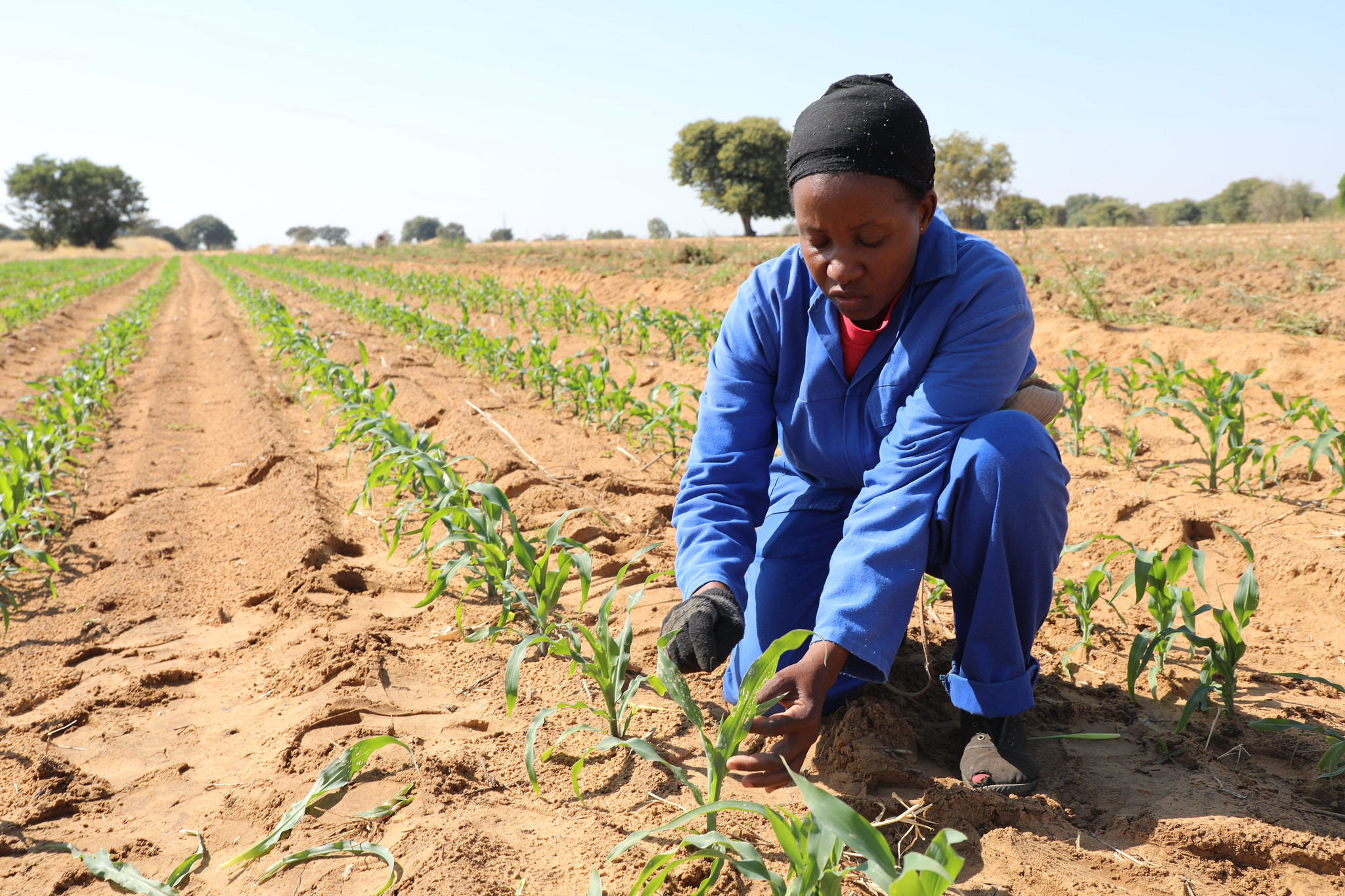
Heat and drought also are affecting field crops grown in Louisiana, said Michael Deliberto, an AgCenter economist. The high price of fuel, especially diesel, leads to higher irrigation costs for farmers who use diesel-powered pumps to pull water from bayous, canals and ponds to water their fields.
“Especially cotton and soybeans, with the amount of acres that we have in the state under irrigation, every time they turn their pumps on, it’s more of a cost they’re having to incur,” Deliberto said. “They’re needing to irrigate because they don’t want to sacrifice the yield potential or the quality of their crop.”
While diesel prices had dropped earlier this year, as the heat and drought linger, diesel is also rising to almost $4 per gallon. Each 25-cent rise in diesel costs increases the price of irrigation via flexible field pipe by $2.14 per acre. A farmer using the center pivot irrigation method will see a $2.80 increase.
Producers have already picked much of the rice and corn crops, and heat helps the rice dry faster once harvested and placed in bins, one of the few “silver linings” to the heat, Deliberto said.
The full effect of the drought on cotton, soybeans and sugarcane will not be known until after harvest, Deliberto said.
Source - https://www.beefmagazine.com