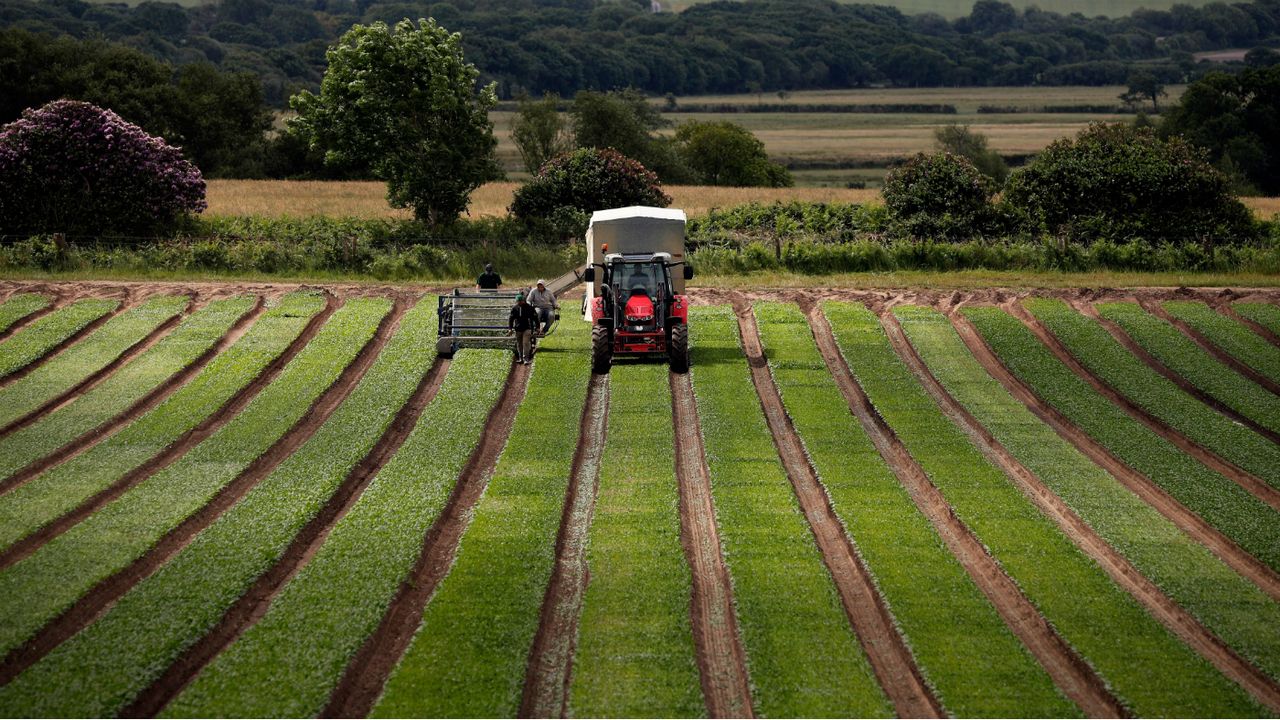
A lot of producers have started or are going to begin harvesting row crops soon. This year, farmers are dealing with one of the largest weather-related corn crop losses since 2015.
Agronomist Paul Subart from Elite Ag Solutions talks about why wind damage and drought have caused crop reductions.
“Due to the drought that we had earlier this season, corn development struggled, and as cob development went through nutrients from plants,” said Subart.
Subart said if you get some rain later on, and you have good recent rainfall, the cobs are too heavy, and it’s just too much for the shank to handle. The shank is what connects the cob to the stock, and that’s what becomes brittle and compromised during cob drop.
“Right, so, this field, in particular, came out to be about 50% cob drop. So, 125-acre yield at 60 bushels left on the ground,” said Subart.
Subart says that is a loss of close to $400 an acre at the current market value, and certain corn varieties will be at greater risk.
“It’s relatively unrecoverable. This will probably be bailed or grazed, but that doesn’t put money back in the producer’s pocket,” said Subart.
Corn is being harvested earlier this year partially because it’s drier than usual with the drought, which has also increased the amount of cob drop.
“It’s okay to stop combined gains to go take some corn off, if it’s below 20 moisture; as I said, your risk goes up quite quickly. So, go up and check your fields,” said Subart.
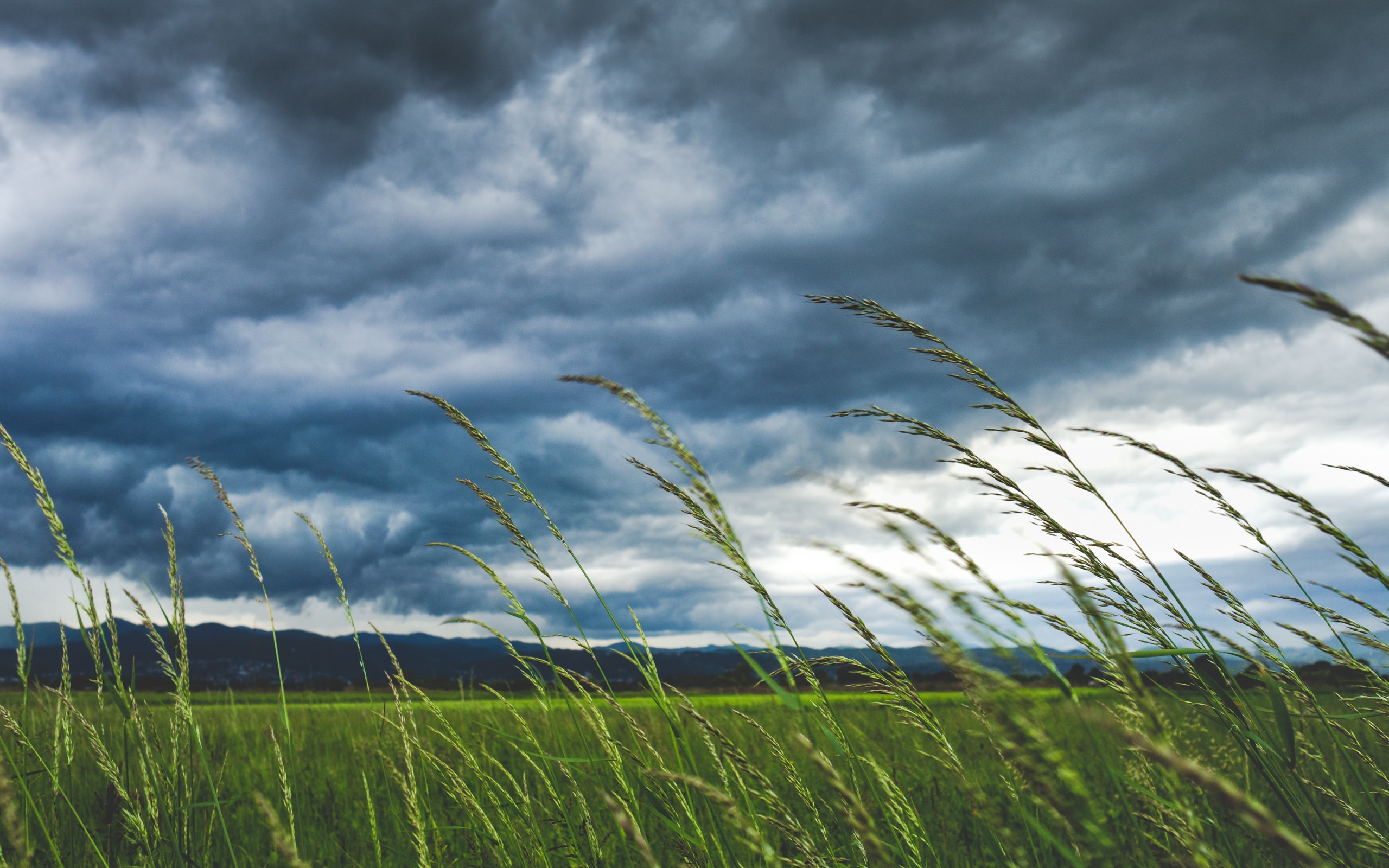
North of Steele and the western part of the state were hit hard by high winds last week, causing significant losses.
Source - https://www.kfyrtv.com