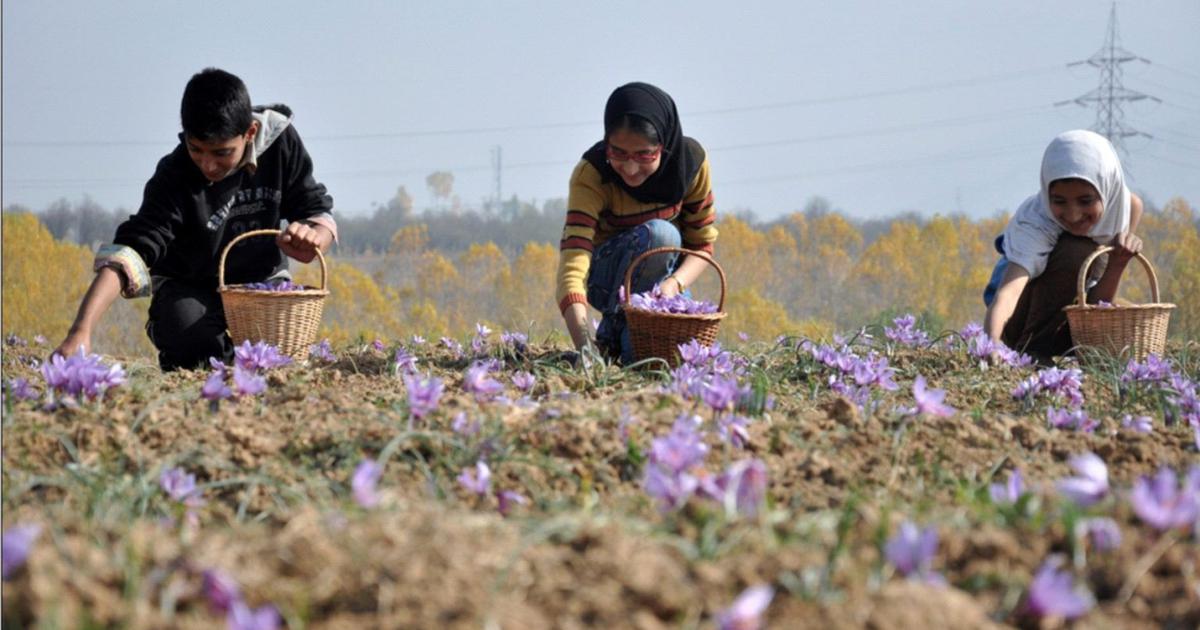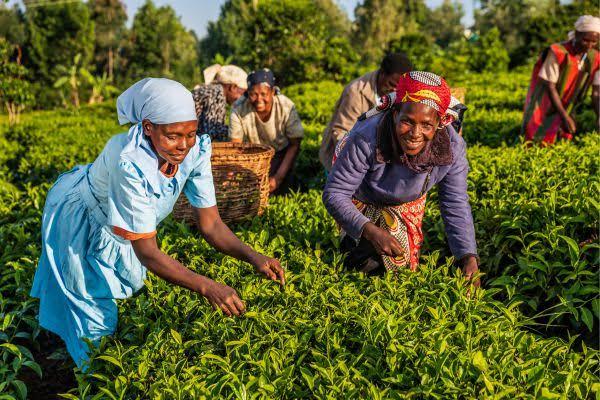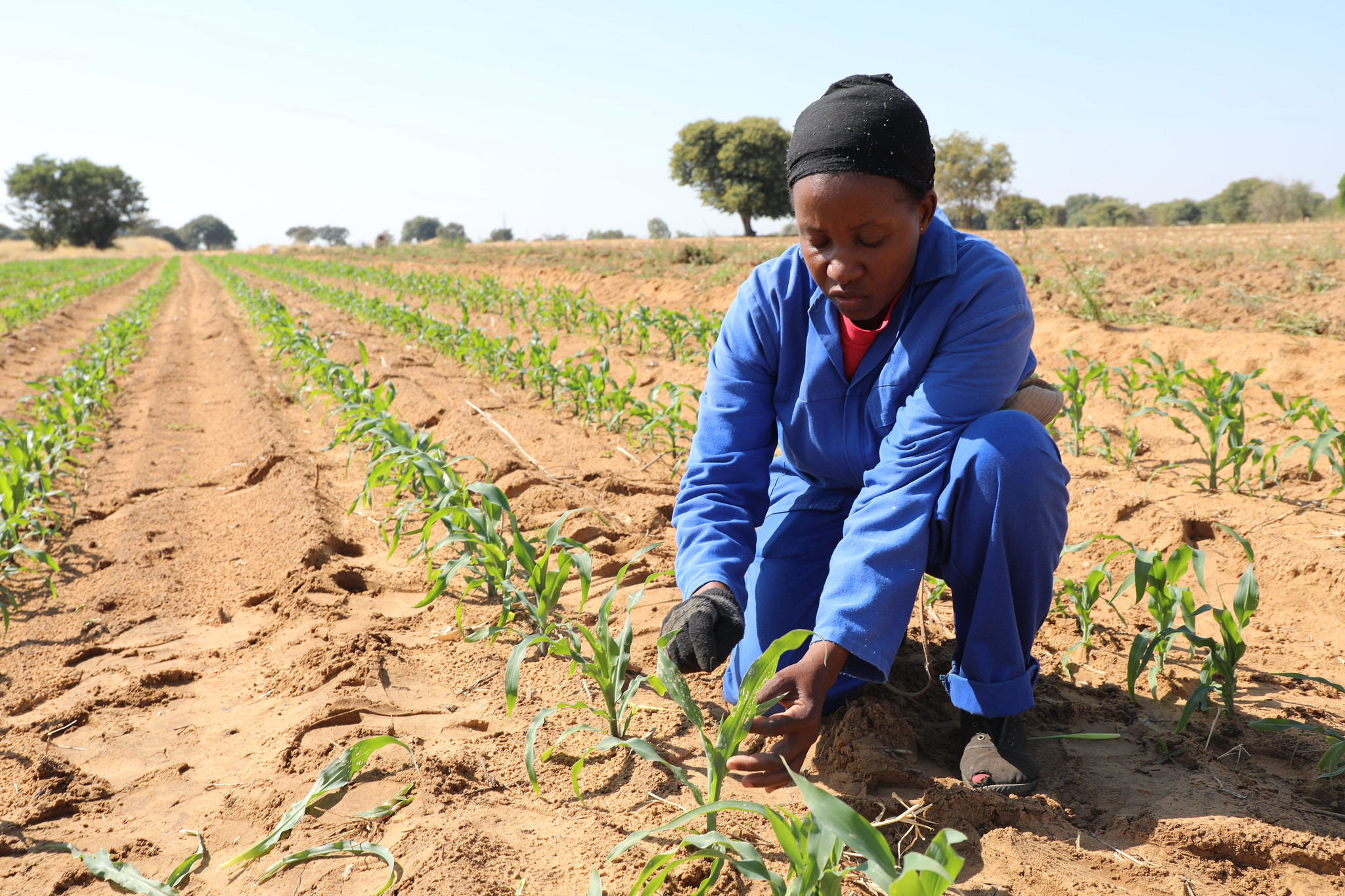
At Charleston Power Family Garden in South St. Louis, Kelsey Power tends to her fruit trees, garlic plants and herbs. The 6,000-square-foot lot takes up just a city lot, but it’s a prime example of urban farming helping bring more local food to the community.
“We’ve got a couple of rows of fruit trees here,” Power explains, walking through the family-run urban farm. “When I think of a farm, I think of a small operation. But that’s really not what farming is in our country these days,” she said.
Across the United States, there are more than two million farmers, ranging from very small like Power’s farm, to slightly larger farms like Eckert’s in Belleville to the much larger scale operations.
But all of them face a common threat.
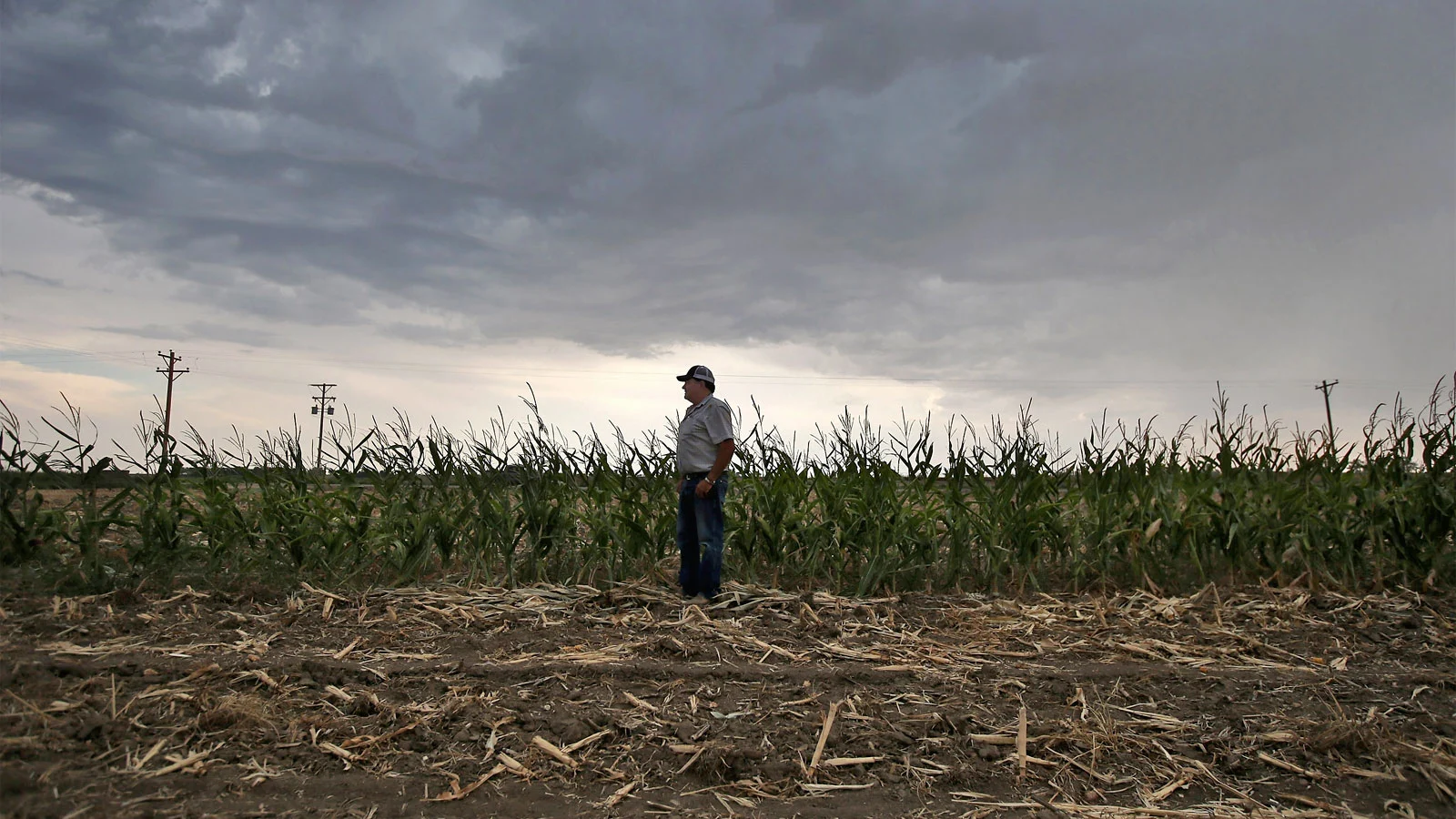
“We are at the whims of Mother Nature,” said Chris Eckert, of Eckert’s Farm.
At Eckert’s, a portion of their peach orchard is cut down, branches scattered about the ground, the loss is still not fully known. It was all because of the extreme freeze this past winter.
“Right before Christmas, we had that cold spell and it did a lot of damage to our peach buds,” he said. They’ll still have plenty of peaches this season, but it will impact some of their wholesale and their bottom line.
“If there wasn’t some kind of insurance program to protect us in these years where we lose some or all of that crop it would be economically impossible to raise these types of crops,” said Eckert.
But not all farms have the same access to crop insurance.
“The majority of the safety net inside the Farm Bill only supports those large-scale farms,” said Melissa Vatterott with Missouri Coalition for the Environment. Vatterott is one of many lobbying to change that and increase accessibility for crop insurance for all farmers.
This year, Congress must pass a new Farm Bill.
“The farm bill is the largest piece of legislation that the federal government passes to impact our food system,” Vatterott explained.
The bill must be renewed every five years, and while it impacts farmers, it also impacts your wallet at the grocery store and farmer’s market.
“The more we produce on a small scale, locally, the more we can drive that cost down,” said Power.
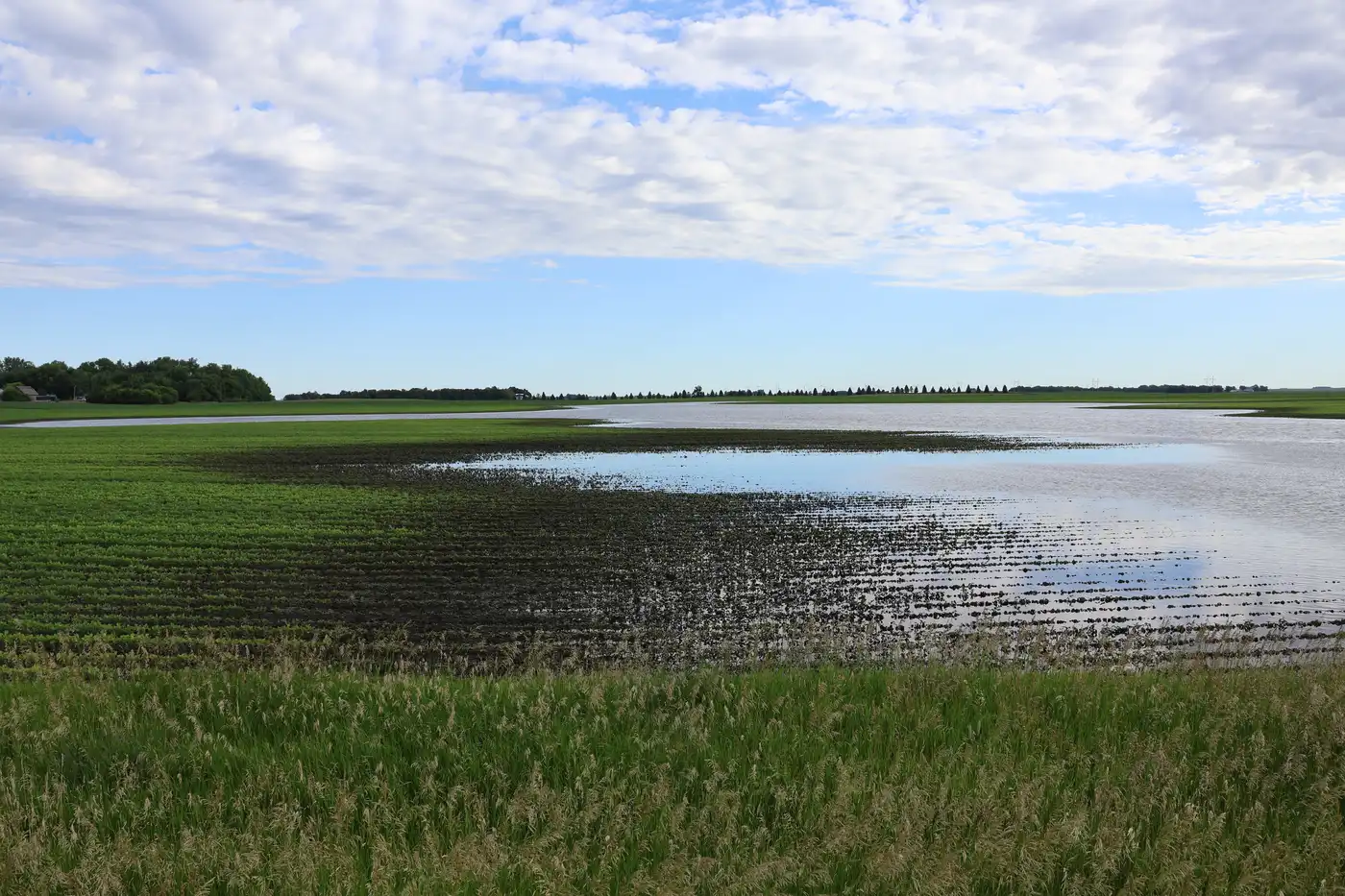
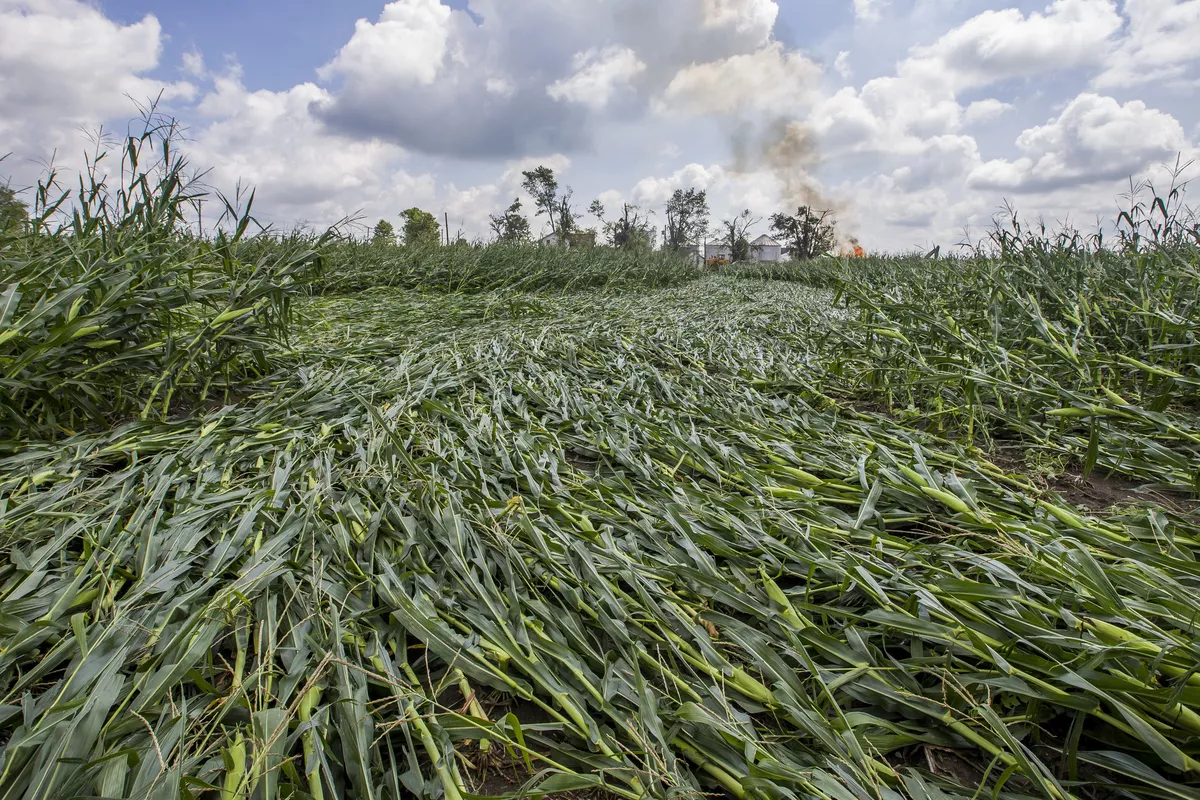
But extreme weather like recent tornadoes, drought and flooding makes it harder every year.
“If we don’t see more support and things are getting harder and harder because of climate change, it’s hard to know how long we will be able to do this line of work,” said Power.
“Most farm bill programs expire September 30, 2023, so the time crunch Congress faces is 100% the biggest hurdle. It is important that this is a bipartisan piece of legislation,” said a spokesperson for Congressman Mark Alford, MO-04.
Congressman Mark Alford is on the Agriculture Committee and is helping craft what goes into this massive bill. His office says lawmakers are listening to farmers and ranchers to determine what’s important to them.
Source - https://www.kake.com