One does not need to be a weather scientist to know that New England has been subject to unusual and inconsistent weather for this part of the country this year.
To many the weather, marked most notably by heavy, persistent rain, may seem a welcome change in 2023 after 2022 saw the worst drought the region had experienced in years.
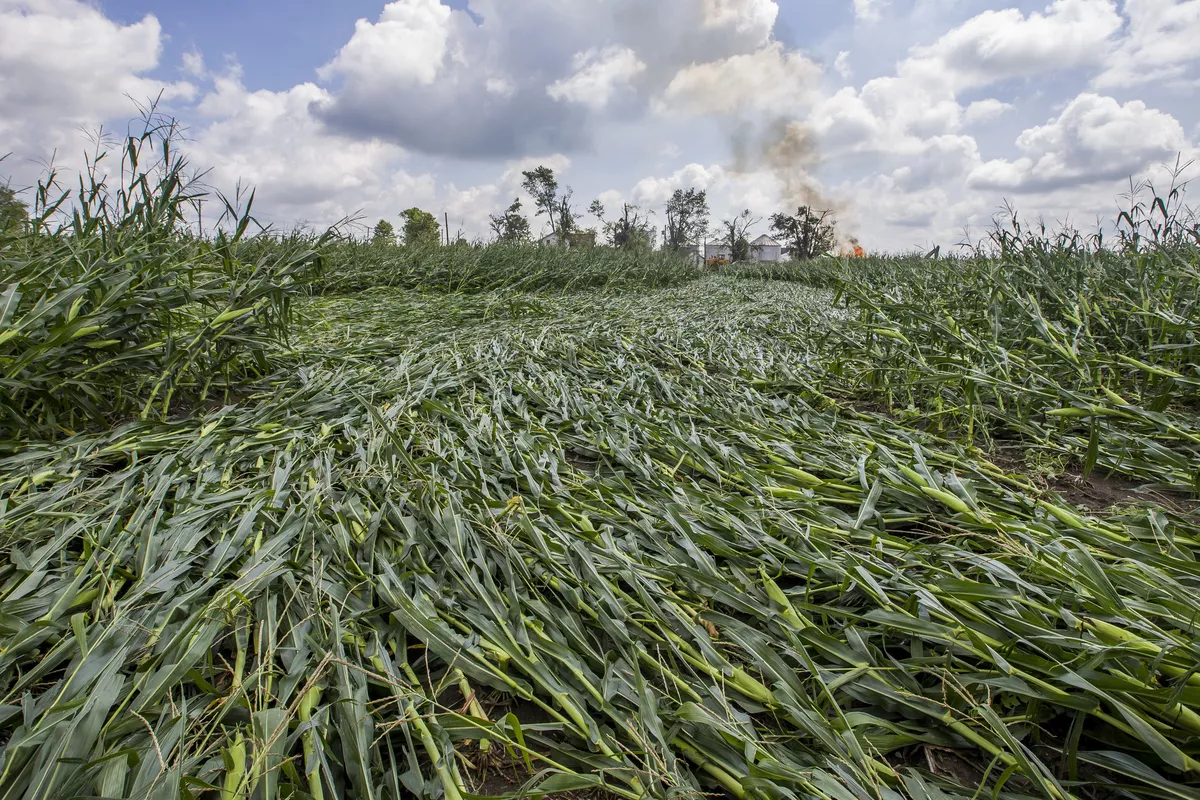
For local farmers, who are of course always in need of water for their crops, the rain and inconsistent weather posed unique challenges this year, and in many cases resulted in the significant loss of some crops.
Dave Dumaresq runs Farmer Dave’s in Dracut, Tewksbury and Westford, with fields totaling about 100 acres across all three growing sites. For his farm, “whiplash” was the best way he could describe the experience of growing food this year.
“Last year was our worst drought in about 20 years, and that drought continued well into this spring,” Dumaresq said Thursday.
Dumaresq and his more than 80 employees prepared for this year’s planting seasons as if 2023 was going to be another drought, and they began irrigating certain crops in April and May to get them to germinate. Then the rains arrived in bulk.
“There has been whiplash, total extremes from last year to this year,” said Dumaresq.
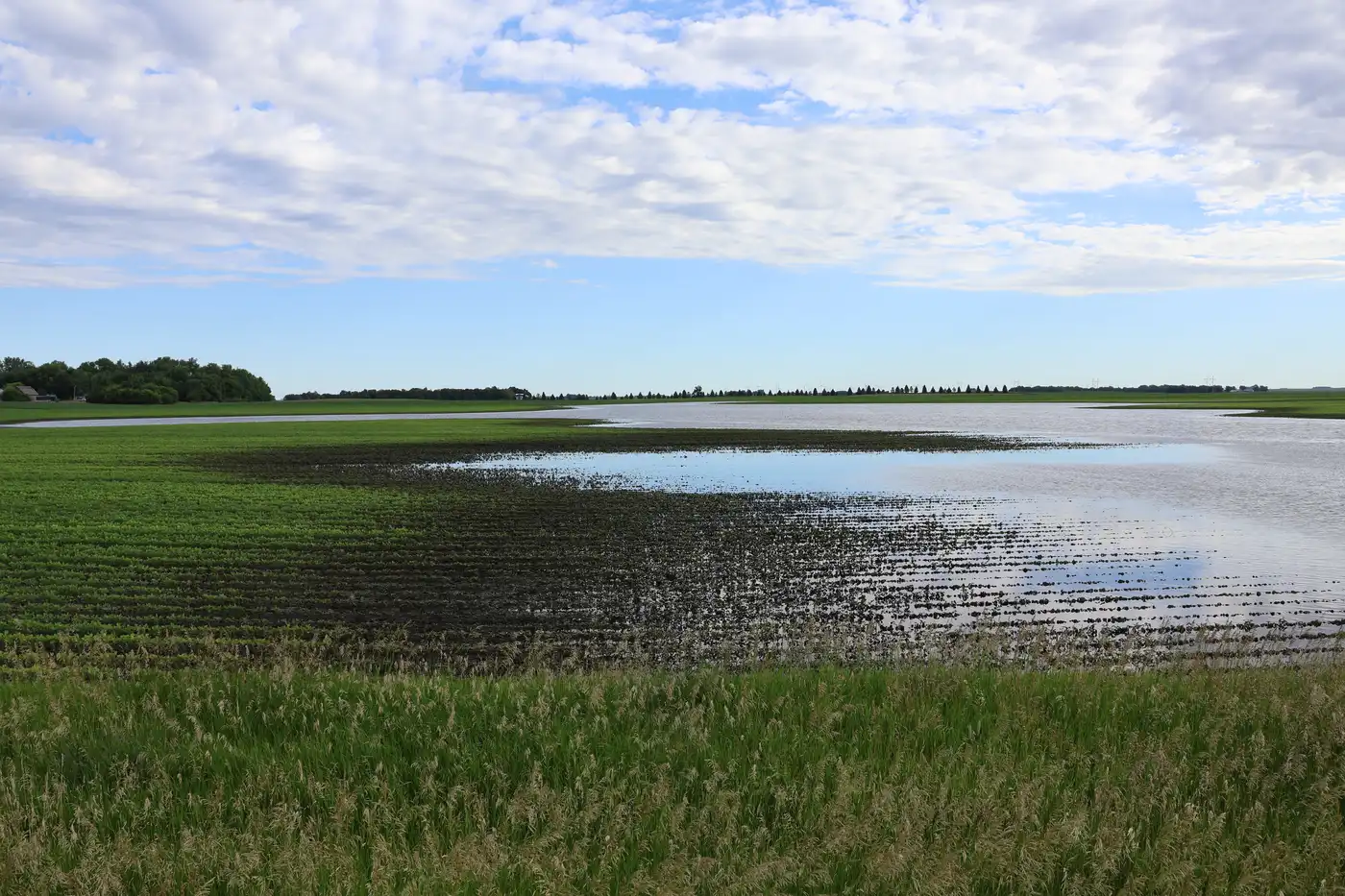
The soil in his farms ended up being the main saving grace, due to their sandy composition that makes it easier for water to drain. But Dumaresq — like other farmers in New England — still experiences crop loss due to the excess water. In some lower lying parts of his fields, particularly among his rows of potatoes, Dumaresq is faced with crops that have simply been drowned. In just one potato field in Dracut, Dumaresq estimated that he will lose about 30,000 pounds of yield from the crops and land area lost due to pooling water.
“We have these low spots where we lose corn and we lose potatoes because it all pools up,” said Dumaresq. “And in general we were a little delayed on some of our harvests due to the cooler, cloudy weather.”
A mitigating factor for Dumaresq and other farmers is to diversify. One can do that, he said, by having a large variety of crop types and having diverse compositions of land.
That diversification didn’t help a lot of farmers in New England this year, however, when it came to some kinds of fruits.
“You will not find a peach in Massachusetts this year,” said Dumaresq.
In addition to vegetables, Farmer Dave’s is also home to various fruit trees like apples and peaches. Many such orchards were wiped of their fruit yield this year, but it had nothing to do with the rain. In early February and again in mid-May, there were two nights where the temperatures reached unseasonable lows, which killed off most peaches and many apples when the fruits were still young, leaving the region basically without local peaches for the year.
“It took us a little while to emotionally get past it,” said Ed Herdiech, who owns Autumn Hills Orchard in Groton with his wife, Kim Herdiech.
Autumn Hills Orchard lost their entire crop of stone fruit, peaches, nectarines, plums and apricots during the early February deep freeze, Ed Herdiech said, and they were lucky enough to not lose the rest in May. Thanks to the fact that their apple trees and other fruits are up a hill from the rest of the orchard, the temperatures stayed just high enough to prevent damage from the cold, which would have likely killed those fruits as well if they were at a lower elevation.
The trees that have survived the bitter cold and inconsistent heat, Herdiech said, actually have benefitted from the high rainfall the region has seen.
“Besides making it a little soggy around the orchard, it has benefited our business,” said Herdiech. “Unlike last year, when it never rained.”
In Leominster, Gove Farm owner Paul Gove said that there is always expected to be variation in the amount of rain and type of weather seen by a region from year to year.
“Maybe not quite this extreme,” Gove said Thursday.
Like the others, Gove lost his entire 700-tree peach crop in February, and the rain has been a constant barrier to planting in his fields.
“The rain has affected us both in yield and just being able to get onto the field,” said Gove. “I have corn fields, which are the wettest fields right now, and we haven’t put a tractor on it since we got one stuck in the mud in June.”
Of the 48 batches of corn that were planted at Gove Farm this year, Gove said at least half a dozen have been lost because the rain prevented them from properly taking care of the plants.
“We are battling more weed pressure because we can’t get on the field with herbicides,” said Gove.
Gove said that he feels as though the climate is changing, as climate and weather are something people like him need to pay attention to, if for no other reason than because it is integral to their business. He said he did not feel qualified to take a position on whether the changing climate is something caused by humanity, or if it is part of natural, long-term weather cycles.
“But it is changing,” said Gove.
The impact of unusual weather in farming can also extend beyond the availability of certain fruits and vegetables on the grocery shelves. Warren Shaw, owner of Shaw Farm in Dracut and president of the Massachusetts Farm Bureau Federation, said that the heavy rains have had a great impact on his ability to feed his dairy cows.
“It has probably been the most devastating weather we have had consistently of my entire lifetime,” Shaw said Thursday.
Things could certainly be much worse, Shaw said. In places like Western Massachusetts and Vermont, flooding devastated local farms this year in a part of the region with a far higher farm density than Eastern Massachusetts.
“It has cost the industry millions, no question about it,” said Shaw.
Still, the consistent rain has had its impact on this side of New England. Shaw said that because of the amount of rain, one cannot get onto farmland to plant and work the soil at the times one should to maximize their crops.
“When growing crops for cows, they have a certain timeline when they have to be harvested or they lose their nutritional value,” said Shaw.
The reality of the situation, Shaw said, is that the climate is changing, and it is already at the point of affecting our ability to grow food.
“Whether you believe that is a natural change of weather patterns, or is caused by humans, isn’t as important as it is that this is climate change, and it is not going to go away,” said Shaw.
Source - https://www.lowellsun.com